
Tamilnadu Economy

Abysmal foundational learning in TN primary schools

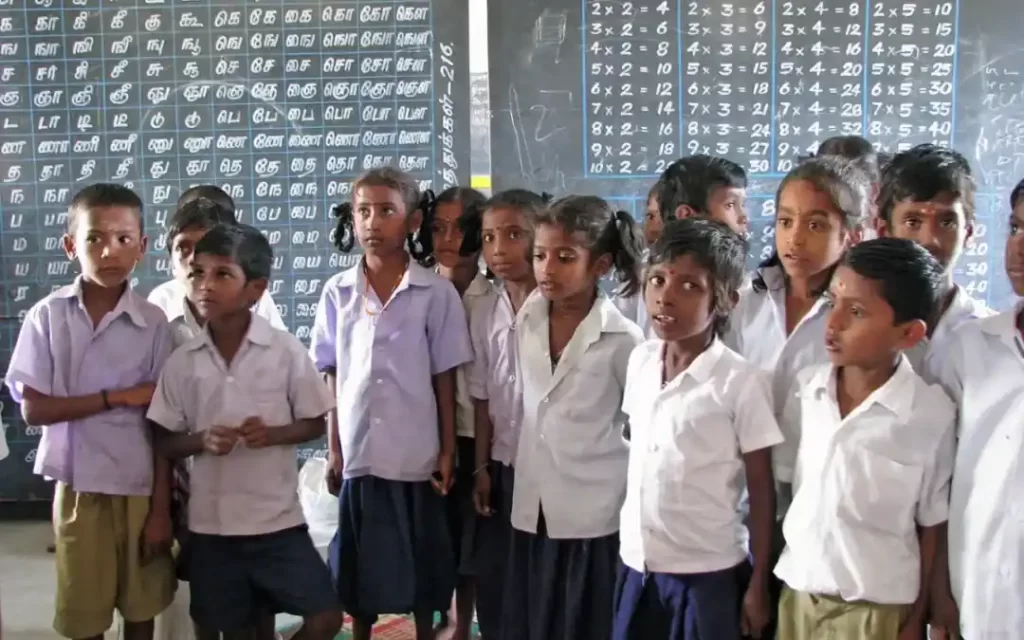
Abysmal foundational learning in TN primary schools Abysmal foundational learning in TN primary schools Chandrasekaran Balakrishnan March 1, 2023 Tamilnadu Economy                                                                                     Read in : தமிழ் Tamil Nadu has been known for its model of social development, especially with regard to access to primary health care and high enrolment of students in schools. However, the quality of school education, when measured by foundational learning outcomes, especially in primary schools in Tamil Nadu, is found to be woefully inadequate. The main handicap has been the government’s focus on school education from an “input” model  — building infrastructure and fixing hardware to aid learning — rather than an “outcome” based model. An outcome-based model would require that teachers’ training be improved, applied teaching methods with creative activities be implemented and so on. The issue has become structural and institutional now, not just in Tamil Nadu but in the entire country. Several studies have illustrated the seriousness of the learning challenges in India. The World Bank report on the State of Global Learning Poverty: 2022 stated that in India, between 2017 and 2021, average language scores for Class 5 students on the national assessment had declined to 309 from 319, and average mathematics scores declined to 284 from 310. The decline is about 10% for maths scores. Though the poor performance of children in primary schools in recent years has been blamed on the outbreak of the Covid pandemic, the fact is that for decades independent educationists and public policy experts have been urging governments to focus on improving the quality of foundational learning for children. Fortunately, now, governments are concerned and have launched programmes to improve the foundational learning. In 2021, the Union Ministry of Education launched the “National Initiative for Proficiency in Reading with Understanding and Numeracy (NIPUN)” to ensure that every child in the country necessarily attains foundational literacy and numeracy when they complete Class 3, by the year 2027. Similarly, the Tamil Nadu government also launched the “Ennum Ezhuthum” scheme in June 2022 on a mission to improve literacy and numeracy by up to 8 years by 2025. The schemes of the union government and the Tamil Nadu government are similar in nature. The current status of the foundational learning of literacy and numeracy of primary school children in Tamil Nadu has been revealed in three studies to be abysmal. The findings may have surprised many, but in reality this has been the trend for a long time. As part of the outcome assessment of the NIPUN programme, the Foundational Learning Study (FLS) 2022 was conducted by the National Council of Educational Research and Training (NCERT) across the country in March 2022. Of the 86,000 students who participated, 2,937 students from 336 schools are from Tamil Nadu. Tiruchirappalli district is one of the top ten low-performing districts in the country. Also Read: Why TN kids have poor basic learning skills as per ASER The FLS study revealed that about 50% of Class III students in Tamil Nadu cannot read Tamil correctly and that only 20% had the minimum proficiency in understanding Class III-level Tamil text. Tamil Nadu’s performance is also the lowest compared to the performance of children in Malayalam, Telugu, and Kannada languages. The NCERT study also found that in numeracy learning, only 23% of students from Tamil Nadu had the minimum proficiency of identifying and reading numbers, addition, and subtraction, identifying bigger numbers, and day, date, and month in the calendar. Further, about 52% of students could not even identify the day, date, and month in the calendar. In contrast, more than 40% of Class III students from other southern states have minimum proficiency in numbers. Moreover, primary school students in Tamil Nadu also fared poorly in reading English. Only 29% of students could read more than 35 words in one minute, and 43% of students lacked basic knowledge and skills and were able to read only 0 to 14 words in a minute. Also, most students were not able to complete the most basic grade-level tasks. However, at the national level, only 17% lacked basic knowledge and skills and 54% had a minimum level of proficiency in English. The other study, the State of Foundational Literacy and Numeracy in India report-2022, released by Stanford University’s Institute for Competitiveness, revealed that students in Tamil Nadu studying in Tamil medium showed an abysmal performance, with only 9% of students exceeding global proficiency levels and 48% of students falling below the global level of partially proficient. The global benchmark on proficiency level and partial proficiency level is 51% and 6% respectively. The FLS study revealed that about 50% of Class III students in Tamil Nadu cannot read Tamil correctly and that only 20% had the minimum proficiency in understanding Class III-level Tamil text. Tamil Nadu’s performance is also the lowest compared to the performance of children in Malayalam, Telugu, and Kannada languages. A 2021 study by the Institute for Competitiveness revealed that out of 40 indicators selected for assessment of school education on five important themes such as school infrastructure, access to education, basic health, learning outcomes, and governance, in 32 indicators (80%) Tamil Nadu ranked as underperforming. Tamil Nadu was found to be overperforming only on 6 indicators (15%), and performing within the expected range only on two indicators (5%). In the 2022 study, out of 39 performance indicators — the most greatly improved — Tamil Nadu was overperforming on 15 of them (38%), performing within range on 23 of them (59%) and underperforming only on one of the indicators(3%). According to the Annual Status of Education Report, (ASER 2022) survey, Tamil Nadu was among the States with the lowest reading levels (4.8%) in primary school education. For basic arithmetic learning, only 11.2% of the children surveyed in Class

Abysmal foundational learning in TN primary schools Read More »

How Abdul Kalam project can help TN stop the stink of rapid urbanisation

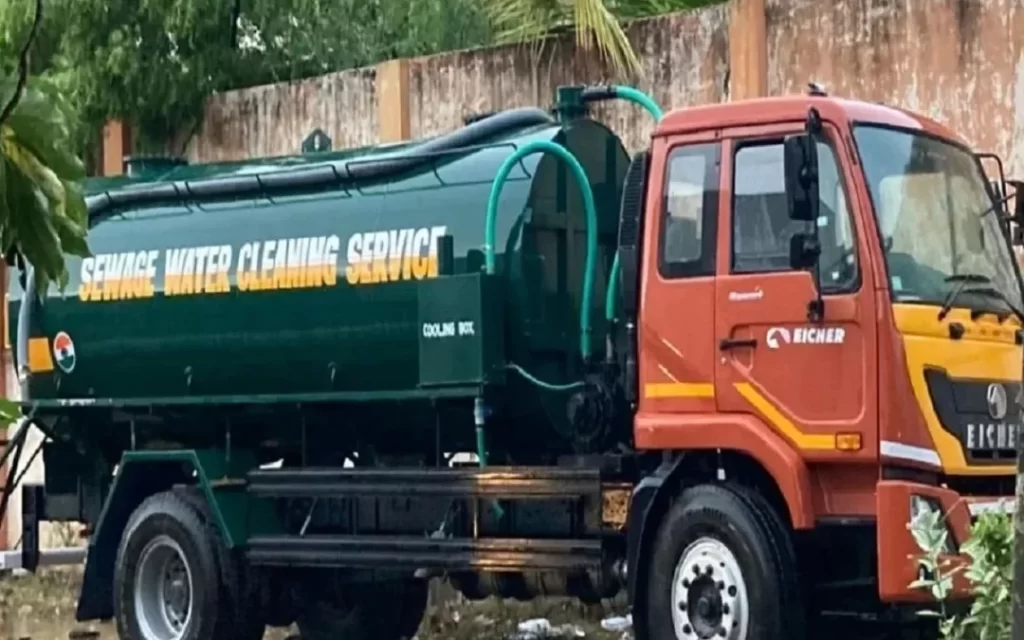
How Abdul Kalam project can help TN stop the stink of rapid urbanisation How Abdul Kalam project can help TN stop the stink of rapid urbanisation Chandrasekaran Balakrishnan February 20, 2023 Tamilnadu Economy                                                                                       Read in : தமிழ் During the last few years, the aftermath of the northeast monsoon has left several parts of Tamil Nadu waterlogged, effectively evicting lakhs of poor people from their homes, forcing them to move out, desperately seeking assistance from the governments and other agencies. Ironically, Tamil Nadu has a rich heritage in water conservation systems that have served as models all over the world. Stream or river-fed storage structures, sometimes built in a series, with overflow from one becoming the inflow for subsequent ones were created and nurtured by local communities. These structures are called ‘system tanks’ in Tamil Nadu and have been used since ancient times. Over the years, specially post Independence, Tamil Nadu has emerged as the state with the highest level of urbanisation, with about 54% of the people living in urban areas.  However, these areas lack adequate basic civil infrastructure and services. Recognising this demographic shift, Tamil Nadu was the first state to have a State Water Policy as early as 1994, and regulatory bodies like the Tamil Nadu Water Supply and Drainage Board (TWAD) /Chennai Metropolitan Water Supply and Sewerage Board (CMWSSB) for efficient water resource management. However, the policy focus of governments, regulatory authorities, public representatives, and other stakeholders apart from the public was diluted steadily over a period eroding the ownership, responsibilities, and accountability of local communities at all levels.  While technologies implemented for the treatment of wastewater have become obsolete, policies continue to push outdated, inefficient techniques and methods for wastewater treatment. Tamil Nadu has emerged as the state with the highest level of urbanisation, with about 54% of the people living in urban areas.  However, these areas lack adequate basic civil infrastructure and services. Inadequate treatment According to the Central Pollution Control Board (CPCB) Report on “National Inventory of Sewage Treatment Plants -2021”, in Tamil Nadu, a total of 6,421 MLD of sewage wastewater is generated every day. The total installed capacity for treatment of such sewage is just 1,492 MLD (23.23%), a gap of 4,929 MLD (76.77%). Further, only 995 MLD or 15% of sewage wastewater is actually treated through Sewage Treatment Plants (STPs) which are operated using outdated technologies and thus generate harmful rejects in the processing system in the form of sludge. At the national level, only 28% of sewage wastewater is treated in India. According to the Swachhta Status Report 2016, in Tamil Nadu,3% of villages dispose of sewage wastewater in open areas, 23.4% of villages dispose of sewage into ponds, 18% in open drains (odais/streams), 7.3% in rivers, 4.6% other modes. The national level situation is much worse; in India, 44.4% of sewage is disposed in open areas, 15.8% in ponds, 24% in nala or drains, 6.8% in rivers, and 9% via other modes, In an industrialised and urbanised state like Tamil Nadu, without a scientific disposal system, the sewage and wastewater from conventional septic tanks are let out into open drains, roads, open grounds, leading to contamination of groundwater, rivers, and streams, resulting in poor sanitation,  pollution, and deadly diseases like diarrhoea, cholera, typhoid, and rotavirus. Also Read: Legacy of delays hampers biomining, reclamation of waste dumps The governance eco-system in Tamil Nadu gets some policies right at times with voices of different stakeholders like NGOs, village panchayats, academic institutions, etc. Tamil Nadu was the first state to have a comprehensive policy of Tamil Nadu Septage Management Operative Guidelines, 2014 in the country. Further, taking the salient features of the “National Policy on Faecal Sludge and Septage Management (FSSM)-2017” of the Union Ministry of Urban Development, Government of India, the Department of Municipal Administration and Water Supply, Tamil Nadu issued a new “Operative Guidelines for Septage Management for Local Bodies in Tamil Nadu-2020” with penalties for violation of Bye-laws for letting out sewage wastewater without proper scientific system. According to the NITI Aayog’s Report on the “Faecal Sludge and Septage Management in Urban Areas: Service and Business models-2021”: In urban areas of Tamil Nadu, about 70% of households depend on various types of on-site sanitation systems (OSS) like septic tanks and pits (NSSO Survey Report, 2017) The NSSO Survey found that in Tamil Nadu most of the existing OSSs are constructed following non-standard or outdated practices. Further, the NITI Aayog report highlighted that the OSS system in Tamil Nadu has several issues like non-standard construction, operation, and maintenance, non-adherence to standards due to limitations of space and budget, design standards not updated to meet current needs, and institutional challenges. Unchecked disposal Tamil Nadu has over 9,000 private desludging operators (Sewage/septage tanker lorries) to service the septic tanks prevalent in its urban areas. However, there are no rule/guidelines on how and where this waste water is disposed off; no one knows where these operators dump the sewage. One solution to this rampant pollution is for local bodies to fix GPS trackers on every tanker to monitor the transportation and disposal of sewage. The Department of Municipal Administration & Water Supply (MA.3), of Tamil Nadu had issued a G.O (MS) No.106 dated 01.09.2014 to all local bodies for implementation of “Septage Management- Operative Guidelines for Septage Management for Urban and Rural Local Bodies in Tamil Nadu-2014”.This was followed up by new and revised Guidelines issued in 2020, providing directions for all local bodies and administrations (like city corporations, municipalities, and town panchayats) to undertake investigations and levy penalties on owners, occupiers or operators violating the guidelines. The local body authority is empowered to take cognizance of any violation and issue a Show Cause Notice and levy a penalty on Owner /

How Abdul Kalam project can help TN stop the stink of rapid urbanisation Read More »

Ongoing-neglect-of-youth-skilling-will-cost-india-heavily

Ongoing neglect of youth skilling will cost India heavily Ongoing neglect of youth skilling will cost India heavily Chandrasekaran Balakrishnan February 15, 2023 Tamilnadu Economy   The Union Budget for the financial year 2023-24 features many growth-oriented aspects that are essential, but it doesn’t create sufficient conditions to maintain high economic growth in the country. The budget hopes to strike a balance between the aspirations of the youth, which are a large segment of the population, and the world economy which is grappling with more geopolitical problems than opportunities. While Finance Minister Nirmala Sitharaman made a sweeping statement about this being the first budget for “Amrit Kaal”, it doesn’t instil confidence as there have been several gaps between the promises of the government and its achievements in the past many years. Particularly, when it comes to youth skilling, the foundations are still weak for it to produce any dividends.In her first address to Parliament, President Droupadi Murmu mentioned “youth” seven times but did not utter “skill” even once. The President mentioned only that youth were a large chunk of the population and had the potential power to enhance the growth of the country. It shows the deep disconnect between the union government’s promises and actions, and how it just ends up being lip service. A slew of initiatives has been announced in the budget for youth skilling, includinga) access to advanced skill training for traditional artisans and craftspeopleb) 150 new nursing colleges for health educationc) Pradhan Mantri Kaushal Vikas Yojana 4.0 to train lakhs of youth within the next three years for international opportunitiesd) 30 Skill India International Centres to be set up across different Statese) a unified Skill India Digital Platform for enabling demand-based formal skilling and linking with employers including MSMEsf) facilitating access to entrepreneurship schemes and sector-specific skilling to achieve objectives of the ‘Dekho Apna Desh’ initiative. However, it would take years for these initiatives to realistically help the youth, whose time and energy are precious for the growth of the nation.It is imperative to build a strong institutional mechanism for youth skilling by integrating mainstream education with skill-building to enable youth to access either productive employment opportunities or undertake self-employment with financial assistance to pursue entrepreneurship in the markets.Millions of students of school-going age who either quit school after class 8 are unable to access hands-on skills training to equip themselves to demand better wages in the markets and are the most vulnerable labour force of the future. Structural institutional initiatives such as National Skill Qualification Framework (NSQF) to bridge the gaps among schools, colleges, and vocational training institutions are yet to reach the ground level. As per latest information (Lok Sabha question answered On 14.03.2022 regarding “Placement in Skill India Mission”), under PMKVY 1.0, a total of 18.04 lakhs persons were enrolled and trained, out of which 13.32 lakhs persons were given skills certificates. However, only 2.53 lakhs persons, or 19% of the trained persons were placed with jobs Weak institutional delivery systems at the national, state, and block or district levels are the cause. Dynamic emerging new technologies and tools if used in institutional delivery mechanisms can help the youth. For instance, under the PMKVY 3.0, a bottom-up approach with District Skill Committees (DSCs) was formed with the task of identifying local demand to strengthen the local skill capability including traditional arts and crafts. But the results largely failed even in a most industrialised state like Tamil Nadu.In 2015, the Skill India Mission was launched to train 400 million youths in various skills but the achievements so far are encouraging. PMKVY 1.0 was implemented during the year 2015-16, PMKVY 2.0 in 2016-2020 and PMKVY 3.0 in 2021-22. The performance is mixed and has not progressed in line with the vision of the 2015 launch. According to the National Skills Development Corporation’s record, as of 6th February 2023, a total of 1.42 crore persons were enrolled, 1.37 persons were trained, 1.24 crore persons were assessed and 1.10 crore persons (77.46%) were issued certificates. As per latest information (Lok Sabha question answered On 14.03.2022 regarding “Placement in Skill India Mission”), under PMKVY 1.0, a total of 18.04 lakh persons were enrolled and trained, out of which 13.32 lakh persons were given skills certificates. However, only 2.53 lakh persons, or 19% of the trained persons were placed with jobs.The placement had improved 52.8% in the PMKVY 2.0, in which a total of 41.08 lakh persons enrolled, out of which 38.11 lakh persons were trained, 31.84 lakh persons were given skill certificates, and only 18.05 lakh persons (52.8%) of them were actually placed in jobs. However, placement of persons under PMKVY 3.0 declined to 20.5%. Under the scheme, a total of 4.98 lakh persons were enrolled, out of which 4.45 lakh persons were trained, 1.72 lakh persons received certificates and only 15,450 people got placement.The huge fluctuations witnessed in all aspects such as enrolment, training, certification, and placements are due to enormous corruption, malpractices, and duplication of enrolling candidates at the training institutional level across the country. For example, the number of skill training institutions taking part in the programmes has declined over the years. There were 12,218 skill training centres under PMKVY 1.0, which reduced to 9,030 during the PMKVY 2.0 and it further fell to 683 during the PMKVY 3.0. Overall, placement of trained youth under different phases of PMKVY was 20.3% in 2015-16, 13.2% in 2016-17, 38.2% in 2017-18, 52.9% in 2019-20, 44.6% in 2020-21 and 70.6% in 2021-22. In the case of Tamil Nadu, placements stood at 37.7% in 2015-16, 44.1% in 2016-17, 56.4% in 2017-18, 82.5% in 2019-20, 42.6% in 2020-21 and 53.4% in 2021-22. There were 12,218 skill training centres under PMKVY 1.0, which declined to 9,030 during the PMKVY 2.0 and it further declined to 683 during the PMKVY 3.0 period Thus, the launch of the PMKVY 4.0 would not really help with youth skilling, as their population is projected to come down. The youth population, aged 24-29 years, is estimated to

Ongoing-neglect-of-youth-skilling-will-cost-india-heavily Read More »

Tn-ranks-high-but-can-do-more-shows-economic-survey

TN ranks high but can do more, shows economic survey TN ranks high but can do more, shows economic survey Chandrasekaran Balakrishnan February 2, 2023 Tamilnadu Economy   The Union Government’s annual economic survey report, which assesses past year’s performance and examines opportunities and challenges in the year ahead, considering the effects of both domestic and international affairs, has been released. In the absence of a State Economic Survey report, which Tamil Nadu Finance Minister PTR Thiagarajan had promised to bring out more than a year-and-a-half ago, the document must be relied upon to see how the state has fared.All major states in India usually bring out a comprehensive Economic Survey Report annually covering all the major sectors’ progress and updates made hitherto along with statistics to back up the findings. Even the most backward states like Bihar, Uttar Pradesh, Rajasthan and West Bengal prepare an annual Economic Survey Report but Tamil Nadu, which is the second largest economy in the country, does not have one.The Union Government’s Economic Survey report provides sectoral analysis and foresight on the development of regional economies with in-depth policy analysis and what ought to be done for the next level of growth and development, but neither the media nor academia tends to take note.The economic survey of 2022-2023 has highlighted Tamil Nadu’s reform of property taxation revision in 2022 to increase the state’s own taxes. It has also mentioned Tamil Nadu’s revision of the state’s power tariffs to rationalise the huge disparity between power production costs and tariffs levied. Regarding major reform initiatives like industrial relations and occupational safety health and working conditions, Tamil Nadu has taken proactive steps to undertake reforms in line with the directions of the Union Government. According to the economic survey, Tamil Nadu has pre-published the draft Rules for the adoption of the Industrial Relations Code, 2020, The Code on Wages, 2019, and the draft Rules for the adoption of the Occupational Safety Health and Working Conditions Code, 2020. However, the state has not pre-published the Code on Social Security, 2020, which all other states have published. Even the most backward states like Bihar, Uttar Pradesh, Rajasthan and West Bengal prepare an annual Economic Survey Report but Tamil Nadu, which is the second largest economy in the country, does not have one As per the latest Annual Survey of Industries 2019-20 referenced by the economic survey, Tamil Nadu state has the largest number of people engaged in factories in the country, 26.6 lakh, followed by Gujarat (20.7 lakh), Maharashtra (20.4 lakh), Uttar Pradesh (11.3 lakh), and Karnataka (10.8 lakh).The age group of 18-25 years makes up the largest share in the payroll (EPFO) of companies in the organised sector. States with the largest number of workers enrolled with EPFO are Maharashtra (21.4%), Karnataka (12.1%), Tamil Nadu (10.9%), Haryana (9.0%), Gujarat (8.4%), and Delhi (7.6%). These six states account for about 70% of those on the payroll in EPFO.On health care development, Tamil Nadu is one of the leading states to have already achieved the targets of the UN’s Sustainable Development Goals Indicators such as Maternal Mortality Ratio below 100 per one lakh live births by 2020. Eight states have already achieved the SDG target to reduce MMR to less than 70 per one lakh live births by 2030. These include Kerala (19), Maharashtra (33), Telangana (43) Andhra Pradesh (45), Tamil Nadu (54), Jharkhand (56), Gujarat (57), and Karnataka (69). Considering the performance of states like Kerala and Maharashtra, Tamil Nadu has scope for substantial improvement. Tamil Nadu is one of eight leading States in the country, including Andhra Pradesh, Chhattisgarh, Kerala, Himachal Pradesh, Jharkhand, Odisha, and Madhya Pradesh which contributes to natural or organic farming through champion farmers under the Bhartiya Prakratik Krishi Paddhati, a sub-scheme of Paramparagat Krishi Vikas Yojana. It accounts for 4.09 lakh hectares of land brought under natural farming. The promotion of natural farming began in 2019-20, to assist farmers in adopting traditional indigenous practices for encouraging all forms of ecological farming, including Zero-Budget Natural Farming.The Pradhan Mantri Fasal Bima Yojana is the largest crop insurance scheme in the world in terms of farmer enrolments, averaging 5.5 crore applications every year and the 3rd largest in terms of premiums received. States receiving more than 100% of claims in the country include Chhattisgarh (2017), Odisha (2017), Tamil Nadu (2018), and Jharkhand (2019) at 384%, 222%, 163%, and 159% of claims ratio against gross premium respectively. With regards to the cooperative sector, Tamil Nadu is 4th highest with 126 Multi-State Cooperative Societies. Maharashtra leads with 661 cooperatives, followed by Delhi (159) and Uttar Pradesh (156). The Multi-State Cooperative Societies Act, 2002 was enacted after repealing the Multi-State Cooperative Act 1984, to facilitate the democratic functioning and autonomous working of the societies in line with the established cooperative principles. On healthcare development, Tamil Nadu is one of the leading states to have already achieved the targets of the UN’s Sustainable Development Goals Indicators such as Maternal Mortality Ratio below 100 per one lakh live births by 2020 On Logistics Ease Across Different States, Tamil Nadu ranked second in 2022 after Uttar Pradesh with a percentage score of 90% and more. This rank assesses key areas of logistics including infrastructure, services timelines, traceability, competitiveness, security, operating environments, and efficiency of regulation.There has been massive growth in telecommunication across the country. The total telephone subscriber base in India stands at 117 crores (as of November 2022). While more than 97% of total subscribers are connected wirelessly (114.3 crores at the end of November 2022), 83.7 crores have internet connections as of June, 2022. The overall teledensity in India stood at 84.8%, with wide differences across states. It ranged from 55.4% in Bihar to 270.6% in Delhi. Eight licence service areas including Tamil Nadu, had a teledensity of above 100% besides Delhi, Mumbai, Kolkata, Himachal Pradesh, Kerala, Punjab, and Karnataka. Tamil Nadu has reduced the rural-urban digital divide as digital services have penetrated to rural areas including remote places. The Chapter on

Tn-ranks-high-but-can-do-more-shows-economic-survey Read More »

Tamil Nadu losing out by not nurturing startup ecosystem

Tamil Nadu losing out by not nurturing startup ecosystem Tamil Nadu losing out by not nurturing startup ecosystem Chandrasekaran Balakrishnan January 3, 2023 Tamilnadu Economy                                                                                   Read in : தமிழ் amil Nadu is known for its highly-skilled manpower in the information and communication technology sector produced by several institutions of technological excellence. According to Tamil Nadu Industrial Policy 2021, the state’s “talent pool adds over a million graduates every year and has the largest annual turnout of skilled workforce in India” catering to various sectors across the world. The state also has over 70 Fortune 500 companies. And yet its startup ecosystem remains in a fledgling state. The new industrial policy supersedes the Tamil Nadu Industrial Policy 2014 and will be effective up to 2025. The state has been known for its “self-sustained and self-propelled industrial growth process” for a very long time. Tamil Nadu’s manufacturing share in the regional economy is double that of the national economy. This showcases the dynamic diversification that the sector has undergone in Tamil Nadu, which is the second-largest regional economy in the country after Maharashtra, though Uttar Pradesh is fast catching up. Tamil Nadu startup and Innovation Mission (TANSIM) has set an ambitious target to establish approximately 10,000 startups in Tamil Nadu by 2026. Alas, the performance achieved so far is way behind the target of its own policy, as well in comparison with other states New startups bring new investment for higher economic growth. At present, Maharashtra with a USD 350-billion economy is the largest regional economy, Tamil Nadu follows at USD 230 billion and UP a close third with USD 210 billion. The difference between TN and UP is a mere USD 20 billion. If Tamil Nadu does not give due importance to nurturing its startup sector, its performance will suffer and UP could end up snatching the spot of the second largest regional economy in the country. In fact, Karnataka and Gujarat too, which have been improving their startup infrastructure, and thus expanding their economy, are also vying for the number 2 spot. Startup India, a flagship initiative launched in 2015 by the Government of India aims “to catalyse startup culture and build a strong and inclusive ecosystem for innovation and entrepreneurship in India”. This initiative is a boon for millennials to test their skills at becoming successful entrepreneurs who can potentially provide jobs to millions of people. Also Read: Who can invest in startups? In order to utilise the talent pool of the state, Tamil Nadu Startup and Innovation Policy 2018-2023 aims to provide “an enabling, innovative ecosystem in the state”. The state startup policy aims to: Encourage, facilitate and support the emergence of at least 5,000 technology startups in the State. Collaborate with educational institutions to promote entrepreneurship among the youth. Partner with reputed investors across India and the Globe to invest in Tamil Nadu startups. Provide adequate incentives and resources to startups, facilitators, mentors, and investors to promote startup culture in the State Tamil Nadu startup and Innovation Mission (TANSIM) has set an ambitious target to establish approximately 10,000 startups in Tamil Nadu by 2026. Alas, the performance achieved so far is way behind the target of its own policy, as well in comparison with other states. As the startup ecosystem did not improve for many years even after the announcement of the state policy, none of the key objectives mentioned were achieved.   The state’s apex institution for anchoring the startup ecosystem is the Entrepreneurship Development and Innovation Institute of Tamil Nadu (EDII-TN), an autonomous institution under the Ministry of MSMEs that was established two decades ago in 2001. It did not take adequate proactive steps to build partnerships with industries, successful entrepreneurs, and industry chambers. One of the systemic fault lines observed in the state is the structure of higher education institutions, which “has limited the scope for self-employment or being an entrepreneur. Many youth expect to get government jobs and salaried jobs” (Tamil Nadu State Youth Policy, 2014). Thus, the aptitude towards innovation, out-of-the-box thinking, raising of self-esteem, risk-taking and urge for awareness about entrepreneurial ventures, etc., are still not a focus in the learning processes. There is hardly any correlation between startups and industrialisation and urbanisation in Tamil Nadu. The startup initiatives should ideally provide ideas for large-scale industrialisation and urbanisation, networking of businesses with best practices, access to finance, etc., but it’s not so. It is strange that Tamil Nadu’s startup ecosystem governance is getting worse compared to other leading states in the country. As on November 30, 2022, there are 84,012 recognised startups in India since Startup India was launched in 2015.  TANSIM has been set up with a slew of incentives which include seed funds, grants, equity, tax exemptions, etc., for youngsters starting new entrepreneurial ventures in the state. The total fund allocated by the Union Government for startups in Tamil Nadu was Rs 450 crore. Out of Rs 34 crore provided, only Rs 18.70 crore was utilised as on November 30, 2022. It is interesting to see the startup initiatives among major states. Till November 30, 2022, the total number of startups created in Tamil Nadu was only 4,704 (6%), which is significantly lower than Maharashtra (15,571 or 19%), Karnataka (9,904 or 12%), Delhi (9,588 or 11%), Uttar Pradesh (7,719 or 9%) and Gujarat (5,877 or 7%). About 64% of startups are located in these six states. At all-India levels, startups have gone up from 452 in 2016 to 5,147 in 2017, 8,689 in 2018, 11,328 in 2019, 14,534 in 2020, 20,089 in 2021, and 23,773 in 2022 up to November. During the same period, the total number of startups in Tamil Nadu was 43 in 2016, 252 in 2017, 448 in 2018, 602 in 2019, 755 in 2020, 1,103 in 2021,

Tamil Nadu losing out by not nurturing startup ecosystem Read More »

TN must fix economy before LS polls, not blame Centre

TN must fix economy before LS polls, not blame Centre TN must fix economy before LS polls, not blame Centre Chandrasekaran Balakrishnan December 29, 2022 Tamilnadu Economy                                                                                  Read in : தமிழ் News stories are floating on social media claiming that Tamil Nadu’s economy is improving ever since the current ruling DMK government assumed power. Also, India Today magazine’s high ranking of Tamil Nadu has further fuelled the story in print and electronic media. However, the overall ranking of any parameters whether it’s social or economic or combined would give a picture that does not necessarily reflect the sector-specific actual ground realities. In fact, Tamil Nadu’s poor financial health continues to daunt the state economy.   Delhi-based public policy think tank PRS has released a report on December, 12, 2022 on the analysis of state finances in India, which is also equally worthy of debate along the India Today rankings. Also, the RBI released its report on municipalities’ finances on November 10, 2022, urging states to reform and streamline the already deteriorating financial health of urban local bodies. Many in public debates underestimate the poor financial health of Tamil Nadu’s economy. Merely reducing some percentages of loan borrowings as compared to the previous year, does not help in any way without addressing critical issues. Massive outstanding payments, liabilities and irrational subsidies of the power sector, several loss-making state-owned enterprises (PSUs), public distribution system leakages, the alarming increase of pension and retirement benefits, and the free transportation for women when the Tamil Nadu transport corporations are already making losses put the health of the state’s economy in a poor condition. Massive outstanding payments, liabilities and irrational subsidies of the power sector, several loss-making state-owned enterprises (PSUs), public distribution system leakages, the alarming increase of pension and retirement benefits, and the free transportation for women when the Tamil Nadu transport corporations are already making losses put the health of the state’s economy in a poor condition   Tamil Nadu’s power sector has a revenue deficit of Rs 4,184.10 crore and fiscal deficit of Rs 18,726.32 crore in the current year, which are foremost indicators of the actual financial health of the state. In Tamil Nadu, the share of own tax revenue has been estimated to have declined to 7.9% in financial year 2021-2022 from 8.8% in 2019-2020. Indeed, Tamil Nadu’s debt is higher than the average of all states with 7.2% GSDP, ranked 3rd among states in India. Alas, in these areas the state government has not undertaken any significant reforms. The state’s outstanding liabilities were 32% of GSDP for 2021-2022. Similarly, outstanding guarantees of the state government were 4.8% of GSDP for 2020-21. State governments guarantee loan borrowings for State Public Sector Enterprises (SPSEs) from financial institutions, as most of them are loss-making and have poor credit ratings. Also Read: ‘Dravidian model created disparities in districts’ growth’ Even before the COVID pandemic struck, Tamil Nadu had faced a revenue deficit continuously from 2015-2016 to 2019-2020. If the state performs poorly in revenue generation, the state would be knocking on the doors for the bailout either from the union government or as loan borrowings from the open market via RBI. Revenue expenditure includes expenditure on salaries, pension, interest, and subsidy. A revenue deficit implies that borrowings of loans are the only way to fund those expenses which do not lead to the creation of assets or reduction of liabilities. The union government provides grants to states for meeting revenue deficits based on the recommendations of the Union Finance Commission. Tamil Nadu had received Rs 2,204 crore as a revenue deficit grant from the union government for the year 2021-2022 but not beyond that. Continuous and affordable clean energy and power distribution are a major backbone on which the modern economy can utilise the full capacity of production and services available in the state. Alas, the power sector in Tamil Nadu has been facing several structural and institutional challenges for decades. The power sector subsidies have been a legacy issue since the 1960s. Now, Tamil Nadu power distribution agencies are the highest loss-making distribution utilities in the country, 7.6% of GSDP among states. Although the state government had taken over the debt of TANGEDCO worth Rs 22,815 crore between 2015-16 and 2016-17 under the UDAY scheme of the union government, TANGEDCO accumulated losses worth Rs 48,491 crore between 2016-17 and 2020-21. The outstanding debt of Tamil Nadu is estimated to be 26.3% of GSDP at the end of the current financial year -2022-23. Even before the COVID pandemic struck, Tamil Nadu had faced a revenue deficit continuously from 2015-2016 to 2019-2020. If the state performs poorly in revenue generation, the state would be knocking on the doors for the bailout either from the union government or as loan borrowings from the open market via RBI The PRS report highlights that in 2021, TANGEDCO took market loans of Rs 30,230 crore, with a guarantee from the government of Tamil Nadu to clear its dues to generators and transmission companies (1.2% of 2022-23 GSDP). The total outstanding guarantee of the Tamil Nadu government was estimated at 4.8% of GSDP as of 2020-21. The state government is estimated to provide Rs 28,589 crore between 2020-21 and 2022-23 as grants to compensate for losses of TANGEDCO. Without this grant, the state’s revenue deficit in 2022-23 would be about 25% lower. The state government has also provided loans worth Rs 1,984 crore during this period from the budget. Also Read: Tamil Nadu’s power tariff hike is long overdue after a decade of official mismanagement Thus, during the current financial year, the grant provided for funding losses of TANGEDCO is Rs 13,108 crore (budget estimate), and subsidies for affordable power are Rs 9,379 crore which have increased from Rs 8,414 crore in

TN must fix economy before LS polls, not blame Centre Read More »

High time Kovai’s Achankulam tank gets a fresh lease of life

High time Kovai’s Achankulam tank gets a fresh lease of life High time Kovai’s Achankulam tank gets a fresh lease of life Chandrasekaran Balakrishnan December 6, 2022 Tamilnadu Economy                                                                                  Read in : தமிழ் Achankulam tank on the outskirts of Coimbatore city has never gone dry in all these decades, even in times of drought. Being a large source of water for agriculture, manufacturing, and the services sector, it is important to keep the resource clean and flowing. But with growing urbanisation in Coimbatore — the second largest city in the state after Chennai — water bodies, including Achankulam tank, are getting more and more polluted. Dumping of municipal solid waste and drainage of domestic sewage and untreated industrial effluents directly into the water bodies have become a major threat to the water resources. Though some of the water bodies in the main city area of Coimbatore were restored and rejuvenated through the smart city mission scheme recently, much more needs to be done. The groundwater level in the area near Anchankulam — Sulur — is already overexploited,  standing at 108 per cent, according to the National Water Mission Report on Coimbatore, perhaps because the airport and the upcoming National Defence Corridor Project are located close by Coimbatore city is situated on the banks of the river Noyyal, which had 34 streams that perennially supplied water for drinking and other purposes. But now only four of the streams remain. Having 28 lakes, the city can be called a lake town. But now the lakes are a shade of their glorious past. Sewage, solid waste, encroachment, and silt buildup have degraded them. Achankulam is one of the tanks of the Noyyal river basin, along with 24 lakes in and around Coimbatore. It is located near Neelambur village in Sulur Taluk on the outskirts of the city, just two kilometres from the national highway. The groundwater level in the area near Anchankulam — Sulur — is already overexploited,  standing at 108 per cent, according to the National Water Mission Report on Coimbatore, perhaps because the airport and the upcoming National Defence Corridor Project are located close by. All the more reason to clean up and recharge a large waterbody like the Achankulam tank, so that it can replenish the groundwater table of the area. Also Read: Rs 217 crore — the yearly loss from degrading Pallikaranai marsh The tank which was spread over 396 acres is down to 265.11 acres as per the present boundaries. The tank has three inlets through which it receives water from various sources and three outlets through which it feeds water for irrigation and other purposes.   The Irugur channel measuring more than a kilometre that carries surplus flow from the Irugur Tank, the Anaivari Pallam that carries the runoff water from near the airport and Kovai Medical Centre and Hospital, and another canal that people locally refer to as the KMG Pallam are connected to Achankulam tank. Being one of the biggest tanks in the district, Achankulam Tank provides water for farmers and residents covering a 20-km radius. It has an ayacut for agricultural land which irrigates 334 acres. Villages that receive Achankulam water include Muthugounden Pudur, Rasipalayam, Karavali Madhapur, Kaniyur, Semmandampalayam, Thekkalur, Mangalam, and also parts of Avinashi Taluk. Being one of the biggest tanks in the district, Achankulam Tank provides water for farmers and residents covering a 20-km radius. It has an ayacut for agricultural land which irrigates 334 acres Despite having lost a major portion of its shores to development works, Achankulam continues to attract a variety of migratory birds. Birdwatchers recently spotted two unusual visitors in the tank — Lesser Crested tern and Sanderling — both long-distance migrants that are primarily spotted in coastal areas. Birds have also been spotted at the Achankulam wetland and Muthugoundanpudur Kulam, near Sulur. Achankulam Lake was also in the news recently as it attracted more birds in the current wintering and migratory season. Achankulam tank can be considered a biodiversity hotspot of sorts as about 200 species of birds visit every year, particularly between February and May. The tank can be filled to up to 14 feet and has a minimum storage capacity of 4.707 tmc ft. Also Read: Infrastructure in Chennai: Here’s why ‘high roads’ were laid If the government and the people cooperate, Achankulam can be made into a tourist spot, with walkways, cycling, boating, fishing, bird watching and other activities in a pristine area surrounded by dense forest. This can only come about if awareness is created among the local community, students, farmers, and self-help groups, so that they can take responsibility as a community for the protection of Achankulam from solid waste and sewage pollution. Additionally, the quality of the communities and the real estate around the lake is highly dependent on the condition and the natural beauty of the water body and the lakeshore. The ecological, social, and economic benefits of a well-managed tank can extend to generations of people. Achankulam tank can be considered a biodiversity hotspot of sorts as about 200 species of birds visit every year, particularly between February and May      The local governments along with the district administration should take steps to prevent the dumping of untreated sewage and industrial effluents into Achankulam Tank. The main polluters are large public sector enterprises like IOCL, major private hospitals like Kovai Medical Centre and Hospitals and Royal Care hospital, MSMEs. A multipronged approach is needed to rejuvenate and nurture sustainable solutions with livelihood opportunities for the local community. Local bodies must adopt technological solutions that are not just sustainable but are also efficient, take ground realities into account and fix key challenges without much manual interference. Installation of DRDO Bio Sewage Treatment Plants with decentralised solutions would be very

High time Kovai’s Achankulam tank gets a fresh lease of life Read More »

Neera good for health, and farmers’ wealth, if govt permits

Neera good for health, and farmers’ wealth, if govt permits Neera good for health, and farmers’ wealth, if govt permits Chandrasekaran Balakrishnan November 29, 2022 Tamilnadu Economy                                                                            Read in : தமிழ் “If one drinks a glass of neera in the morning instead of tea, etc., he should not need anything else for breakfast,” Gandhi once said. Yet, the health food, neera, is not freely available to the hordes of fitness and wellness enthusiasts around, simply because of some archaic government rules that prevent coconut farmers from tapping the non-alcoholic drink. Neera is the sap of the inflorescence of the coconut tree, which unlike toddy is consumed fresh and not fermented. While Tamil Nadu is the second largest of coconut farming states in the country after Kerala, the state government’s time-worn rules about tapping neera are depriving coconut farmers of a good source of income. As much as 4.44 lakh hectares of land in Tamil Nadu is devoted to coconut farming, producing 52,140 lakh coconuts, marking a productivity of 11,560 nuts per hectare per year, according to official 2020-2021 figures. But the real value of this produce is not being realised because of a licence raj in neera tapping. Tamil Nadu has issued as few as 13 licences for neera tapping compared to 204 licences in Kerala. Karnataka too has more flexible rules on neera tapping. Coconut farmers in Tamil Nadu who possess the licence to tap have produced around 9 lakh litres of neera, which earned revenue of Rs 13 Crore. But there is scope for so much more. Tamil Nadu has 7,230 Coconut Producers Societies, 467 Coconut Producers Federations, and 29 Coconut Producers Companies registered with the Coconut Development Board. There are 5 crore Palmyra trees (including coconut palms) in the state, and about 3 lakh families depend on them for their livelihood, weaving baskets, mats, and ropes with the leaves and fibres. Of these, 11,000 people are engaged in harvesting and selling nungu (palm fruit) and neera. Neera is the sap of the inflorescence of the coconut tree, which unlike toddy is consumed fresh and not fermented Not just locally, even in the international market, there is great demand for coconut products. Countries like Indonesia and the Philippines, which are leaders in this competitive market, promote a variety of coconut-based products, whereas India is still in the early stages of coconut processing. Despite being a major coconut grower, India is losing out on an opportunity to be a significant player in the international market. Coconut neera has been one of the traditional nutritional drinks and a part of the food culture of India for several centuries. But over the last seven decades, controls have been imposed on neera tapping, because it is being confused with toddy, which is also extracted from the coconut tree and contains some amount of alcohol. Also Read: Palm products: The cultural pilgrimage of a priest The state government, however, has recently clarified that “neera is a non-alcoholic nutritious drink drawn from the unopened inflorescence of coconut trees by using Anti Fermentation Technology to arrest the fermentation.” The Government has also issued the “Tamil Nadu Neera Rules” permitting the tapping of neera from coconut trees, as well as the manufacture of other products from neera. Coconut farming supports millions of farmers by providing food, nutrition, and livelihood. Coconut, a perennial crop, cultivated in Tamil Nadu is one of the major non-food crops in the country. Coconut farming is also one of the major agricultural activities in India, especially in southern states where it accounts for over 90%. However, the stringent licence system and neera tapping rules enacted in 2017 are holding back the coconut farmers. They are unable to take advantage of new modern technologies that enable the tapping of neera while preventing fermentation. According to the Coconut Development Board, India imports around 20,000 tonnes of coconut palm sugar annually. If the cumbersome rules on neera tapping were eased, India could completely avoid this particular import as Indian coconut farmers can produce it domestically and even export it to other countries. The Neera Rules, 2017 restricts the tapping of neera to a mere 5% of coconut trees. Only once a year do inspectors from the government department mark coconut trees for tapping of neera. In no way is this a sustainable practice. It only lets the untapped wealth of neera go to waste. A stringent licence system and the neera tapping rules enacted in 2017 are holding back the coconut farmers Interestingly, the Coconut Development Board, which falls under the Ministry of Agriculture of the union government, has advocated the need for removing the anomalies and issuing an amendment to the Tamil Nadu Prohibition Act 1937 to exclude neera from the definition of toddy. The CDB has said that it is “illogical and irrational” to include neera under Section 19 of the Act, explaining that Neera or Padani as stated in Section 11-B means juice drawn from a coconut, palmyra, date palm, or any other kind of palm tree into receptacles treated to prevent any fermentation. It therefore should not be categorised as Toddy under Section 19, as it contains “no alcohol”. “It is a health drink. This simple amendment would help create around 2.40 lakh ‘Green Collar jobs’ and increase the State’s revenue by Rs 47,500 crore,” an official was quoted as saying by The Business Line newspaper in 2018. Also Read: Aspiring 3D animator takes up farming, turns into an expert in organic methods The rules should indeed be amended, and this should be classified as a “nutritious health drink”. Also, separate Rules for further processing neera into jaggery, syrup, and sugar should be added. Importantly, the ceiling fixed in the rules on the number of coconut trees that can be tapped needs to be removed. The percentage

Neera good for health, and farmers’ wealth, if govt permits Read More »

Legacy of delays hampers biomining, reclamation of waste dumps

Legacy of delays hampers biomining, reclamation of waste dumps Legacy of delays hampers biomining, reclamation of waste dumps Chandrasekaran Balakrishnan August 5, 2022 Tamilnadu Economy                                                                             Read in : தமிழ் The contemporary focal debate around the issues of urban development and protection of the environment has been given close attention by most stakeholders. There are several challenges in the area of waste management, especially what is called legacy waste, or waste accumulated at dumpyards over decades, across every city, town, small town, and even villages now. Legacy waste was, however, never taken seriously by governments, policymakers, academia, industries, and local bodies’ administrations, responsible for its presence. Of late, the impact of such waste mountains and lakes has become stark as they have severely contaminated the water and air around them even as recent smart city initiatives sought to reduce environmental degradation and recover land for alternative uses. India has a total of 3,075 such dumpsites. Policy action plans were mooted to clean up these dumpsites at the earliest to prevent environmental degradation through circular economy action plans. The solid waste generated is two types — one is a fresh waste, generated on a daily basis and either processed or dumped in landfills; the second is the dumpyards themselves which have been used for many years for simply dumping the solid waste without any processing systems. As per a report by the Centre for Science and Environment (2020), Tamil Nadu is the fourth biggest state in India which dumps more than 2 lakhs tonnes of municipal solid waste without processing or treatment in 140 dumpsites every year. During the last few years, as part of the smart city missions or sanitation drives under the Clean India mission, a few measures were undertaken in states like Tamil Nadu which is the among the most urbanised in the country, to prevent or reduce the degradation of the environment due to air, land, water, waterbodies and groundwater pollution caused by the legacy waste. As per the latest report (22.06.2022) submitted by Tamil Nadu government to the National Green Tribunal (NGT), there are 271 dumpsites in the state with an estimated quantity of legacy waste of 207 lakh cubic meters. Biomining projects were initiated for 269 sites consisting of 19 city corporations, 95 municipalities, and 121 town panchayats. As per the report, 69 dumpsites were cleared of 32 cubic meters of legacy waste, and a total of 360 acres of land was reclaimed. Several thousands of crores were spent on these biomining projects. As per a report by the Centre for Science and Environment (2020), Tamil Nadu is the fourth biggest state in India which dumps more than 2 lakhs tonnes of municipal solid waste without processing or treatment in 140 dumpsites every year However, there are several smaller dumpsites spread across cities, towns, and small towns which have not been included in the government’s official data. Also, the field-level observations across the state noted that there was no proper project management system in Tamil Nadu to effectively monitor the expenditure and timely completion of the reclamation projects and measure the outcomes. Gross mismanagement of funds approved and delays have been reported by the media. The NGT has penalised local bodies, especially 15 city corporations of Tamil Nadu for violation of environmental protection provisions and failure to implement various environmental safeguards envisaged in the Environmental Protection Act, 1986. The quantum of environmental compensation imposed by the NGT (2020) was Rs.5.86 crores. Several municipalities were also given showcase notices for non-compliance with the Municipal Solid Waste Management Rule, 2016.   According to the Annual Report (2021) of the Tamil Nadu Pollution Control Board (TNPCB), 6.81 lakh cubic meters of legacy solid waste were processed through biomining projects in 23 dumpsites covering 14 districts in Tamil Nadu. Of this Thanjavur district’s share is highest at 30%, Chengalpattu has 17%, Cuddalore has 8%, Salem has 7%, Chennai and Tiruvalluvar each have 6%, Erode, Tirupur, and Coimbatore has each 5% (data source: TNPCB Annual Report, 2021). Also Read:  What the Perungudi fire says about our garbage system  Ramsar recognition may help revive devastated Pallikaranai marsh Further, biomining to reclaim land is underway at 129 dumpsites and 58 dumpsites were proposed to be covered under the initiative. Biomining is the treatment of solid waste material with microbial activity, essentially segregating the waste to reuse wherever is possible and using the remaining waste as landfill. The major issues involved in biomining projects include the method of quantifying the legacy waste, DPR preparation, a centralised project approval system, and strict timeline for implementation, etc. Most of the projects of biomining have either been delayed or remain incomplete for years due include non-compliance in waste stabilisation, inadequate waste screening equipment, and poor method of leachate treatment, etc. For instance, regarding the ongoing 129 biomining projects in local bodies, the implementation status varies from zero progress to 99.90%. There are cases even without any status of progress of project implementation. In the case of 58 proposed biomining projects, in about 10 dumpsites fresh solid waste continues to be dumped alongside the existing legacy waste which will create confusion on the project implementation. It is also likely that the project will be delayed with fresh waste entering every day amid ongoing legacy waste processing and treatment to clean up. Tamil Nadu was the first state to initiate the concept of biomining of legacy waste at Kumbakonam municipality in 2015. The Kumbakonam municipality had faced continuous fire at the three decades old dumpsite spread over 10.5 acres in Thepperumanallur village. The estimated quantity of waste at the site was about 3.5 lakh tonnes, of which 1 lakh were cleared in record time and five acres of land was reclaimed. However, the biomining implementation across the state has been patchy. Some of

Legacy of delays hampers biomining, reclamation of waste dumps Read More »

Opinion: Freebies flout financial logic

Opinion: Freebies flout financial logic Opinion: Freebies flout financial logic Chandrasekaran Balakrishnan August 1, 2022 Tamilnadu Economy                                                                                   Read in : தமிழ் For a long time now, no steps were taken to find a long-term solution for the problem of freebies. It was not the top priority of policymakers, constitutional authorities, or statutory and autonomous bodies — neither the executive nor the judiciary has taken an interest to find an antidote to freebies. However, all responsible politicians and people’s leaders, and policymakers are aware that most freebies given by national and regional political parties have led to financial disaster for the states and the country. The list of freebies includes free electricity, bicycles, two-wheelers, education, LPG cylinders, laptops, travel in public transport, loan waivers, television sets, household appliances, etc. Further, free cash transfers and subsidies have also  been announced and delivered without even assessment of financial risks and checks and balances in place. The culture of “free power, free water, free fertilizers of some kinds — all distract from environmental objectives”, Chairperson of the Fifteenth Finance Commission (latest), N.K. Singh said earlier this year. Though, there is an argument that all freebies are not the same and some promote social welfare and inclusion, state finances are eroded in the process. CAG and RBI reports on states have consistently documented the deleterious impact of freebies on state finances. According to the RBI report (RBI Bulletin June 2022): As per the latest available data from the CAG, the expenditure of state governments  on subsidies has grown by 12.9% and 11.2% during 2020-21 and 2021-22 respectively. Similarly, the share of subsidies in total revenue expenditure by states has also risen to 8.2% in 2021-22 from 7.8% in 2019-20. The culture of “free power, free water, free fertilizers of some kinds — all distract from environmental objectives”, Chairperson of the Fifteenth Finance Commission (latest), N.K. Singh said earlier this year. According to the RBI report, these freebies “potentially undermine credit culture, distort prices through cross-subsidisation eroding incentives for private investment, and dis-incentivise work at the current wage rates leading to a drop in labour force participation.” Among major states in India, Punjab (2.7% GSDP), Andhra Pradesh (2.1% GSDP), Jharkhand (1.7% GSDP), Madhya Pradesh (1.6% GSDP), Rajasthan (0.6% GSDP), West Bengal (1.1% GSDP) and Bihar and Haryana (each 0.1% of GSDP) have announced freebies which are estimated to be significantly higher for the year 2022-23. Also Read:  ‘Tamil Nadu economy: Binging on borrowing’  Why the Dravidian model can’t be quickly scaled up to defeat BJP nationally  Several public interest litigation petitions have been filed urging stringent guidelines to deregister errant political parties and freeze their election symbols. Alas, beyond a few media reports and bites for a day or two, nothing happens. The recent PIL filed in the SC says that political parties — both national and  regional — violate Articles 14, 162, 266(3), and 282 of the Constitution of India by providing freebies to get votes . Further, Article 293(3) of the Constitution says that “a state may not, without the consent of the Government of India, raise any loan if there is any part still outstanding.” So far, there is no process driven policy dialog among states and the Union government on the issue of such give-aways with any kind of committees, commissions, taskforce, detailed studies through experts, etc. Though two recent incidents show some light on the issues of irrational freebies, the conviction and to resolve the problem seem unclear. First, while inaugurating a national highways project in Uttar Pradesh recently, Prime Minister Narendra Modi said, “Rewri (a fried sweetmeat) culture (Hindi for freebie culture) is dangerous for the development of the country. Those with rewri culture will never build new expressways, new airports, or defence corridors for you. Together we have to defeat this mentality, remove rewri culture from the politics of the country.” It is ironic that the Prime Minister  made the comment in UP. And it will be taken as literally not beyond a mere lip service because the ruling party’s government in Uttar Pradesh was giving freebies with some tweaking even through the Direct Beneficiary Transfer (DBT) schemes. More recently, the Supreme Court observed that “God save the Election Commission of India if it’s saying that we can’t do anything when the electorates are sought to be bribed through freebies…We are suggesting that this (freebies) has to be controlled. How it is going to be done needs to be examined.” This too would be big lip service like others because the same SC ruled in 2013 that it could not do anything to control nor permanently restrain political parties from mischievously offering voters with freebies of all kinds. Though it observed, “it shakes the root of free and fair elections to a large degree”, the Court expressed helplessness without a collective effort of all institutional stakeholders concerned. Most states in India pay several thousands of rupees as interest on loans taken by previous governments which spent the loan amounts invariably on freebies, all in the name of social welfare. Further, the SC asking the Union government to check with the Finance Commission on the issue of states being given a carte blanche on freebies is another lacuna in the approach to the issue. The Finance Commission is constituted once every five years by the President of India to look into the tax revenue sharing between the Union government and the states/ UTs for a specified period. It’s not a permanent body  to comment on freebies. However, the Chairperson of the Fifteenth Finance Commission (latest), N.K. Singh has said that, “The economics of freebies is invariably wrong. The economics and politics of freebies are deeply flawed. It is a race to the bottom and it is not the road to efficiency or prosperity, but a

Opinion: Freebies flout financial logic Read More »