
Read in : தமிழ்
Achankulam tank on the outskirts of Coimbatore city has never gone dry in all these decades, even in times of drought. Being a large source of water for agriculture, manufacturing, and the services sector, it is important to keep the resource clean and flowing.
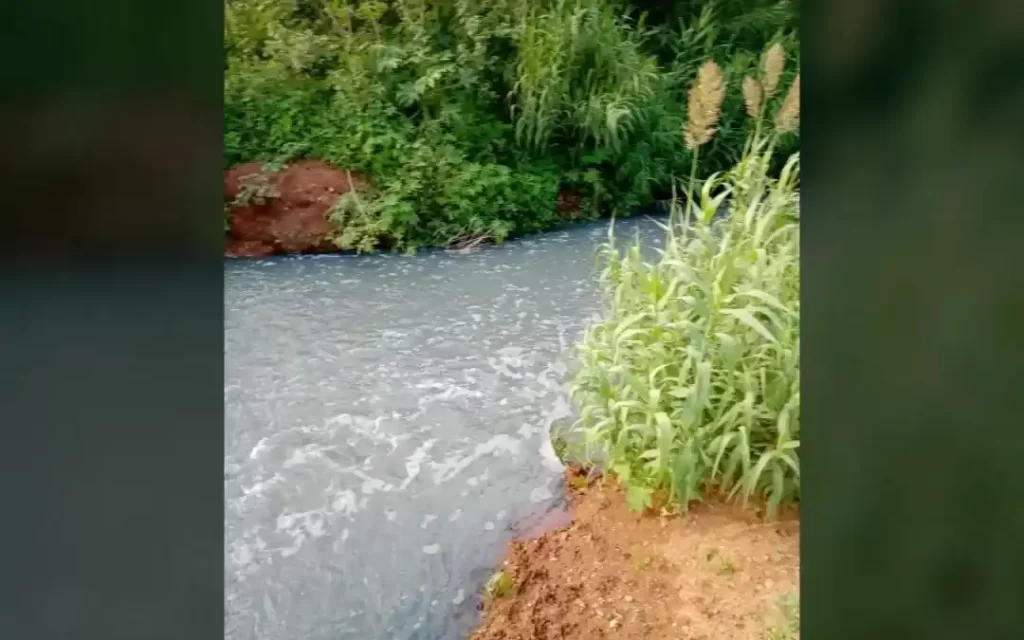
But with growing urbanisation in Coimbatore — the second largest city in the state after Chennai — water bodies, including Achankulam tank, are getting more and more polluted. Dumping of municipal solid waste and drainage of domestic sewage and untreated industrial effluents directly into the water bodies have become a major threat to the water resources. Though some of the water bodies in the main city area of Coimbatore were restored and rejuvenated through the smart city mission scheme recently, much more needs to be done.
The groundwater level in the area near Anchankulam — Sulur — is already overexploited, standing at 108 per cent, according to the National Water Mission Report on Coimbatore, perhaps because the airport and the upcoming National Defence Corridor Project are located close by
Coimbatore city is situated on the banks of the river Noyyal, which had 34 streams that perennially supplied water for drinking and other purposes. But now only four of the streams remain. Having 28 lakes, the city can be called a lake town. But now the lakes are a shade of their glorious past. Sewage, solid waste, encroachment, and silt buildup have degraded them. Achankulam is one of the tanks of the Noyyal river basin, along with 24 lakes in and around Coimbatore. It is located near Neelambur village in Sulur Taluk on the outskirts of the city, just two kilometres from the national highway.
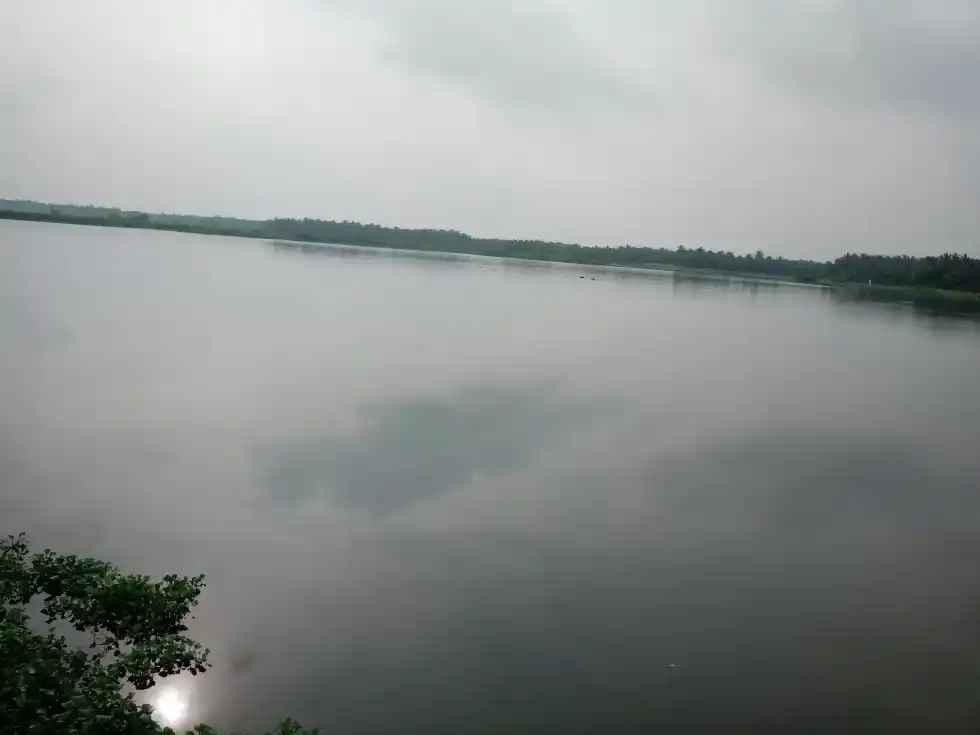
Being one of the biggest tanks in the district, Achankulam Tank provides water for farmers and residents covering a 20-km radius. It has an ayacut for agricultural land which irrigates 334 acres. Villages that receive Achankulam water include Muthugounden Pudur, Rasipalayam, Karavali Madhapur, Kaniyur, Semmandampalayam, Thekkalur, Mangalam, and also parts of Avinashi Taluk.
Being one of the biggest tanks in the district, Achankulam Tank provides water for farmers and residents covering a 20-km radius. It has an ayacut for agricultural land which irrigates 334 acres
Despite having lost a major portion of its shores to development works, Achankulam continues to attract a variety of migratory birds. Birdwatchers recently spotted two unusual visitors in the tank — Lesser Crested tern and Sanderling — both long-distance migrants that are primarily spotted in coastal areas. Birds have also been spotted at the Achankulam wetland and Muthugoundanpudur Kulam, near Sulur. Achankulam Lake was also in the news recently as it attracted more birds in the current wintering and migratory season.
Achankulam tank can be considered a biodiversity hotspot of sorts as about 200 species of birds visit every year, particularly between February and May.
The tank can be filled to up to 14 feet and has a minimum storage capacity of 4.707 tmc ft.
Also Read: Infrastructure in Chennai: Here’s why ‘high roads’ were laid
If the government and the people cooperate, Achankulam can be made into a tourist spot, with walkways, cycling, boating, fishing, bird watching and other activities in a pristine area surrounded by dense forest. This can only come about if awareness is created among the local community, students, farmers, and self-help groups, so that they can take responsibility as a community for the protection of Achankulam from solid waste and sewage pollution.
Additionally, the quality of the communities and the real estate around the lake is highly dependent on the condition and the natural beauty of the water body and the lakeshore. The ecological, social, and economic benefits of a well-managed tank can extend to generations of people.
Achankulam tank can be considered a biodiversity hotspot of sorts as about 200 species of birds visit every year, particularly between February and May
A multipronged approach is needed to rejuvenate and nurture sustainable solutions with livelihood opportunities for the local community. Local bodies must adopt technological solutions that are not just sustainable but are also efficient, take ground realities into account and fix key challenges without much manual interference. Installation of DRDO Bio Sewage Treatment Plants with decentralised solutions would be very cost-effective and long lasting without much maintenance.
https://inmathi.com/2022/12/06/kovais-achankulam-tank-gets-fresh-lease-of-life/72310/