Chandrasekaran Balakrishnan

Innovative-technology-enabling-effective-solid-waste-management-in-tamil-nadu

Innovative Technology Enabling Effective Solid Waste Management in Tamil Nadu Innovative Technology Enabling Effective Solid Waste Management in Tamil Nadu Chandrasekaran Balakrishnan December 18, 2020 Public Policy The article discusses how an innovative incineration technology has been used in processing tonnes of solid waste in the State of Tamil Nadu to zero waste without pollution and creating byproducts with tangible economic values. It also points out at the technology’s huge potential for transforming the national landscape into global markets and the need for a public policymaking system to change its mindset to live up to the ground realities. The vivid impacts of COVID-19 on the social and economic milieus are unwittingly visible at all levels of society and the economy across the world. India is no exception to it. However, impacts of COVID-19 on the environment and environmental protection measures are perhaps by far the most enduring, which are yet to be measured systematically and comprehensively to take up a multipronged approach for course corrections across the world. However, few studies stress on the impacts ofCOVID-19 to bring out perspectives on the subject of climate change.In a vastly populated country like India, which is an emerging market with a low level of per capita income, environmental protection measures are hitherto largely left to the governments, industries and other stakeholders. The local governments across the country are mainly focused on saving people from getting affected by COVID-19 and other prevention measures. Adequate attention is not given to environmental protection measures to minimise the degradation of the environment. Though, during COVID-19, few cities did far better in handling not only the municipal solid waste (MSW) but also medical waste and hazardous waste through innovative technologies, in most of the others it was completely left to the fate of nature.The past few years have seen several inventions and innovative technological experiments in the area of solid waste management in India. Some of them have been piloted and tested for efficacy with effective recycling of MSW and creation of comprehensive zero-pollution byproducts, showing encouraging trends in handling the most dangerous non-biodegradable waste generated by the residents of cities and urban growth centres.Moreover, few proactive States like Tamil Nadu have shown commitments by piloting innovative technologies and taking up the next phase of experimentation to scale it up to achieve clean and green urban centres. However, from the policy evolution perspective, it has been noticed that the use of innovative technology in most sensitive issues like MSW management often tends to face multiple hurdles while getting recognised by the government apparatus, which needs to be changed forever to transform the cities into really smart in finding solutions. A few years ago, 100 cities were brought in as Smart Cities with some or other combinations of technology to find solutions to the challenges faced by cities, but the sustainability of those technological solutions seem to be eroding faster. However, a few exceptional innovations and inventions are waiting at the doors of mainstream policymakers who still seem to be reluctant to take them up at a larger level.An interesting breakthrough technology named ‘MAK Green Incinerator’(homegrown and patented), which has a huge potential for transforming the national landscape into global markets with the most ultra-modern sophistication capacity, was recently awarded CavinKare MMA Chinnikrishnan Innovation Awards-2020 for zero-pollution and creating byproducts with tangible economic values out of biodegradable and non-biodegradable solid waste using Green incineration, i.e., without using any external fuel and a state-of-the-art pollution control system. The output is pure organic manure from biodegradable waste, paver bricks from ash produced from non-biodegradable waste, carbon from smoke, etc. Water used in the process is being recycled. The paver bricks produced are excellent quality which can be used for ground water recharge in the long run. The total volume reduction from non-biodegradable waste is up to 4 to 6 percent. For the first time in the State, the unit also got consent from the Tamil Nadu Pollution Control Board (TNPCB) to operate, based on its merits.All byproducts generated by this innovative technology have been tested in NABH approved laboratories and quality audit was done for gauging the sustainability of quality and standards. It was found that the byproducts have achieved not only the expectations of the experiments for zero pollution, but also more effective alternative use. As the total mixed MSW can be easily converted, there will be zero dump at dump yards, and this points to a possibility of converting existing dump yards into parks, thus saving100 hectares of land used as dump sites. The MAK Green Incinerator was awarded after multiple rounds of discussions among eminent panellists, consisting of academic (IITs) and industry (Saint Gobain, ITC, Kirlosker) experts, about the innovation’s uniqueness, its potential benefit to people and the capacity to scale up to save Mother Earth. The new technology can be adopted in cities and urban centres, where it can help to convert waste to zero waste in an eco-friendly way, without any pollution.The MAK Green Incinerator has been piloted in different locations in Tamil Nadu during the last two years and has achieved converting several thousands of tonnes of MSW and the medical waste of COVID-19into byproducts. The new technology was invented by a team under the leadership of reputed engineer Manickam Athappa Gounder and Scientist Prof Dr Raman Sivakumar, who is associated with M/s MAK India Limited, based out of Coimbatore, Tamil Nadu. Their rich overseas experience and hard work paved the way for the success.The commercial experiment of the MAK Green Incinerator technology was carried out at the Erode City Corporation, by operating the first pilot plant with 25 tonnes per day capacity. The efficacy of the new technology was effectively achieved in full capacity within a matter of six months. Indeed, the pilot plant was effective in preventing the mounting MSW dumped at the banks of Cauvery River for more than a year, thus saving the river and eliminating groundwater contamination, besides others. The pilot plant also helped prevent the spread of diseases

Innovative-technology-enabling-effective-solid-waste-management-in-tamil-nadu Read More »

Lack-of-socio-economic-data-disrupts-public-policy-making-in-tamil-nadu

Lack of Socio-Economic Data Disrupts Public Policy Making in Tamil Nadu Lack of Socio-Economic Data Disrupts Public Policy Making in Tamil Nadu Chandrasekaran Balakrishnan November 5, 2020 Public Policy The article analyses the existing structural lacunae in the Tamil Nadu economy for decades. It also attempts to show how independent academic debates and discussions become impossible without comprehensive socio-economic data, not putting it in the public domain and its suppression, thus impeding the public policy making process in the State. The subsidies aspects were always exaggerated using the media for getting more votes rather than rational and independent analysis of facts and figures. Of course, there were positive and negative impacts of subsidies provided to promote social development and industrial development which were often overlooked in the past by the lack of technology-driven approach for good governance, transparency and accountability of the government machinery.In Tamil Nadu, the percentage of persons below the poverty line in 2011-12 was estimated at 15.83 per cent in rural areas, 6.54 per cent in urban areas and 11.28 per cent for the entire State. As per the 2011 census, the State population was 7.21 crore, of which roughly 11.28 per cent is about 8 million people, but the public distribution system (PDS) provides food subsidies to nearly about 2 crore families. The average family size in Tamil Nadu is 3.9 which means the PDS provides food subsidies to 8 crore people! Nevertheless, the debates about the scale of development on social, economic, environment, culture, etc. vis-à-vis the equity and quality benchmark were always extremely skewed. For example, the comparisons of social and economic development indicators of Tamil Nadu should be with developed countries instead of developing States like Bihar or West Bengal to improve further, as more than 50 per cent of the population lives in urban areas.Thus, the mainstream debates deliberately miss out on some of the structural lacunae existing in the Tamil Nadu economy for several decades. One such aspect is the State’s socio-economic data which is not published timely in a comprehensive manner in the public domain for debates and discussions. It is also surprising that many of the top economists and social scientists in the State were silent about it for quite long. In Tamil Nadu, fiddling with socio-economic data has been a convenient political game by the two Dravidian parties for several decades to escape from stringent scrutiny and the absence of independent academic debates aggravated the situation further. The so-called rationalists and active developmental experts in the State were behind the doors of some or other political parties to suppress the data which was always inconvenient truths and needed masks. The media, which needs to be an independent agent of democracy, is one such dangerous mask which does not favour the public.Undoubtedly, one of the major structural challenges faced by the Tamil Nadu government is lack of transparency and accountability of making administrative data, policy documents and reports, analytical research reports, committee reports, etc. Indeed, it is not only strange but ironic that Tamil Nadu, the second-largest economy after Maharashtra in the country, still does not publish the Economic Survey Report.    Even States like Bihar, Andhra Pradesh, Karnataka, Maharashtra, Kerala, etc. publish Economic Survey Reports annually with comprehensive statistical data on all major parameters of social, economic, environmental and developmental status along with comparative analysis. Even States like Jammu and Kashmir had Economic Survey Reports for several years. Bihar has been publishing its Economic Survey Reports for the last 15 years.Being one of the State’s survey authors, Govind Bhattacharjee recently observed that “the Economic Survey of Bihar continues to be a goldmine of information. Prepared for the Government of Bihar by the Patna-based think-tank Asian Development Research Institute and now in its 14th edition (2019-20) since inception, the document has retained its objectivity despite the political pulls and pressures.” Further, he also notes that “it must be said to the credit of successive dispensations in Bihar that they have not much interfered with the contents of this document – in fact, the only document available for understanding the economy of Bihar or to undertake any research – for their narrow political interests…Perhaps they too realise that fiddling with data is fraught with consequences that might prove disastrous even for themselves.” Tamil Nadu has to learn from Bihar.To align with Niti Aayog at the national level, Tamil Nadu’s State Planning Commission has been reformed as State Development Policy Council (SDPC). The person who is heading the SDPC as vice-chairman is a political appointment and has no experience or expertise in public policy making except being an elected representative of the people. The reformation of the State Planning Commission was announced in 2017, but the SDPC became functional only recently. Unlike other states in India where the finance department releases the Economic Survey Reports along with Annual Budget documents, in Tamil Nadu it has a separate agency called the Department of Evaluation and Applied Research (DEAR) for undertaking the analytical and statistical updating of the state of the economy. The DEAR website shows the report for 2013-14 as the latest and no reports for the last five years are available. DEAR also mentions on its website that it has completed 767 evaluation studies as of February 1, 2020 but not a single report is available in the public domain. This shows that public policy making through evidence-based, sound research and evaluation reports is not the priority of the government.Further, there seem to be huge gaps between different arms of the State government in terms of policy coordination and making periodic reports and statistical data available in the public domain. Though the SDPC, DEAR and the Department of Economics and Statistics are all under the Ministry of Finance, they lack coherence in action on policies. DEAR is one of the oldest agencies in the State created in 1964. It has collaborated with Abdul Latif Jameel – Poverty Action Lab – South Asia (J-PAL-SA) since 2014 for evaluations of policies and programmes in the

Lack-of-socio-economic-data-disrupts-public-policy-making-in-tamil-nadu Read More »

ஜி.ஏ.நடேசன் (1873-1949): மறக்கப்பட்ட தேசியத் தலைவர் | பா.சந்திரசேகரன்

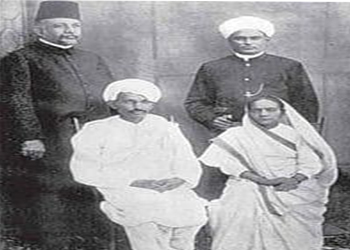
ஜி.ஏ.நடேசன் (1873-1949): மறக்கப்பட்ட தேசியத் தலைவர் | பா.சந்திரசேகரன் ஜி.ஏ.நடேசன் (1873-1949): மறக்கப்பட்ட தேசியத் தலைவர் | பா.சந்திரசேகரன் Chandrasekaran Balakrishnan November 1, 2020 Tamil Articles                                            (அமர்ந்திருப்பவர்கள்: காந்தி, கஸ்தூர்பா.நின்றிருப்பவர்களில் வெள்ளை தலைப்பாகை அணிந்திருப்பவர்: ஜி.ஏ.நடேசன்) இந்த கொரானா பெருந்தொற்று நோய்க் காலத்தில் பல்வேறு தொழில் துறைகள் பாதிப்புக்குள்ளாகி இருக்கின்றன. பாதிப்புக்குள்ளான துறைகள் எந்தளவுக்கு தங்களது நிறுவனத்தைத் திறமையாக நிர்வகித்தார்கள்,  நவீன தொழில்நுட்பத்தை எந்தளவுக்கு உள்வாங்கியுள்ளார்கள் என்பதைப் பொருத்து பாதிப்பு மாறுபடுகிறது. கொரானாவால் அனைத்துத் தரப்பையும் போலவே பதிப்பகம் மற்றும் அச்சு ஊடகம் சம்பந்தப்பட்ட துறைகளும் மிகவும் பெரும் பாதிப்புக்குள்ளாகி உள்ளன. இதனால் வருவாய் இழப்பு, வேலை இழப்பு, புதிய வேலைவாய்ப்பு குறைவு என இக்கட்டான சூழ்நிலை எழுந்துள்ளது. இதற்கு முன்பு இத்துறை சிறப்பாக இருந்ததா என்பது வேறு ஒரு விவாதம். முன்பு இருந்த அளவுக்குக் கூட இன்றைய நிலையில் இல்லை என்பதே முக்கியமானது. பெரும் இக்கட்டான சூழ்நிலையில் எதாவது ஒரு புதிய வெளிச்சம் அல்லது புதிய வாய்ப்பு உருவாகும் என்பது இயற்கையே. அந்தப் புதிய வாய்ப்பு என்னவென்றால் புதிய தொழில்நுட்பத்தின் மூலம் டிஜிட்டல் வாசிப்பு அதிகமானதுதான். ஆனால் நூறு ஆண்டுகளுக்கு முன்பு இப்படிப்பட்ட இக்கட்டான சூழ்நிலையில் எப்படிச் சமாளித்தார்கள்? இந்த அச்சு, ஊடக, பதிப்பு, நூல் வெளியீட்டுத் துறையின் மூலம் நாட்டின் சுதந்திரத்துக்காகப் போராடிய நம் தலைவர்கள் இச்சூழலை எப்படி எதிர்கொண்டார்கள் என்பது புதிராகத்தான் உள்ளது. தேசப்பற்றாளர்களின் தன்னலமற்ற பெரும் உழைப்பும் அர்ப்பணிப்பும் நாட்டுமக்களை ஊக்குவிக்க எடுத்த முயற்சிகளும் அபாரமானவை. தேசப்பற்றை மறந்துவிட்டு ஓடும் இந்தக் காலத்தில் அதை எல்லாம் நினைத்துப் பார்க்கக் கூட நாம் மறந்துவிட்டோம். இன்றைய ஊடகச் செயல்பாடுகள் மற்றும் அரசியல் நீரோட்டத்தில், தமிழகத்தில் கணபதி அக்ரகாரம் அண்ணாதுரை ஐயர் நடேசன் என்ற ஜி.ஏ.நடேசன் அவர்களின் பங்களிப்புப் பற்றியெல்லாம் படிக்கவோ எழுதவோ ஒருவருமில்லை என்பது மிகுந்த வருத்தமளிக்கிறது. தமிழ்நாட்டு அரசியலில் இருபதாம் நூற்றாண்டின் முற்பகுதி வரலாற்றில் ஜி.ஏ.நடேசன் அவர்களின் பங்களிப்பு அபாரமானது என்பதை வரலாறு எடுத்துரைக்கிறது. அத்திப்பூ போல 2012ம் ஆண்டு எழுத்தாளர் பெ.சு.மணி எழுதிய ‘ஜி.ஏ.நடேசன் -பதிப்பாளர் – இதழாளர் – தேசபக்தர்’ என்ற நூல் வெளியானது. அந்த நூலை வெளியிட்டு மறைந்த தொழிலதிபர் நா.மகாலிங்கம் கூறினார்: “நடேசன் போன்று தேசத்துக்காகப் பாடுபட்ட பல பெரியவர்கள் நினைவுகூரப்படாமலே உள்ளனர். எனவே, தேசத்துக்காகப் பாடுபட்ட அனைவர் குறித்தும் நூல்கள் வெளிவர வேண்டும். இல்லையெனில், இளைஞர்கள் மத்தியில் தவறான சரித்திரம் நிலைபெற்றுவிடும்.” ஜி.ஏ.நடேசன் தான் ஈடுபட்ட அனைத்துத் துறைகளிலும் தனக்கென்று ஒரு முத்திரை பதித்தவர். ஜி.ஏ.நடேசன்தான் மகாத்மா காந்தியை தென்னிந்தியாவுக்கு முதன்முதலில் அறிமுகப்படுத்தியவர். நடேசன் அவர்களின் வீட்டில்தான் சக்கரவர்த்தி ராஜகோபாலாச்சாரி அவர்கள் முதன்முதலில் காந்தியை சந்தித்தார். ஜி.ஏ.நடேசன் அவர்கள் நிறுவிய ஜி.ஏ.நடேசன் & கோ என்ற பதிப்பகம் இந்திய தேசிய விடுதலை உணர்வுகளை வளர்ப்பதற்கான நூல்களை வெளியிடுவதில் முக்கியப் பங்காற்றியது. மேலும் அவர் ‘தி இந்தியன் ரெவ்யூ (The Indian Review)’ என்ற மாதாந்திரப் பத்திரிகையை நிறுவி கிட்டத்தட்ட ஐம்பது ஆண்டுகள் ஆசிரியராக இருந்து அதில் தலையங்கமும் எழுதினார். 1909ம் ஆண்டு எச்.எஸ்.எல்.போலக் எழுதிய ‘மகாத்மா காந்தியின் வாழ்க்கை வரலாறு’ என்ற நூலை முதன்முதலில் ஆங்கிலத்தில் வெளியிட்டவர் ஜி.ஏ.நடேசன்தான். சுதந்திரப் போராட்டக் காலகட்டத்தில் நூற்றுக்கணக்கான தலைவர்கள் தேச ஒற்றுமையை மக்களிடம் கொண்டுசெல்ல நாடெங்கிலும் பல்வேறு காலகட்டங்களில் மிகச்சிறந்த உரைகளை நிகழ்த்தினார்கள். அதன் மூலம் ஆங்கிலேய ஆட்சியாளர்களின் கவனத்தை ஈர்த்து ஆட்சி, அதிகார மற்றும் அடக்குமுறையை மாற்றியமைக்க முயன்றார்கள். இந்த சுதந்திரப் போராட்ட நீரோட்டத்தை இந்திய மக்களிடம் மட்டுமில்லாமல் உலகெங்கிலும் உள்ள மக்களுக்குக் கொண்டுசெல்ல ஜி.ஏ.நடேசன் அரும்பாடுபட்டார். பல்வேறு சுதந்திரப் போராட்டத் தலைவர்களின் உரை மற்றும் எழுத்துக்கள் அனைத்தையும் தொகுத்து நூல்களாக மலிவு விலையில் வெளியிட்டார். இன்று அப்படியொரு பதிப்பகம் இல்லை என்றே சொல்லலாம். இன்றைய தமிழகத்தின் தஞ்சாவூர் மாவட்டம், பாபநாசம் ஊராட்சி ஒன்றியத்தில் திருவையாற்றுக்கு மிக அருகில் உள்ள கணபதி அக்ரகாரம் எனும் கிராமத்தில் ஜி.ஏ.நடேசன், அண்ணாதுரை ஐயர் அவர்களுக்கு மகனாக ஆகஸ்டு 24, 1873ம் ஆண்டு நடுத்தரக் குடும்பத்தில் பிறந்தார். இவரின் மூத்த சகோதரர் ஜி.ஏ.வைத்தியராமன். நடேசன் இரண்டு வயது இருக்கும்போதே அவரின் தந்தை இறந்துவிட்டார். பிறகு மூத்த சகோதரர்தான் இவருக்கு எல்லாமும். ஜி.ஏ.நடேசன் தனது பள்ளிப்படிப்பை கும்பகோணத்திலும் திருச்சிராப்பள்ளியிலும் முடித்தார். பிறகு மெட்ராஸ் மாநில கல்லூரியில் பி.ஏ பட்டப்படிப்பை 1897ல் முடித்தார். அயர்லாந்தில் பிறந்த கிளைன் பார்லோ (Glyn Barlow) ‘தி மெட்ராஸ் டைம்ஸ்’ பத்திரிகையின் ஆசிரியராக இருந்தபோது, அவரிடம் பயிற்சிபெற சிறிது காலம் அந்தப் பத்திரிகையில் பணியாற்றினார். 1897ம் ஆண்டு ஜி.ஏ.நடேசன் & கோ என்ற நூல் வெளியீட்டு நிறுவனத்தைச் சொந்தமாகத் துவக்கினார். இந்த நிறுவனம் மிகவும் குறுகிய காலத்தில் பிரபலமடைந்தது. மேலும் அதே ஆண்டு ‘தி இந்தியன் பாலிடிக்ஸ் (The Indian Politics)’ என்ற ஆங்கில இதழை ஆரம்பித்து அதன் ஆசிரியராகவும் இருந்தார். அதன் முக்கிய நோக்கம் மக்களின் குரலையும் கருத்துக்களையும் பிரிட்டிஷ் ஆட்சியாளர்களிடம் கொண்டுசேர்ப்பது மற்றும் சுதந்திரப் போராட்டத்திற்கு வலுசேர்ப்பது போன்றவை. ஆனால் சிறிது காலம்தான் இந்த இதழ் வெளிவந்தது. 1900ம் ஆண்டு, தி இந்தியன் ரெவ்யூ (The Indian Review) என்ற ஆங்கில மாத இதழை நிறுவி வெளியிட்டார் ஜி.ஏ.நடேசன். இந்த இதழின் ஆசிரியராக அவர் ஐம்பது ஆண்டுகள் இருந்தார். இந்த இதழின் பிரதிகளைப் படித்தால், பாரத நாட்டின் சுதந்திரப் போராட்ட நிகழ்வுகளை அணுஅணுவாக அப்படியே பிரதிபலித்திருப்பது புரியும். இந்த இதழின் முக்கிய நோக்கம் நாட்டின் சுதந்திரப் போராட்டத்துக்கு தேசிய அளவில் ஒரு விவாதத் தளம் அமைத்து, பொருளாதாரம், வேளாண்மை, இலக்கிய விமர்சனங்கள், விளக்கப் படங்கள் போன்றவை பற்றி ஆக்கப்பூர்வமாக விளக்கமளித்தல்; மக்களின் கோரிக்கையை அரசுக்குத் தெரிவித்து தகுந்த கொள்கைகளில் மாற்றம் கொண்டுவருதல் போன்றவை. தஞ்சைத் தமிழ்ப் பல்கலைக்கழக முன்னாள் துணைவேந்தர் அவ்வை நடராஜன் சில ஆண்டுகளுக்கு முன்பு கூறினார்: “அன்னிபெசன்ட் மொழிபெயர்த்த கீதை தொடங்கி நூற்றுக்கும் மேற்பட்ட நூல்களை ஜி.ஏ.நடேசன் ஆங்கிலத்தில் வெளியிட்டுள்ளார். அவர் நடத்திய இந்தியன் ரெவ்யூ பத்திரிகையில் வெளிவரும் கட்டுரைகளை ஆங்கிலேய கவர்னர் ஜெனரல்கள் வரை அனைவரும் படிப்பார்கள். நடேசன் நடத்திய இந்தியன் ரெவ்யூவில் மகாத்மா காந்தி 60க்கும் மேற்பட்ட கட்டுரைகளை எழுதியுள்ளார்.” ஆரம்பம் முதல் பல வருடங்களாக தி இந்தியன் ரெவ்யூ பத்திரிகையில் பிரதானமாகக் கட்டுரைகள் எழுதியர்வகள் மகாத்மா காந்தி, கோபாலகிருஷ்ண கோகலே, திலக், நேரு, ஜான் மாத்தாய், நாராயண் சந்தாவர்கர், சுரேந்திரநாத் பானர்ஜீ, சப்ரு, அகா கான், வி.கிருஷ்ணசுவாமி ஐயர், மதன் மோகன் மாளவியா, சி.பி.ராமசுவாமி ஐயர், தாதாபாய் நவ்ரோஜி, ஆர்.சி.தத், சி.எஃப்.ஆன்ட்ரோஸ், பி.எஸ்.சிவசாமி ஐயர், வி.எஸ்.ஸ்ரீனிவாச சாஸ்திரி, அன்னிபெசன்ட் போன்றோர். மேலும் பல பிரிட்டிஷ் எழுத்தளார்களும் இந்த மாத இதழில் கட்டுரைகள் எழுதித் தடம் பதித்துள்ளனர். பல கைகள் மாறி 1970ல் டி.டி.கிருஷ்ணமாசாரி அவர்கள் ‘இந்தியன் ரெவ்யூ’ பத்திரிகைக்கு உயிர் கொடுத்தார். 1974ல் அவர் நோய்வாய்ப்படும் வரையில் அதில் தலையங்கம் எழுதிக் கொண்டிருந்தார். பிறகு 1980ல் இந்தப் பத்திரிகை முற்றிலும் கைவிடப்பட்டது. மகாத்மா காந்தியால் ஈர்க்கப்பட்டு சுதந்திரப் போராட்டத்தில் ஈடுபட்ட ஜி.ஏ.நடேசன், பின்னர் காந்திஜியின் சில கொள்கைகளில் மாறுபட்டார். இருப்பினும் கடைசிவரை காந்தி நடேசனுடன் நட்பு பாராட்டினார். காந்தியின் சத்தியாகிரகம் மற்றும் ஒத்துழையாமை இயக்கம் போன்ற போராட்ட முறைகளில் நடேசனுக்கு சற்றும் ஈடுபாடு இல்லை. ஏனென்றால் அவர் அடிப்படையில் கோகலேவின் தீவிரவாதக் கொள்கையைப் பின்பற்றினார். காந்தி தென்னாப்பிரிக்காவில் போராட்டத்தில் ஈடுபட்டபோதிருந்தே, ஜி.ஏ.நடேசன் காந்தியுடன் தொடர்பில் இருந்தார். கல்லூரியில் படிக்கும்போது 1896ல் இருந்தே கடிதம் மூலம் காந்தியைத் தொடர்பு கொண்டார். காந்தியின் தென்னாப்பிரிக்கப் போராட்டத்திற்கு நிதி உதவி அனுப்பியவர்களில் ஜி.ஏ.நடேசனும் அடங்குவார். 1915ம் ஆண்டு மகாத்மா காந்தி முதன்முதலாக மெட்ராஸுக்கு வரும்போது ஜி.ஏ.நடேசன் வீட்டில் தங்கினார். அவர் அப்போது ஜார்ஜ் டவுனில் உள்ள தம்பு செட்டித் தெருவில் குடியிருந்தார். காந்தி ஏப்ரல் 17 முதல் மே 8 வரை நடேசனின் வீட்டில் தங்கி இருந்தார். இங்குதான் ராஜாஜி காந்தியை முதன்முதலில் நேரில் சந்தித்தார். அதுவரையில் அவரும் காந்தியுடன் கடிதம் மூலமே தொடர்பில் இருந்தார். காந்தியை அழைத்துவர மெட்ராஸ் சென்ட்ரல் இரயில் நிலையம் சென்றிருந்த ஜி.ஏ.நடேசன், இரயில் வந்தபிறகு காந்தியை முதல் மற்றும் இரண்டாம் வகுப்பில் தேடினார். காந்தியைக் காணவில்லை. சென்று இருந்தவர்களுக்கு எல்லாருக்கும் ஆச்சரியம். பிறகுதான் தெரிந்தது காந்தி மற்றும் அவரது மனைவி கஸ்தூர்பா காந்தி இருவரும் மூன்றாம் வகுப்பில் பயணம்செய்து வந்துள்ளார்கள் என்பது. ஜி.ஏ.நடேசனுக்கு காந்திஜி ஒருமுறை முழுக்க முழுக்க தமிழிலேயே கடிதம் எழுதியுள்ளார். தென்னாப்பிரிக்காவில் சுதந்திரப் போராட்டத்தில் கலந்துகொண்டு பாதிக்கப்பட்ட தமிழர்களை மெட்ராஸுக்கு காந்தி அனுப்பியபோது ஜி.ஏ.நடேசன்தான் அவர்களுக்கு உதவி புரிந்தார் என்பதை காந்தியே பல இடங்களில் தெரிவித்துள்ளார். ஜி.ஏ.நடேசன் காங்கிரஸ் கட்சியில் இருந்து விலகி வி.எஸ்.ஸ்ரீனிவாச சாஸ்திரி துவங்கிய இந்திய லிபரல் கட்சியில் இணைந்தார். இந்திய லிபரல் கட்சியின் முதல் தேசிய இணைச் செயலாளராகவும் தேர்ந்தெடுக்கப்பட்டார். 1922 முதல் 1947 வரை லிபரல் கட்சியின் மெட்ராஸ் செயலாளராக ஜி.ஏ.நடேசன் இருந்தார். 1923ல் மற்றும் 1931ல் என இரண்டு முறை மெட்ராஸ் மாகாண சட்டமன்றத்தின் நியமன உறுப்பினராக நியமிக்கப்பட்டார். 1933ல் இந்திய சுங்கவரி வாரியத்தின் முழுநேர உறுப்பினராக இருந்தார். அப்போது மெட்ராஸில் உருவான மில் தொழிலாளர்களின் பிரச்சினைகளைத் தீர்த்து வைத்தார். ஜி.ஏ.நடேசன் கனடா நாட்டில் நடைபெற்ற பிரிட்டிஷ் சாம்ராஜ்ய பார்லிமெண்டரி குழுவின் (Empire Parliamentary Association) கூட்டத்தில் கலந்து கொண்டார். 1938ல் மெட்ராஸ் நகரத்தின் ஷெரீப்பாக நியமிக்கப்பட்டார். ஜி.ஏ.நடேசன் கிட்டதட்ட கால் நூற்றான்று காலம் மெட்ராஸ் நகராட்சியின் உறுப்பினராகத் தொடர்ந்து தேர்ந்தெடுக்கப்பட்டார். நிர்வாகம் மற்றும் அரசுத் துறை சார்ந்த விஷயங்களில் சீர்திருத்தங்கள் மற்றும் வெளிப்படைத்தன்மையைச் செயல்படுத்துவதில் பெரும் பங்களித்தார். மெட்ராஸ் பல்கலைக்கழகத்தில் கால் நூற்றாண்டுகள் பல்வேறு பொறுப்புகள் ஏற்றுப் பணியாற்றிப் பல நிர்வாகச் சீர்திருத்தங்கள் மற்றும் தரமான கல்வியை உருவாக்க அரும்பாடுபட்டார். பிறகு தானாக முன்வந்து பல்கலைக்கழகப் பணியில் இருந்து விலகினார். ஜி.ஏ.நடேசன் பல வரலாற்றுச் சிறப்பு வாய்த்த நூல்களையும் கட்டுரைகளையும்

ஜி.ஏ.நடேசன் (1873-1949): மறக்கப்பட்ட தேசியத் தலைவர் | பா.சந்திரசேகரன் Read More »

Chakravarti Vijayaragavachariar – The Lion from The South!

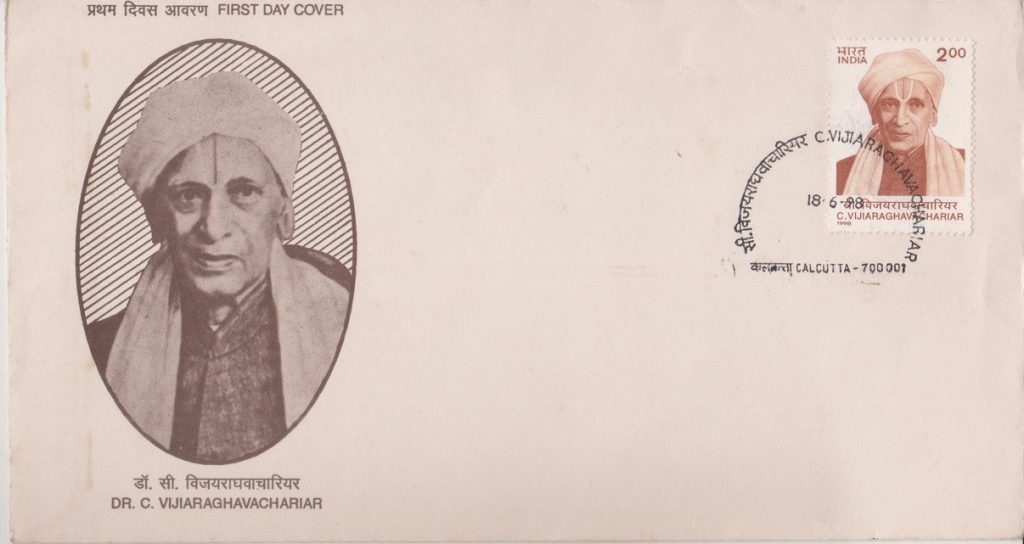
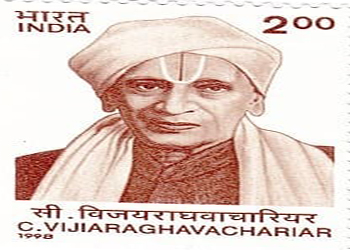
Chakravarti Vijayaragavachariar – The Lion from The South! Chakravarti Vijayaragavachariar – The Lion from The South! Chandrasekaran Balakrishnan October 7, 2020 Articles . The flame of democracy and its wings of fire thrive only if the feathers of democratic institutions function effectively. These institutions, like the power of the people, are entrusted in the execution apparatus of the rule of law and governance under the Constitutional provisions.  Democracy functions to catalyse the achievement of public freedom, liberty and protection of property through the participation of people.  However, the hardwired question is- “do our political parties established under Constitutional democracy work for enlarging the freedom of people?” Do the political parties effectively implement Constitutional schemes after being elected to power and thereby empower decentralized decision making, reaching the grassroots levels of the country?  One prime example is the grand old political party of India, the Indian National Congress; which, in the past, fought for freedom struggles through great freedom fighters and thinkers which included statesmen like Salem Chakravarti Vijayaraghavachariar. He was President of the Indian National Congress Party in 1920. It becomes important to go into some detail to understand the life and times of the great statesman Vijayaraghavachariar.  He was a successful lawyer from the town of Salem in the Madras Presidency (now Tamil Nadu) since 1881. He became a Member of the Legislature in the Madras Presidency in 1895 and served the people until 1901. It was there that he came into close contact with the great liberal thinkers V.S.Srinivasa Sastri, C.Sankaran Nair, V.Bhashyam Iyengar;  and many other eminent freedom fighters. He was a Member of the Imperial Legislature from 1913-1916 and played a historic role in that capacity.  Chakravarti Vijayaraghavachariar was famously called ‘The Roaring Lion of the South.’ He was born on June 18, 1852, at Madurantakam in Chingleput district in Madras Presidency. His father was a priest cum scholar who was adept in Sanskrit and traditional scriptures. Sadagopachariar wanted his son to take up after him. The young Vijayaraghavachariar learned the scriptures but was keen to learn English too. Later, he joined Pachaiyappas High School and stood second in the Matriculation Exams (1871).  He received his B.A degree in 1875 from Madras Presidency College. He was appointed as a Lecturer in the Madras Presidency College in the same year . Later, he was transferred to the Government College, Mangalore, where, after three years of service, he resigned. Those were times when Indians were ill-treated by the Europeans and Vijayaraghavachariar met the same fate with his Principal. He quit the job but was requested to stay back by the Director of Public Instruction. However, the bold youngster resolved to take a stand for himself. He moved to Salem town and taught English and Mathematics at the Salem Municipal College. He left his job and became an advocate in Salem after clearing the law examination. He was married to Lakshmi and had a daughter named Seetha.  Vijayaraghavachariar was involved with the Indian National Congress from day one. He had known A.O.Hume before the founding of the party, and he helped him to go ahead with the same. The first meeting took place in Mumbai (28.12.1895) under W.C.Banerjee (1844 – 1906), and Vijayaraghavachariar also participated along with Dadabhai Naoroji (1825 -1917), Pheroze Shah Mehta (1845 – 1915), Dinshaw Wacha (1844 -1936), S.Subramania Iyer (1842 -1924), G.Subramania Iyer (1855-1916) –  the founder of The Hindu newspaper, etc. At the age of 36, in 1888, Vijayaraghavachariar drafted the Constitution of the Congress Party. He was responsible for making the Congress popular in South India. He persuaded the founders to make the economic and social needs of the people a central concern of the party. It was during this formative period that Vijayaraghavachariar and his friends played a key role in making the Indian National Congress an effective political organization with a focus on national consciousness, unity, and development. In 1899, he was appointed as a member of the Congress Propaganda Committee.  At the Calcutta Session in 1906, Vijayaraghavachariar moved a resolution relating to the Permanent Land Settlement of Land Tenures. He argued that the people owned the land in India since time immemorial, and the ruler was only paid a share of the produce. The ruler never owned everything, and a shift in thought and action was the result of colonial tendencies and reeked of European feudalism. Later this was to become the basis for various Acts connected with land reforms in India.  The Surat session of the Congress in 1908 caused a split between the extremists and moderates. Tilak inspired all the extremists, and Vijayaraghavachariar was with him. The Amritsar Congress (1919) was important for Vijayaraghavachariar who spoke about the Fundamental Rights of the Citizens. The meeting went on for long hours, and he received approval from the members instantly. The Constitution of India was based on this resolution. Vijayaraghavachariar had, thus, always been a foresighted man.    He moved closely with leaders like Mahatma Gandhi, Madan Mohan Malaviya, Surendranath Banerjee, Gopala Krishna Gokhale, etc., The government brought in the Criminal Act Law Amendment Bill in 1913 and Vijayaraghavachariar opposed it vehemently along with Banerjee. They had to face threats but stood by their decision. He actively participated in debates and discussions on several subjects and always argued in favour of human rights. He was astutely well-read and was an expert in parliamentary proceedings. The government was forced to acknowledge his intelligence grudgingly. The Nagpur Session took place in 1920, and Vijayaraghavachariar was made the President of the party. Gandhi also proposed the Non-Cooperation Movement during this session. It was announced in the backdrop of the Rowlatt Act and Jallianwala Bagh tragedy. Vijayaraghavachariar insisted that Gandhi keep Non-Swarajya as the goal of the movement; which he accepted. These details can be found in the autobiography of Gandhi.  Vijayaraghavachariar supported the non-violent approach publicly. Lord Birkenhead, the Secretary of State of India had once stated that Indians were incapable of drafting their own constitution. Vijayaraghavachariar took up the challenge and prepared the Swaraj Constitution of

Chakravarti Vijayaragavachariar – The Lion from The South! Read More »

தேசியத் தலைவர் சேலம் சி.விஜயராகாவாச்சாரியார் (1852-1944) | பா. சந்திரசேகரன்

தேசியத் தலைவர் சேலம் சி.விஜயராகாவாச்சாரியார் (1852-1944) | பா. சந்திரசேகரன் தேசியத் தலைவர் சேலம் சி.விஜயராகாவாச்சாரியார் (1852-1944) | பா. சந்திரசேகரன் Chandrasekaran Balakrishnan October 1, 2020 Tamil Articles   கடந்த அரை நூற்றாண்டாக இந்திய தேசியக் காங்கிரஸ் கட்சி அனைத்து நிலைகளிலும் மக்களின் நம்பிக்கையை இழந்துள்ளது. அந்தக் கட்சியைப் போல் ஜனநாயக ஆட்சிமுறையை வேரறுத்தவர்களை நினைவுக்கு எட்டியவரை பார்க்கமுடியாது. அந்த அளவுக்கு அதலபாதாளத்துக்கு தள்ளியது அந்தக் கட்சியின் தலைமைதான் என்பது உரறிந்த உண்மை.  மக்களின் மன மாற்றத்தை ஏற்றுக்கொண்டிருந்தால், அமைப்புரீதியான மாற்றம் அந்தக் கட்சியில் ஏற்பட்டு இருக்கும். மாபெரும் பழமைவாய்ந்த வரலாற்று சிறப்புமிக்க கட்சி, நாடு சுதந்திரம் பெற பாடுபட்ட கட்சி, அதன் முன்னாள் தலைவர்களையும் அவர்கள் வளர்த்த ஜனநாயக மாண்புகளையும் குழிதோண்டி புதைத்துவிட்டது என்றுதான் சொல்லவேண்டும். தவறாக வழிநடத்தப்பட்ட அரசர்களைப் பற்றிக் கேள்விதான் பட்டியிருப்போம். ஆனால் இங்கு ஒரு சர்வாதிகாரக் குடும்பமே நிகழ்காலத்தில் ஒரு மாபெரும் அரசியல் கட்சியை எப்படியெல்லாம் நடத்தக்கூடாதோ அப்படியெல்லாம் நடத்திக் கொண்டிருக்கிறது. இவர்கள் மக்களை மதிக்கவே இல்லை என்பதுதான் இதற்குப் பொருள். மாபெரும் தேசியத் தலைவர், சுதந்திரப் போராட்டவீரர், அரசியல் சாசன வழிகாட்டி, “தென்னிந்தியாவின் சிங்கம்” என்று போற்றப்பட்டவர் சேலம் சக்கரவர்த்தி விஜயராகவாச்சாரியார். அவர் இந்திய தேசியக் காங்கிரஸ் கட்சியின் தலைவராக பொறுப்யேற்ற நூறாவது ஆண்டு இந்த ஆண்டு. தாதாபாய் நௌரோஜி, கோபால கிருஷ்ண கோகலே, சுரேந்திரநாத் பானர்ஜி, மதன் மோகன் மாளவியா, பாலகங்காதர திலகர், மோகன்தாஸ் கரம்சந்த் காந்தி போன்ற தேசியத் தலைவர்களுடன் சுதந்திரப் போராட்டத்தில் அரை நூற்றாண்டுக்கும் மேல் பங்கு வகித்தவர் இவர். இன்று அவரின் தேசப் பங்களிப்பைப் பற்றிப் பேசவோ அல்லது எழுதவோ யாருமில்லை என்பது பெரும் வருத்தத்திற்குரியது. இந்திய தேசியக் காங்கிரஸ் கட்சியின் மகாசபை 1920ம் ஆண்டு நாக்பூரில் விஜயராகவாச்சாரியார் தலைமையில் நடைபெற்றது. தமிழகத்தில் இருந்து தேர்ந்தெடுக்கப்பட்ட முதல் அகில இந்திய காங்கிரஸ் கட்சியின் தலைவரான பெருமை இவரையே சேரும். இந்த கூட்டத்தில்தான் ஒத்துழையாமை இயக்கம் தொடங்கப்பட்டது. ஜாலியன் வாலாபாக் படுகொலை மற்றும் ரெளலட் சட்டத்திற்கு எதிராக போராடிய காலகட்டம் அது. அவரால் பெரிதும் ஈர்க்கப்பட்ட சக்கரவர்த்தி ராஜகோபாலாச்சாரியார் இந்த மாநாட்டில்தான் அகில இந்தியக் காங்கிரஸ் மகாசபையினால் தேசியத் தலைவராக அறிவிக்கப்பட்டார். ராஜாஜி காங்கிரஸ் கட்சியின் தேசியச் செயலாளராக அறிவிக்கப்பட்டார். அதுவரை தமிழ்நாட்டின் காங்கிரஸ் தலைவர்களில் ஒருவராகத்தான் திகழ்ந்தார் அவர். 1932ம் ஆண்டில் அலகாபாத் நகரில் நடந்த சர்வ கட்சிக் கூட்டத்தைத் தலைமை ஏற்று நடத்தினார் விஜயராகவாச்சாரியார். 1885ம் ஆண்டு மும்பையில் நடந்த இந்திய தேசிய காங்கிரஸின் முதல் மாநாட்டில் ஆலன் ஆக்டவியன் ஹியூம், உமேஸ் சந்திர பானர்ஜி, சுரேந்திரநாத் பானர்ஜி, பிரோஸ்ஷா மேத்தா, வில்லியம் வெட்டர்பர்ன், தாதாபாய் நௌரோஜி, தின்சா வாச்சா, எஸ்.சுப்ரமணிய ஐயர், ஜி.சுப்ரமணிய ஐயர் (“தி இந்து” மற்றும் “சுதேசமித்திரன்” பத்திரிகைகளைத் தொடங்கியவர்) போன்றோர் கலந்துகொண்டனர். அந்தக் கூட்டத்தில் விஜயராகவாச்சாரியார் சிறப்பு அழைப்பாளராகக் கலந்துகொண்டார். அவர் ஆலன் ஆக்டவியன் ஹியூம்-உடன் அதற்கு முன்பே தொடர்பில் இருந்தார் என்பது குறிப்பிடத்தக்கது. விஜயராகவாச்சாரியார் தனது 36வது வயதில் மூன்றாவது காங்கிரஸ் மாநாட்டில் பங்கேற்று கட்சியின் அரசியலமைப்பை உருவாக்கும் குழுவில் முக்கிய உறுப்பினராகத் தேர்ந்தெடுக்கப்பட்டார். 1899ம் ஆண்டு காங்கிரஸ் கட்சியின் கொள்கை பரப்புக் குழு உறுப்பினராக நியமிக்கப்பட்டார். மதுவிலக்கு, நிலச் சீர்திருத்தம், குழந்தைத் திருமண எதிர்ப்பு, பெண்களுக்குச் சொத்துரிமை, தீண்டாமை ஒழிப்புப் போன்ற திட்டங்களை நாட்டின் சுதந்திர லட்சியங்களுடன் இணைத்த பெருமை விஜயராகவாச்சாரியாருக்கு உண்டு. சக்கரவர்த்தி விஜயராகவாச்சாரியார் ஜூன் 18, 1852 அன்று செங்கல்பட்டு மாவட்டத்தில் உள்ள மதுராந்தகம் அருகில் உள்ள பொன்விளைந்த களத்தூர் என்ற கிராமத்தில் சடகோபாசாரியாருக்கும், கனகவள்ளி அம்மையாருக்கும் மகனாகப் பிறந்தார். அவரின் தந்தையார் சமஸ்கிருதம் மற்றும் தரமசாஸ்திரங்கள் அறிந்த அறிஞர். விஜயராகவாச்சாரியார் உயர்நிலைப் பள்ளிக் கல்வியை மதுராந்தகத்தில் 1868ம் ஆண்டு முடித்துவிட்டு பச்சையப்பாஸ் மேல்நிலைப் பள்ளியில் தனது பள்ளிப்படிப்பை 1870ல் முடித்தார். 1871ம் ஆண்டு சென்னை மாநிலக் கல்லூரியில் சேர்ந்து தனது பட்டப்படிப்பை 1875ம் ஆண்டு முடித்துவிட்டு அதே கல்லூரியில் ஆசிரியராகப் பணியாற்றினார். பிறகு மங்களூர் அரசுக் கல்லூரிக்குப் பணியிடம் மாற்றம் செய்யப்பட்டார். நேர்மையாக அவர் அங்கு பணியைத் தொடர இயலவில்லை. ஆங்கிலேய ஆட்சிக் காலத்தில் அடக்குமுறையைப் பின்பற்றியதை எதிர்த்து பிறகு தனது பணியை ராஜினாமா செய்தார். (அவர் ஒரு சிறந்த ஆசிரியராக விளங்கியதால் கல்வித்துறை இயக்குநர் அவர் பணியில் இருந்து விலகியதை விரும்பவில்லை.) பிறகு அவர் சில ஆண்டுகள் சேலம் நகராட்சி கல்லூரியில் ஆங்கிலம் மற்றும் கணக்குப் பாடங்களுக்கு ஆசிரியராகப் பணியாற்றினார். இதனுடன், தனியாக அப்போது சட்டமும் பயின்று வந்தார். பின்னர் பணியை ராஜினாமா செய்துவிட்டு 1881ம் ஆண்டில் சேலம் நகரத்தில் தனது வழக்கறிஞர் பணியைத் துவங்கினர். குறுகிய காலத்திலேயே அவர் மிகச் சிறந்த வழக்கறிஞராகப் புகழ்பெற்றார். 1882ம் ஆண்டு விஜயராகவாச்சாரியார் சேலம் மாநகர சபை உறுப்பினராகத் தேர்ந்தெடுக்கப்பட்டு அரசியலில் தன்னை ஈடுபடுத்திக்கொண்டார். அதே ஆண்டு, சேலம் செவ்வாய்ப்பேட்டைப் பகுதியில் நடந்த இனக்கலவரத்தில் விஜயராகவாச்சாரியார் குற்றவாளியாகக் கருதப்பட்டு, 10 ஆண்டுகள் அந்தமான் தீவுகளுக்குக் கடத்தப்படவேண்டும் என்ற சிறைத் தண்டனை வழங்கப்பட்டது. அதனால் அவர் நகரமன்றப் பதவியையும் இழந்தார். சிறையிலிருந்தபடியே தான் குற்றமற்றவர் என்பதை நிரூபித்து விடுதலையானார். மேலும் மாகாண நிருவாகத்திடமிருந்து நட்ட ஈடும் பெற்றார். நீதிமன்றத்தில் அவருக்காக வாதாடியவர் எர்டுலே ஜான் நார்டன் என்ற ஆங்கிலேய வழக்கறிஞர். விஜயராகவாச்சாரியார் 1895ம் ஆண்டு முதல் 1901ம் ஆண்டு வரை மதராஸ் மாகாண கவுன்சில் உறுப்பினராகவும் மற்றும் 1913ம் ஆண்டு முதல் 1916ம் ஆண்டு வரை மத்திய கவுன்சில் உறுப்பினராகவும் பதவி வகித்து மக்களுக்காகப் போராடியவர். இந்தக் காலகட்டத்தில் ‘சில்வர் டங்’ என்று போற்றப்பட்ட வி.எஸ்.ஸ்ரீனிவாச சாஸ்திரி, சி.சங்கரன் நாயர், வி.பஷ்சியம் ஐயங்கார் போன்றோருடன் தொடர்பை ஏற்ப்படுத்திக்கொண்டார். 1906ம் ஆண்டு, கல்கத்தாவில் காங்கிரஸின் மகாசபை கூட்டம் தாதாபாய் நௌரோஜி தலைமையில் நடைபெற்றது. அந்தக் கூட்டத்தில் விஜயராகவாச்சாரியார் “நிரந்தர நிலச் சீர்திருத்தம் மற்றும் நிலக்குடி உரிமை அமைப்பு முறைகள்” பற்றிய தீர்மானங்கள் கொண்டுவந்து அவற்றை நிறைவேற்றினார். அந்தத் தீர்மானத்தில் அவர் கூறியதாவது: ‘ஐரோப்பிய நிலப்பிரபுத்துவம் இந்தியாவில் திணிக்கப்படக்கூடாது, அதை ஏற்றுக்கொள்ளமாட்டோம், இந்திய மக்களுக்கு அடிப்படையில் சொத்துரிமை உண்டு. அதை அவர்கள் மறுக்கமுடியாது.’ இந்தச் சீர்திருத்தங்கள் பின்னாட்களில் நிலச் சீர்திருத்தச் சட்டம் மற்றும் பல்வேறு சட்ட விதிகளை உருவாக்க முன் உதாரணமாக இருந்தது. 1919ம் ஆண்டு அமிர்தசரஸில் காங்கிரஸ் மகாசபை கூட்டம் மோதிலால் நேரு தலைமையில் நடந்தது. அந்த மாநாட்டில், விஜயராகவாச்சாரியார் “மக்களின் அடிப்படை உரிமைகள்” என்பது குறித்துத் தீர்மானம் கொண்டு வந்து உரையாற்றினார். முதல் சுதந்திர இந்திய அரசியலமைப்பு நகலைத் தயாரித்தவர் விஜயராகவாச்சாரி. மத்திய சட்டமன்றத்தில் லார்டு பிர்கென்ஹெட் (Lord Birkenhead, the Secretary of State for India) என்ற ஆங்கிலேய அதிகாரி, ‘இந்தியர்களால் ஒர் அரசியல் சாசனம் தயாரிக்க முடியுமா?’ என்று ஒரு சவால் விட்டார். அந்த சவாலை ஏற்று, 1927ம் ஆண்டு, இந்தியாவிற்கு முதன்முதலாக, தனி ஒரு மனிதனாக “ஸ்வராஜ் அரசியலமைப்புச் சட்டம்” என்ற ஒன்றைத் தயார் செய்து கொடுத்தவர் விஜயராகவாச்சாரியார். நம் நாடு சுதந்திரம் அடைந்த பிறகு அமைக்கப்பட்ட அரசியலமைப்புச் சட்டத்திற்கு விஜயராகவாச்சாரியார் எழுதிய அரசியல் சட்டம் ஓர் அடிப்படையாகவே அமைந்தது. இருபதாம் நூற்றாண்டின் தொடக்கத்தில் காங்கிரஸ் கட்சியில் கொள்கை ரீதியாக ஆங்கிலேயே அரசை எதிர்த்து போராடும் அணுகுமுறையில் குழப்பம் உருவாகி தலைவர்களிடையே பனிப்போர் இருந்தது. அதில் மிதவாத காங்கிரஸ் அணிக்குத் தலைவர் கோபால கிருஷ்ண கோகலே. தீவிரவாத அணிக்குத் தலைவராகத் திகழ்ந்தவர் பாலகங்காதர திலகர். அப்போது விஜயராகவாச்சாரியார் திலகரின் அணியிலே இருந்தார். மெட்ராஸ் இதழில் பல்வேறு பொதுக்கொள்கைகள் பற்றி அவர் எழுதியவை ஏராளம். அறுபது ஆண்டுகள் போராடிய இந்தத் தேசியத் தலைவர், தேசிய வரலாற்றில் பல்வேறு பெருமைகளைப் பெற்றவர், இந்து மகா சபையின் தலைவராகவும் பதவி வகித்துள்ளார் (1931). கப்பலோட்டிய தமிழன் என்று போற்றப்படும் வ.உ.சிதம்பரம் பிள்ளை அவர்கள் நடத்திய சுதேசிக் கப்பல் நிறுவனத்தின் சட்ட ஆலோசகராக விஜயராகவாச்சாரியார் இருந்தார் என்பதை வெகு சிலரே அறிவர்! ஆசிரியர், சீர்திருத்தவாதி, அரசியல்வாதி, வழக்கறிஞர், சிறந்த அரசியலமைப்பு நிபுணர் எனப் பன்முகம் உடையவர் விஜயராகவாச்சாரியார். அவரின் மனைவியின் பெயர் லட்சுமி. அவர்களின் ஒரே மகள் சீதா. நாடு சுதந்திரம் அடைவதற்கு மூன்று ஆண்டுகளுக்கு முன்பு, ஏப்ரல் 19, 1944ம் ஆண்டு, விஜயராகவாச்சாரியார் தனது 92வது வயதில் காலமானார். இன்றைய அராஜக அரசியலில் ஆண்டுதோறும் அரசியல் தலைவர்களின் சிலைக்கு, பிறந்த நாளின் போதும் நினைவு நாளன்றும் மாலை அணிவித்து மரியாதை செலுத்தி வருகின்றனர். ஆனால் நாட்டுக்காக உழைத்த தேசியத் தலைவரான விஜயராகவாச்சாரியாரை, தமிழகத்தின் பெருமை மிகுந்த மனிதரான இவரை, அரசும் அவர் உழைத்த கட்சியும் கைவிட்டு விட்டது. காங்கிரஸ் கட்சியின் குடும்ப அரசியலில் விஜயராகவாச்சாரியார் போன்ற பல சுதந்திரப் போராட்டத் தலைவர்களும் முன்னாள் காங்கிரஸ் கட்சியின் தலைவர்களும் மறைக்கப்பட்டு மக்கள் மனதில் இருந்து அடியோடு மறக்கப்படிக்கப்பட்டுவிட்டனர். சிறந்த தேசியவாதியாக விளங்கிய விஜயராகவாச்சாரியார் தனக்கென்று எதையுமே வைத்துக்கொள்ளவில்லை. ஏழை எளிய மக்களுக்கும் நாட்டுக்கும் தனது கடைசிகாலம் வரை உழைத்தார். சேலத்தில் அவர் பெயரில் ஒரு நூலகம் ஒன்று உள்ளது. இந்த நூலகத்தில் அவரின் படைப்புகள் வைக்கப்பட்டுள்ளன. அவரது நினைவாக சேலம் மாநகரத்தில் இரண்டு சிலைகள் நிறுவப்பட்டுள்ளன. அவைகள் ஏணிப்படி இல்லா சிலைகள்! அன்று முதல் இன்று வரை இந்தச் சிலையை யாரும் கண்டு கொள்வது இல்லை. நிலைமை இப்படி இருந்தால், அடுத்த தலைமுறைக்கு எப்படி இந்தத் தேசத்துக்காகத் தியாகம் செய்த மாபெரும் தலைவர்கள் பற்றித் தெரியவரும்? https://valamonline.in/2020/10/c-vijayagavachari.html#more-2412   Facebook Instagram X-twitter

தேசியத் தலைவர் சேலம் சி.விஜயராகாவாச்சாரியார் (1852-1944) | பா. சந்திரசேகரன் Read More »

Prof S.Ambirajan’s Thoughts on Development Economics

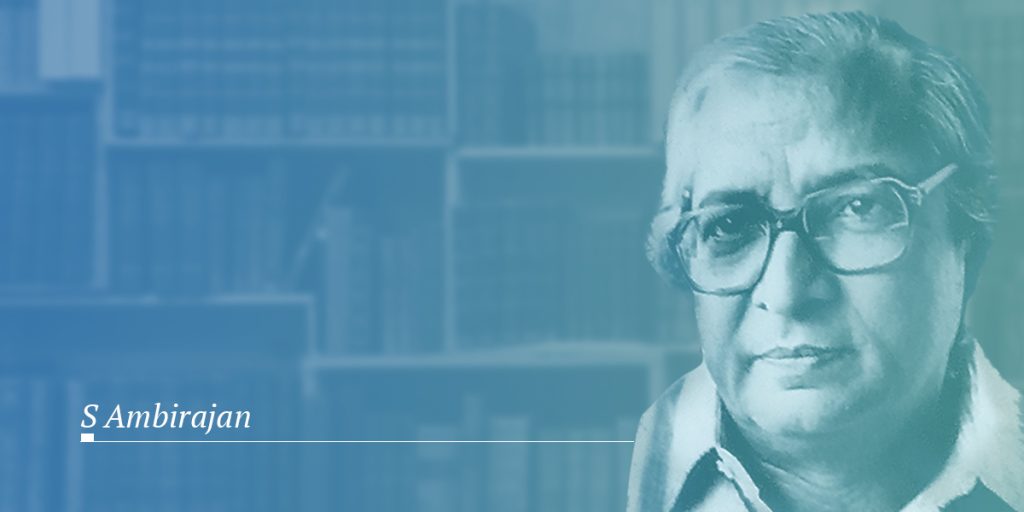
Prof S.Ambirajan’s Thoughts on Development Economics Prof S.Ambirajan’s Thoughts on Development Economics Chandrasekaran Balakrishnan September 10, 2020 Articles     Development economics is a subject which has evolved over the years primarily post World War II both in terms of theorizing concepts, galvanizing methods, and assumptions over societies, state and markets functions. It also invented tools to frame public policies across the world to promote the development of a gamut of things in society in order to achieve prosperity.  Over the years, some intelligentsia within the domain narrowed down the focus of   development economics by confining it as a system only for developing economies, now fashioned as emerging economies. Now, development economics has been subdivided into many branches of economics. The subject is still growing with specializations. The latest one is behavioural economics which aims at a new dimension of inquiry into causes from poverty to prosperity. After independence especially in countries like India, the policies and methods were structured around development economics through political dictates. This notion was a considerably flawed framework at least from the established basic economics principles like scarcity of resources, demand, and supply, opportunity costs, spontaneous order, liberty, individual freedom, private property rights, trade is positivism game, compatibility of democracy and economic freedom, the institutional framework for good governance to deliver services to people, etc. These were all necessary to promote competition, choice, and efficiency in an economy, whether a nation aims for public goods or private goods. However, in a controlled regime of governance like the one which was under Jawaharlal Nehru, the compartmentalization of policies would impede the progress of any society irrespective of growth of population, lack of natural resources, turbulent political and social systems, etc. Further, in the process to glamorize the art of politics to people on democracy, the goal of building independent institutional networks to promote structural transformations for economic development and  growth were hugly undermined for decades after independence.  Against this background, it is interesting to note Professor Srinivasa Ambirajan’s thoughts on the social and economic development of post-Independent India. He had a profound understanding of the subject of development economics before many theories evolved around it. He had never narrowed either his research or his teaching of economics for several decades both in India and abroad. He had written copiously on the nexus of the interdependence of public policymaking, economic growth, and development, development of social, cultural, and history of economic thoughts for about half a century. His first major book was “The Grammar of Indian Planning (1959)” which is a classic treatise on the Indian political economy of the first decade post-independence. It has systematically dealt with major structural issues and challenges of developing economies, breaking away from the dogmatic thinking of centralized planning, less tested ideas of socialism and communism. He was an awed original thinker like V.S.Srinivasa Sastri, B.R.Ambedkar, Rajaji, Prof.B.R.Shenoy, etc. Prof Ambirajan had provided a profound analysis of the survey of literature in the book. His prophetic warnings on key issues such as population growth and control measures, economic growth and development, pitfalls of deficit financing, promotion of entrepreneurship with limited power of State, liberty, freedom, etc. came true across the developing economies after decades of socialist command and control regimes failed. On the growth of population, Prof Ambirajan firmly believed that “Generally a rapid rise in population accompanies rapid economic development” and “economic development alone can be the effective remedy to the threat of overpopulation.” According to him, “Economic development is but one of the many factors that determine a country’s or a community’s prosperity. Without social betterment and general cultural progress, mere economic development can have no meaning for us.”  And he perceptibly warned the policymakers that “drastic measures to cut birth rates like birth control, abortion, etc. will not help to alleviate human misery; the remedies may actually prove worse than the disease!” He also warned the leaders at the helm of affairs that “Can we efficiently industrialise — for without industrialisation the problem of our age-long poverty cannot be solved — and at the same time avoid the evils of overcrowding, uprootedness, slum-life, bad sanitation, disease, ignorance, gross inequality in standards of life, and chronic insecurity?” Still, Governments in India spend thousands of crores towards population control measures even after the efforts of many decades but with little outcomes. For instance, just 13 states were able to achieve below replacement fertility levels as of 2018, and states like Bihar have to go for years to reach replacement fertility. Instead, the efforts could have been systematically focused on economic and social development fronts which could have effectively arrested the growth of fertility. According to Prof Ambirajan “wealth gives comfort and security; it also provides more leisure. Because economic growth increases efficiency, the necessities of the people could be produced more easily and in a much shorter period, and hence there will be plenty of time or leisure for various liberal arts like music, painting, literature, dance, drama, etc. to flourish. Economic growth enables people to have the advantage of more goods and services, more and more of them, without any foreseeable limit of exhaustion. Thus new types of goods are produced and sold in highly developed economies, and inventive ingenuity, advertisement, and pressure publicity give currency to these newer and still newer goods which people are most eager to possess. Because fewer people are engaged in the production of the necessities, the rich modern societies are able to spare more people for other vocations like medicine, law, music, teaching, etc. Again, man being a rational and intelligent being…gains progressively greater control over his environment and thus increases his freedom”. Countries like India after independence were not able to use natural and human resources towards achieving higher economic growth and this was observed in 1959 by Prof Ambirajan that “what we witness in the underdeveloped countries today is the sorry spectacle of the misuse of the natural resources. Not until resources are used carefully and to the fullest extent can real economic growth be achieved.” Moreover, he believed that “it is also

Prof S.Ambirajan’s Thoughts on Development Economics Read More »

Challenges-of-productive-employment-creation-in-india

Challenges of Productive Employment Creation in India Chandrasekaran Balakrishnan September 9, 2020 Articles Challenges of Productive Employment Creation in India   During the last eight months, the world has been confronted with an unprecedented catastrophic health crisis in the form of COVID-19 pandemic. It has irrefutably reminded every society across the world to be more open and kind to each other to collectively overcome the crisis that was erupted out of China. The spillover effects of the pandemic have in turn created heavy losses to the real economy and multifold shocks to the financial sectors of countries around the world. Thus, the livelihoods and employment sector have become the most severely hit and it seems that it would take years to recover. The fatalities across the world are approaching one million. For the collective mitigation of the COVID-19 pandemic, each nation has to embark on a new path by reposing faith in the Constitutional provisions along with the international agreements of treaties to safeguard the people who are invulnerable conditions and at the same time explore how best they can help other nations. Economies across the world are also finding it extremely hard to manage the scarce resources and the demands of public healthcare systems. Click on to read the article Chandrasekaran Balakrishnan is Research Fellow (Urban Eco-system and Skill Development) with CPPR. Views expressed are personal and need not reflect or represent the views of Centre for Public Policy Research. The author has shared some of the points discussed in this article at the national level panel discussion webinar on “Productive Employment Creation in India during COVID-19” organised by Ramaiah Public Policy Center, Bangalore, on August 28, 2020. Facebook Instagram X-twitter

Challenges-of-productive-employment-creation-in-india Read More »

Factors of production and land titling polices, the need for reform

Factors of production and land titling polices, the need for reform Factors of production and land titling polices, the need for reform Chandrasekaran Balakrishnan August 25, 2020 Articles To achieve a higher trajectory of economic growth encompassing a comprehensive economic development of a nation requires clearly defined and sound principled public policies on factors of production. The rules of framework permeate the factors of production in the interest of the nation irrespective of any political systems. The fundamental rules of operation would inevitably help us to make use of vital resources effectively such as land, labour, capital, entrepreneurial skills. Among the key factors of production, the labour and capital have more power of portability as compared to the land which is fixed in nature but it has intrinsic value on its locations. Further, few more precious values of factors of production were added in the modern world, the science of management practices, entrepreneurship skills, innovation, and effective use of precise time as a factor with decision making and risk-taking ability are all important besides the use of modern technologies. However, the key challenges remain on the terms of use, and misuse of these vital resources. How do nations make factors of production more efficient? Since independence, the public policies were framed in such a way that challenges posed by the factors of production were not given equal traction to make use of it efficiently and effectively. For instance, for decades, increases in population and human resources were treated as burdensome at worst rather than focal resources for economic development by providing education and skills development. Moreover, soon after independence, the fundamental right of private property rights was removed quite hastily without even contemplating the importance of it for the economic development of the country in the future. The founders of modern India including Dr. B.R.Ambedkar, Sardar Vallabhai Patel, and Rajaji had premised the property rights as paramount to achieve economic development and upliftment of the poor. Similarly, land titling is an enormous systemic issue lingering for decades without amplified governance systems to fix and make effective use of it for nations’ prosperity.  Moreover, the policy of land titling would provide an antidote to most of the urban issues but most government department works in silos. Studies suggest that land-related disputes account for two-thirds of all pending court cases in the country (more than three crores). These land disputes include those related to land titles and records, and rightful ownership (Prachee Mishra, Roopal Suhag, September 10, 2018). It is interesting to note that in his address to the nation on August 15, Prime Minister Narendra Modi did not say anything about the ambitious vision of making India a 5 trillion dollar economy by the year 2024 which was widely discussed until the COVID-19 hit. But, it is understandable that the eruption of the COVID-19 pandemic has devastated the economy and dramatically shifted the priorities of the union government to focus on medium-term goals. Nonetheless, the ramifications of various past and present policies shows that the aggregation of inefficacious factors of production as a systemic factor would be a major challenge posed to the Indian economy apart from the COVID-19 pandemic that would hinder India from achieving its 5 trillion dollar economy vision. One of the major hurdles impinges time and again on the top of the policymaking is that India is still yet to dare dream moving away from the current shackles of land titling systems. India’s manufacturing sector has been stagnated for decades at least since the embarking of major economic reforms in 1991. This is purely due to lack of policy coherence in areas of land, labour, and capital deployment. During the last three decades, India’s total factor productivity (TFP) growth has been more cyclical in nature with few years’ exceptions preceding 2008 (V. Anantha Nageswaran, March 26, 2019, Livemint). For a self-reliant India, there needs to be a sound land titling policy put in place. It’s time to take advantage of technologies to foster the blending of sound public policies with equal weight on factors of production. Another part of the systemic challenge is huge corruption over poor land tilting policies which effectively prevents economic transactions for development and growth. It is especially too complicated in urban areas and cities which restrains every major project for improving facilities and services for the benefits of the entire population. There are several research studies at national, state, and district levels which show that the poor land titling policy impacts negatively on the country’s economic growth quite significantly. Prime Minister Modi spoke about silos prevailing in the government systems and governance structures. The net losers would be the youth who will be deprived of access to opportunities especially the employment in private sector enterprises. The real antidote lies not on merely better governance systems through government alone but the most effective use of technology and communication systems. The land digitization process is underway since 2008, although in a slow space. Under Constitution, the subject of land is in the State list but States are not proactive to enact a comprehensive law to make an appropriate framework to govern on land tilting systems. Hence, there is a dire need for the Union Government to bring model legislation for a comprehensive titling system that can unleash the potential of Indian economy and help us increase the pace of realizing an Atmanirbhar Bharat. Views expressed are personal and need not reflect or represent the views of Centre for Public Policy Research. This article was first published in The Commune website on August 25, 2020.  Featured Image source: thecommunemag.com https://www.cppr.in/articles/factors-of-production-and-land-titling-polices-the-need-for-reform Facebook Instagram X-twitter

Factors of production and land titling polices, the need for reform Read More »

Rajaji on Communism and Indian Communists

India should Re-Wrap Economic Reforms Rajaji on Communism and Indian Communists Chandrasekaran Balakrishnan August 12, 2020 Articles On August 15, India will celebrate 74th Independence Day amidst the COVID-19 pandemic. Many powerful ideas emerged during the freedom movements, which ended on August 15, 1947, and after. The first three decades (1885-1915) of the Indian National Congress were dominated by moderates or liberals who advanced freedom movements by pursuing constitutional methods largely without violence.  Since the 1920s, some segments of the freedom movements mischievously diverted some of the mainstream political leaders including Jawaharlal Nehru towards the ideas of socialism and communism by underestimating the liberal principles of India centric decentralized ideas advocated by V.S.Srinivasa Sastri, P.S.Sivasamy Aiyer, Gandhi, Rajaji, Patel, etc.    Thus, soon after independence, the ideas of liberal society which nurtured freedom, liberty, decentralization, and free enterprises, however, were subsided by the domination of socialists and communists’ centralization across the public spheres. It was so imbibed that, it took several decades to realize the grave danger of both communism and socialism not just in India but also in the rest of the world. Further, it took decades to accept the fact that only economic freedom with social and political stability would produce wealth to distribute among the community by themselves or through the State. Some people now think especially the youth that after decades of economic reforms and moving away from shackles of command and control regime, where is the question of socialism or communism in contemporary India? Alas, even after three decades of liberalization of the economy, the ideas of socialism and communism continue to thrive on different flames in most political parties, academia, media, publishing industry, N.G.Os and policy-making domain no matter which political party rules the country.  For example, the Union Ministry of Youth Affairs and Sports has a question in the application for National Youth Award (2017-2019) that whether persons or organizations applying for the awards had worked towards the “popularisation of nationally accepted values like national integration, democracy, socialism, etc”. When did we nationally accept the word “socialism” in India as true democracy? And why is the current Union Government indoctrinating the country’s youth and forcing them to popularize the toxic terms like “socialism”?  Indeed, it was so paradoxical to forcefully insert the word “socialism” into the Preamble of our Constitution during the BLOCK days of emergency by Indira Gandhi government through an amendment in 1976. Originally, the Constituent Assembly had rejected the moves to add the words like “socialism” and “secular” in the Constitution after a long debate. Even B.R.Ambedkar had strongly warned against the move to insert the words “socialism” and “secular” in the Indian Constitution which according to him should not force future generations to believe any particular ideology and also not conducive to Indian democracy. Keeping these in mind, Rajaji had perceptibly warned the people in India against the communists who strive always cleverly to brainwash the youth, college students, working-class community, and labourers including farmworkers towards the empty promises either to envy the landowners or wealth creators like private enterprises. Rajaji also wrote repeatedly that Indian communists were always played through gangs of underworld mafia for the distraction of democracy, national unity, and cultural values of people.  In 1955, the Cultural Books Limited, Madras (now Chennai) had published a slim book titled “The Indian Communists” by C.Rajagopalachari or Rajaji, as he was called famously. The book was printed by Swathanthra Press, Madras, and is a collection of speeches of Rajaji as Chief Minister of Madras State, delivered from 1952 to 1954 both in the Madras Legislative Assembly and on the public platforms. Rajaji was one of few Congress leaders who understood not only the communism around the world but also the real nature of Communists in India.  In the postmodern world, there is a very thin line between the idea of communism and socialism. Both ideas have never had consistency with values of freedom and liberty. Rajaji warned that “there is a permanent and inherent conflict in the Communist jargon…The communists believe in the method of producing a dictatorship if possible without violence, but if necessary through violence.” He also warned that “the intellectual instability of the educated classes is used and exploited and that is what gives Communist its strength.” Perhaps, in the history of independent India, Rajaji was the only sitting Chief Minister who publically declared that “to save my country from the traps and the dangers of the Communist Party. That is my policy from A to Z. I consider the Communist Party a great and dangerous trap, a trap not only because of the inherent qualities and policies of the Communist Party but also because of the condition of our country.” He further went on to say that “the illiterate man is often more educated than the very literate man. There is a large amount of ignorance in our country. I consider the Communist Party, therefore, is a great danger to India, greater danger than to any other country…. I place my cards on the table. I tell the Communist Party, “You have to take me as your enemy No.1. May I say you are my enemy No.1.” Rajaji was an astute reader and prolific writer both in English and Tamil languages for several decades. According to him, the communists play very dangerous tactics to confuse the people on public policies and brainwash poor people. He vividly noted that “What is the policy of the Communists Party? Every difficulty in the country, every discontent in the country, every complaint in the country must be taken up, interpreted in the language of opposition to the status quo and to the Government, expanded, exaggerated, repeated, added to and rolled on and made to grow like a snowball so that the Government may get a bad name….Every kind of contradictory satisfaction to every kind of discontented men. This is the technique of communism in India.” Largely, this has been the case of Indian communists and socialists in both pre and post-independence. Rajaji also understood the maligning method of human

Rajaji on Communism and Indian Communists Read More »

Skill India Mission: Challenges and Opportunities

Skill India Mission: Challenges and Opportunities Skill India Mission: Challenges and Opportunities Chandrasekaran Balakrishnan July 31, 2020 Public Policy Due to the COVID-19 pandemic and slowdown of the economy, the prospects for millions of graduating youth, labourers and migrant workers who returned to their home states seem to be gloom for the near future, although any economy is cyclical. The increased demand, efficiency and productivity of factor markets are considered a boon for the recovery of an economy. According to the India Skills Report 2019–20, millennials contribute nearly half (47 per cent) of the country’s working population and are expected to continue to remain the largest chunk of the Indian workforce till 2030. However, as per NSSO 2011–12 report, only 2.2 per cent aged between 15–59 years have received formal vocational training and 8.6 per cent have received non-formal vocational training. Thus, only 10.8 per cent of the labour force was trained in some or other forms of vocational training in India. Click on to read the article Views expressed are personal and need not reflect or represent the views of Centre for Public Policy Research. References Annual Report 2018-2019. Union Ministry of Skill Development and Entrepreneurship, Government of India. “Gujarat’s KVKs Win PM’s Award for Excellence in Public Administration.” April 21, 2013. https://www.narendramodi.in/gujarats-kvks-win-pms-award-for-excellence-in-public-administration-5241. Ramakrishnan,Venkatesh. 2019. “Those Were the Days: How Rajaji’s ‘Kula KalviThittam’ Became a Controversial Education Reform.” December 15, 2019. https://www.dtnext.in/News/City/2019/12/15013004/1203824/Those-Were-The-Days-How-Rajajis-kula-kalvi-thittam-.vpf. The India Skills Report2020. https://wheebox.com/assets/pdf/ISR_Report_2020.pdf. “What Lies Ahead in the Vocational Sector.” 2020.Times of India, July 13, 2020. https://timesofindia.indiatimes.com/city/chennai/what-lies-ahead-in-the-vocational-sector/articleshowprint/76934509.cms. https://www.cppr.in/centre-for-comparative-studies/skill-india-mission-challenges-and-opportunities Facebook Instagram X-twitter

Skill India Mission: Challenges and Opportunities Read More »