Chandrasekaran Balakrishnan

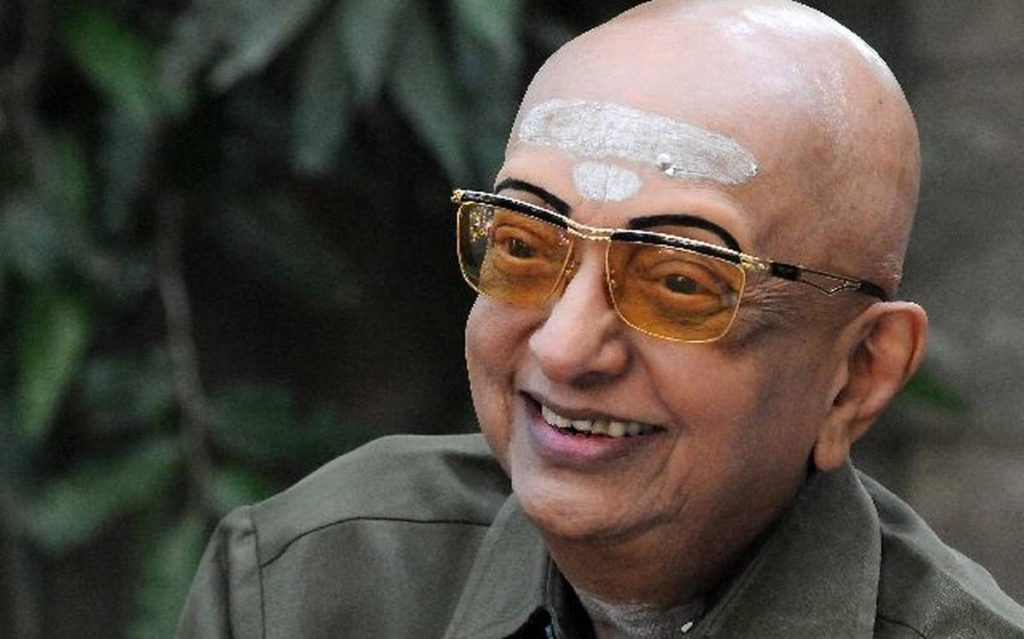
Cho Ramaswamy: India’s classical satirist and liberal, 1934-2016

Cho Ramaswamy: India’s classical satirist and liberal, 1934-2016 Cho Ramaswamy: India’s classical satirist and liberal, 1934-2016 Cho once famously said: “I am against Communism because it is against the nature of man. A talented man cannot be asked to be satisfied with what a man totally devoid of talent is able to obtain from life. Communism makes machines of men.” Chandrasekaran Balakrishnan June 8, 2020 Indian Liberals During the nineteenth and the first half of the twentieth century, Madras, now Chennai, was the playground of conservative and liberal scholars, reformers and politicians.  The Madras Liberal League moderates had played an active role in the freedom movement and nation-building. They were all well-reasoned men and women, with sound knowledge of public affairs, believed in pragmatic reforms through constitutional methods, advocated principles of economic freedom, individual liberty, private property rights, free enterprises, rule of law, freedom, and universal peace.     Anabolic steroid pill, safe bodybuilding anabolic – heroes past and present pharma tren a100 proform cr 610 (# pctl55810) home weight system manuals, user guides, and other materials. Alas, after India’s independence in 1947, this diversity of thought gave way to one-sided discourse dominated by a few with muddled ideas of Fabian socialism and even murkier, Communism.  The few leaders who favoured putting into place institutional mechanisms and backed the rule of law, were pushed into the background. Even earlier, during 1930-1947, leaders and scholars whose views were genuinely liberal, found themselves marginalized in the mainstream debate and discourses of public policy.    Thus, the first 40 years of independence was democracy in motion, minus economic freedom. It was cynical to argue about individual liberty, private property rights, free enterprise and rule of law, all of which were part and parcel of the original Constitution adopted in 1950.  Towards the end of the 1960s, Tamil Nadu witnessed a major shift in politics away from the Congress regime. This was celebrated as a victory of the Dravidian movements, which allegedly championed social justice and empowerment of backward communities.  Interestingly, none of the Dravidian leaders were part of the freedom movement or believers in constitutional principles. Instead, they were all born out of hate speeches delivered against some or the other community, political parties and were basically, crude practioners of language politics, which pitched them against national integration and regional unity. Over the years, these anomalies were incorporated as film scripts by Dravidian parties, all in the name of social justice.  Amid these dangerous developments, which began in the late 1960s and early 1970s, there were hardly a well-reasoned thinker, scholar and political leader in Tamil Nadu, who could highlight the principles of liberalism embedded in the Indian Constitution.  Under such trying circumstances emerged a man of an entirely different persuasion, pitched against the dogmatic policies of the Communists, Socialists and the state control raj of the Congress and Dravidian parties in Tamil Nadu.  Cho Ramaswamy was a multi-faceted personality, a scholar, thinker and above all, a man opposed to the tyranny of Dravidian politics. He was among the few political analysts who had a fine balance of reason and logic. He used them to impact public policy with the help of humour, sarcasm and biting satire.  When India was at the peak of her socialist dictatorship under Indira Gandhi, Cho was drawn to the ideas of another liberal titan, C Rajagopalachari. Cho admired and met Rajaji in the 1970s. He also campaigned for the Swatantra Party and the Janata Party.   Srinivasa Iyer Ramaswamy or Cho was born on October 5, 1934, in then Madras in a well-respected lawyer’s family. He was popularly called Cho by his family, inspired by the ancient South Indian king, Raja Raja Chola. Cho completed his education in Chennai; school at Mylapore, intermediate from Loyola College, a B.Sc. Geography degree from Vivekananda College and a law degree from Madras Law College.  From 1957 to 1963, he practiced as a lawyer in the Madras High Court and was legal adviser to the T.T.K. & Co. group of companies in Chennai till 1978.  Cho wore many hats. He was a lawyer, an investigative journalist, writer, political analyst and commentator, editor of a popular Tamil weekly magazine, a powerful orator, author and parliamentarian. He combined these talents with being a cine actor, playwright, movie director and a socio-economic cum political analyst, who was appreciated by all, including his foes.  Cho Ramaswamy was nominated as MP to the Rajya Sabha from November 16, 1999, to November 16, 2005, and made his presence felt there. In his quest for exploration, he also did a stint as president of the Peoples’ Union for Civil Liberties in 1981-82.  According to senior journalist and publisher N Ram, Cho “was a lifelong conservative and never moved from being on the right of the political spectrum. He maintained his political conservatism all his life, choosing to judge governments at the Centre and in Tamil Nadu by their policy and performance on issues that mattered”.  Cho’s classic 1968 satirical play, Muhammad bin Tughlaq was a roaring success. He later turned it into a movie, which revealed the anatomy of a government in a democracy. His political magazine, Thuglak, launched in 1970, named after his celebrated play, became a classic of modern literature for political satire, writings, editorials, essays and cartoons. His editorials on issues of national interest were all scholarly, martialed on evidence and facts. Over the years, political satire took different forms in Thuglak. His interactions with readers was a celebrated event in Tamil Nadu over the next five decades. Happily, it continues to cast a spell five decades after its inception.  Cho was an unflinching critic of the Soviet Union and its model of central planning and socialism. He wrote scathing articles during the Indira Gandhi period on the murky world of socialism, pseudo-secularism and Communism. Cho once famously said: “I am against Communism because it is against the nature of man. A talented man cannot be asked to be satisfied with what a man totally devoid of talent is able to obtain from life. Communism makes machines of

Cho Ramaswamy: India’s classical satirist and liberal, 1934-2016 Read More »
Need to Rope in Private Sector Hospitals in the Fight against COVID

Need to Rope in Private Sector Hospitals in the Fight against COVID Need to Rope in Private Sector Hospitals in the Fight against COVID Chandrasekaran Balakrishnan June 1, 2020 Public Policy   Unprecedentedly, the world humanity has been at peril since the spread of the Coronavirus, which emerged first in Wuhan, China in December 2019, and it reminds us about the two World Wars and a host of plagues of the past. The initial attitudes of both China and the World Health Organization in communicating the massive spread of the virus were not impressive, despite the best use of their collective powers and advanced science and technology in identifying the deadly virus’s life cycle and nature of reproduction. The global community is in an abject condition fighting the tiny, yet deadly virus for the past six months and has become more fragile now than ever in human history. Authorities across the globe have responded varyingly depending upon the velocity of the virus spread and its sustainability and longevity.  The public health systems across the globe, even though with their limited resources, have become a machinery of warriors in the fight against COVID-19.The collaborative systems have become dynamic to save lives by preventing the spread. A health emergency like COVID-19 was a big blow to the public health system in a country like India in many ways more than the shortage of doctors, nurses, ventilators, masks, bed capacities, ICU, etc. But the actual realities are undermined to some extent. It is now close to four months since the first COVID-19 positive case was reported in India. Now, COVID-19 has gone beyond a metaphor testing the capacities of the government system in India. The public health systems in Indian States are in different stages of evolution and are far away from the capacity of handling emergencies like COVID-19. They are by and large not well equipped with the necessary medical equipment and thereby causing more mental stress to patients and medical staff. Nevertheless, the State’s health systems responded swiftly, despite their systemic limitations, to best handle the COVID-19 patients. But despite the best efforts to observe a complete lockdown, the number of COVID-19 positive cases have been significantly increasing in major populated States. Now, two months after the total lockdown forced by the Indian government to contain the pandemic, one of the pertinent questions arises is about its failure to engage private sector hospitals optimally. As on May 31, there are only 676 testing labs across the country, of which only 204 testing labsof private hospitals are approved and engaged by the Indian Council of Medical Research (ICMR) to conduct the testing. Given the growing number of COVID-19 positive cases in the country, especially in the major populated States, the number of private hospitals approved are nothing but a drop in the ocean. Private hospitals in India have 80 per cent of the available ventilators but are handling less than 10 per cent of the critical care for COVID-19.[1] All the private hospitals empanelled under the Ayushman Bharat Scheme—the State’s own health insurance scheme—have a huge capacity to complement the public health systems to effectively fight COVID-19. But the nexus between the National Health Mission and the private sector healthcare infrastructure seems to be completely underutilised at this very critical juncture. Efficiency and quality cannot improve without choices for services like healthcare in a country like India. There is neither a legal nor a logical basis for excluding private sector hospitals from the fight against COVID and allowing only government hospitals, despite their acute shortcomings, to treat the patients. The testing of patients for COVID-19 is still very low compared to many countries and one of the main reasons might be the failure of the Indian government to strategically engage the private sector hospitals. The most contested issue now India faces is the low level of testing of people who may have symptoms, which has not been taken seriously even now by the State authorities. It is evident from the global experience that early testing is imperative for containing community spread which otherwise could devastate the country more than any cyclone or an earthquake. Why is there no effort from the Union Government to bring out a comprehensive policy framework to engage private hospitals across the country to augment the efforts of public health systems in the fight against COVID-19? Without bringing out comprehensive guidelines for involving private hospitals and providing a level playing field with price parity under insurance schemes, different State governments have enforced their power and authority to use and misuse the facilities of private hospitals across the country, setting a bad precedent. Moreover, voices were raised from some quarters in the country for the nationalisation of private hospitals. But even doing it for the cause of COVID-19 would be suicidal to the vibrant private healthcare sector in the long-term perspective. Without unified guidelines of the Union Government, both the State governments and private hospitals have gone into a firefighting over the mode of operandi. Fighting COVID-19 is a peculiar challenge for all the State governments in India. Different State governments have enforced the colonial law, the Epidemic Diseases Act, 1897 or their own health emergency law in a hasty way to take over private hospitals and their medical staff. Uttarakhand was the first State to announce on March 24 that all private hospitals have to reserve 100 or more beds—at least 25 percent of beds—for COVID-19 patients, which essentially meant for government utilisation. Similarly, States like Chhattisgarh, Rajasthan and Madhya Pradesh issued orders that the entire private hospitals would be temporarily utilised by the governments for the treatment of COVID-19 patients; though, later Chhattisgarh withdrew its order. The Delhi government had issued an order to reserve at least 20 percent of beds for COVID-19 patients in private hospitals that have 50 or more bed capacity. The government also threatened private hospitals and issued a show-cause notice to a private hospital for refusing to admit patients. The Telangana State

Need to Rope in Private Sector Hospitals in the Fight against COVID Read More »

Structural Challenges in Reaping Demographic Dividends of India

Structural Challenges in Reaping Demographic Dividends of India Structural Challenges in Reaping Demographic Dividends of India Chandrasekaran Balakrishnan May 26, 2020 Public Policy As India is fighting the COVID pandemic and going through an unprecedented economic situation, the Prime Minister has envisioned to focus on five pillars for rebuilding the country. India’s youth is said to be the fourth pillar in rebuilding the country and achieving the dream of a “Self-reliant India”. Unfortunately, the Union Finance Minister’s series of announcements of economic packages has not included anything for the youth population to make them more productive and resourceful to achieve this dream. There has not been any encouraging trend either in the past six years. The General Budget for 2020–21, presented by the Union Finance Minister Nirmala Sitharaman on February 1, 2020, received mixed responses to skill development programmes for youth and reaping demographic dividends. The budget provision for skill development is Rs 3,000 crore. But according to KP Krishnan, former Secretary of the Ministry of Skill Development and Entrepreneurship, the total budget provisioned for skill development for the country, aggregated by two dozen Ministries and Departments of the Union Government, is about Rs 11,000 crore. This is a huge amount for creating an institutional structure for fulfilling the aspirations and skilling the youth, but unfortunately has been in a muddle. Now with the changing global scenario, it would be interesting to look at some of the policies of the government. The Centre had announced in the Budget that it will aim to tap the potentials of overseas opportunities “for teachers, nurses, para-medical staff and care-givers…” and special bridge courses in sectors like healthcare with equivalent certification matching with the receiving countries. It had also aimed to engage 150 higher educational institutions to impart apprenticeship embedded degree and diploma courses to make the youth employable. Surely, these are no less than piecemeal announcements for some quarters because they do not match with what India contributes to the labour force every year; around 5-7 million youth are entering the labour market without any formal education or vocational skills. One of the most vital factors in production is human resources which is still underutilised, despite being imperative to economic growth and development. One of the most talked-about subjects in the last two decades is the boon of demographic dividends that India has, but emphasis is not given to the process to impart vocational education and skill development to the youth, and the need to institutionalise it both in government and private institutions beyond the ITIs, ITCs, polytechnics and apprenticeships. Though, there have been several policy initiatives since 2008, the governments did not break from their stereotype and bureaucratic silos to gauge an effective institutional mechanism to deliver a competent labour force. It is even ironic that organisations like the National Skill Development Corporation and its Sector Skills Councils, National Skills Development Agency, National Skill Development Trust, etc. could not make much impact on the district-level even now. The issue is not with the funds and industry linkages but the transparency and accountability of institutions involved in the skill development programmes across the Ministries and Departments vis-à-vis the State and UT Governments. This is akin to the case of earlier experiments done in vocational education, which was a failed attempt. In 1988, the Government of India had launched a scheme for vocationalisation of school education, providing financial support to the State governments. Unfortunately, since early 2000, the Central Government has not been providing enough financial support to them with an institutional mechanism to standardise the curriculum and teacher education for the expansion of vocational education in the higher secondary level. Thus, since 1988, the scheme has only covered close to 10,000 schools with vocational streams and trained about less than a million students. The target set for 2020–21 is to cover 1500 vocational schools across the country to impart vocational education to a few lakh students.  According to a report of the Ministry of Skill Development and Entrepreneurship, “more than One Crore youth are being imparted skills training annually under various programmes of the Central Government.” Till December 2019, under Pradhan Mantri Kaushal Vikas Yojana, about 87 lakh youth were trained. However, the Ministry on March 3, 2020 announced in Parliament that it has trained only 73.47 lakh youth in the country till January 17, 2020. Out of which, 40.27 lakh youth were trained in short-term courses and 33.20 lakh youth were felicitated in recognition of prior learning with certification. This shows that we are still far away from achieving the targets of the Skill India Mission. Nevertheless, unlike the previous general budgets, this year’s Union Budget has added another flavour with “life skills” in the field of skill development, which is interesting and imperative for the youth at this juncture. In India, except for the CBSE system of education, no other education Boards seem to have a syllabus for life skills in school education. Indeed, in 1993, the World Health Organization (WHO) had developed Guidelines on “Life Skills Education for Children and Adolescents in Schools”. It includes 10 core life skills to be acquired for a healthy and balanced life for learning and living even in an extreme situation. They are self-awareness, empathy, critical thinking, creative thinking, decision making, problem solving, and effective communication, interpersonal relationship, coping with stress and coping with emotion. These life skills are not necessarily a mere classroom textbook learning but they can also be structured with suitable narratives along with activities for effective learning for all kinds of students including those who are unable to attend schools or any institutions. Several years ago, the Madurai based Aparajitha Foundation in Tamil Nadu had developed the above 10 core life skills into systematic module-based learning for school children of Class VI to Class XII with a narrative rendering videos of about 120 in total with simple examples and illustrations to educate children. Each “Tim Tim Taare” video has 45 minutes with 15 minutes for activities. These videos were distributed to thousands of schools across

Structural Challenges in Reaping Demographic Dividends of India Read More »

Forgotten Speeches of GK Sundaram – Part II

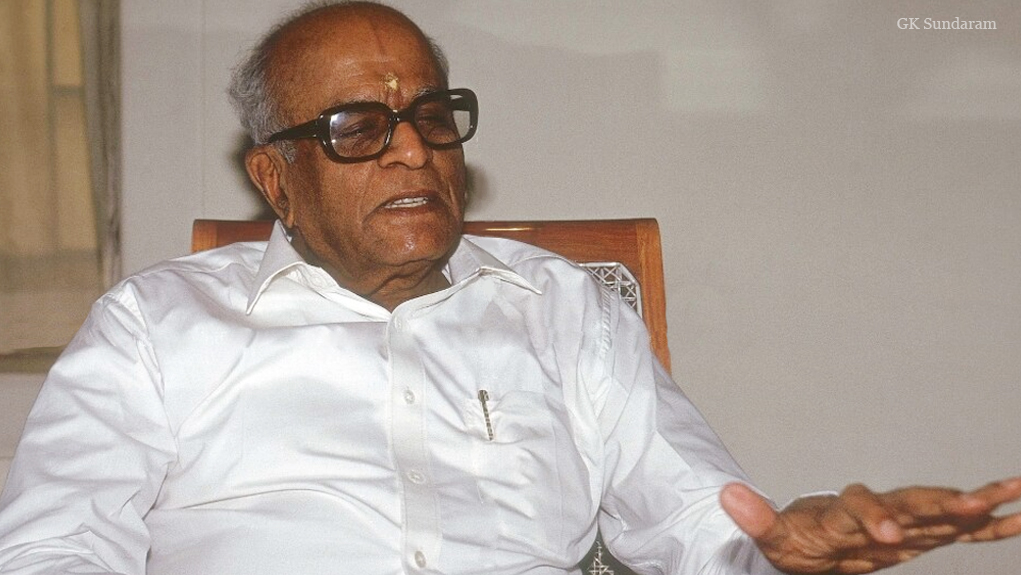
Forgotten Speeches of GK Sundaram –Part II Forgotten Speeches of GK Sundaram – Part II Sundaram had criticised The Monopolies and Restrictive Trade Practices Bill, 1967 on the ground that “The development of big installations and their economic production is very well known all over the country and even in our country in some of the public sector undertakings we are going in for bigger and bigger installations so as to be economic. All other countries the world over are going in for that whereas we are going in the other direction.” Chandrasekaran Balakrishnan May 18, 2020 Indian Liberals Editor’s Note: This is the second article in a two-part series highlighting the contributions of GK Sundaram as a Rajya Sabha member. Read the first part here. During India’s freedom movement, most leaders were united towards the goal of achieving peaceful political freedom from the British rather than socio-economic freedoms. It was thought that the later suitable internal arrangements would be made for socio-economic freedoms. It was thought that the external control over the nation posed far more threats to India’s wealth and natural resources. Few leaders seemed sympathetic to with the ideas of communism, Fabian socialism, and statist control regime, along with the freedom struggles. They clearly explained that it would be devastating to experiment with those ideas in Indian society because it would not be compatible with the traditions of shared wealth creation pursued for hundreds of years.  However, the entire discourse changed soon after the adoption of the Indian Constitution. Jawaharlal Nehru became supercilious and failed to listen to senior leaders like Sardar Vallabhai Patel, C Rajagopalachari, Ambedkar, CV Raman, Syama Prasad Mookerjee, among others on the matters of national security, science, social and economic policies.  In 2003, GK Sundaram (1914-2009) had chaired the Minoo Masani Memorial Lecture organised in Chennai by the Indian Liberal Group. N Vittal, a retired bureaucrat delivered the lecture titled “Corruption Mocking Liberalisation“. In his presidential address, GK Sundaram interestingly mentioned scandals and corrupt practices by Motilal Nehru and Jawaharlal Nehru in both pre and post-Independent India with clear evidence.  GK Sundaram emerged as a strong leader of the Swatantra Party from Coimbatore in Tamil Nadu. He was also a visionary entrepreneur and was professionally affected by the government policies which dictated the entire means of productions. Thus, he believed that government policies perpetuated the scarcity in India with hunger and poverty. According to him, the policies of the 60s and 70s did not address “the maladies of the economy such as increasing agricultural and industrial production, maintaining price stability and curbing inflationary pressures in the economy.” Sundaram had strongly warned the potential crisis of balance of payments which was mounting increasingly, and eventually, the crisis came in 1990, forcing the government to undertake significant economic reforms. Sundaram was nominated to Rajya Sabha from Swatantra Party from 1966 to 1972. He gave persuasive, stimulating and constructive speeches with alternative ideas and suggestions on finance bills, banking reforms, centralised planning, nationalisation of banks and insurance companies, international trade, economic development, infrastructure, controls on gold, import-export of capital goods, devaluation of the rupee, manufacturing, price controls on medicine, and black money, among other issues. He believed that an efficient way to improve productivity would be to increase prosperity in the country by fostering individual freedom, liberty, and free enterprises through the protection of private property rights. Sundaram opposed bank-nationalisation on the ground that there was “already enough experience in the country about the nationalised trade and also the nationalised life insurance business. These two are enough examples to show the inefficiency and the manner in which it has been functioning in our country for the past several years.” He raised several pertinent objections and argued that the provisions of the Banking Law (Amendment) Act 1969 were not followed when 14 banks were nationalised eight-months later. The government hastily took control and even failed to fully abide by the judgment of the Supreme Court of India.  He further noted that “at the end of 1969, twenty leading commercial banks accounted for 86 per cent of the banking business and they sanctioned additional credit limits to agriculture and other small-scale industries to the tune of Rs. 130 crores and Rs. 84 crores respectively. This is an indication of their earnestness in carrying out the directives of the Reserve Bank. We should also not forget that these commercial banks were forbidden from giving any loan to agriculturists all these years because it was considered to be risk lending.”  On the allegation of profiteering by banks, Sundaram argued that “Unwarranted charges have been levelled against the banking industry like the concentration of money, monopoly and these things. We should not forget that immediately after independence in 1949, the Banking Regulation Act was introduced. Ever since that no new bank has been licensed so far. We have created a monopoly as early as 1949. Is it their fault if consciously we have allowed them to monopolise?”  He further highlighted that “In the case of the fourteen banks that have now been nationalised, at the end of 1968, their total profits were only Rs. 6.64 crores. How did they make this profit? They had a total deposit of Rs. 2,741 crores on 31st December 1968, of which current deposits accounted for 25 per cent, savings bank 26 per cent and fixed deposits 49 per cent. They had only 9 per cent of the total advances in liquid cash. Whether the nationalised banks will do the work so economically and make the maximum use of the funds available with them and show such results is very doubtful.” He was particularly prescient in this case. For many years now, the central government recapitalises nationalised banks with thousands of crores of taxpayers’ hard-earned money.  Sundaram had warned that “So far the finances followed development. Now the government wants finance to lead the development. They have to take a much greater risk”. He also warned the potential negative impacts on the economy, “If the nationalised bank is going to deal with the small trader, small agriculturist,

Forgotten Speeches of GK Sundaram – Part II Read More »

Forgotten Speeches of GK Sundaram – Part I

Forgotten Speeches of GK Sundaram – Part I Forgotten Speeches of GK Sundaram – Part I About centralised planning for growth and development which was followed in India since independence, Sundaram observed that “Planning has been such in our country now that it is impossible to carry on any industry without transporting raw materials and goods from one end of the country to the far end of the country.” Chandrasekaran Balakrishnan May 12, 2020 Indian Liberals Editor’s Note: This is the first article in a two-part series highlighting the contributions of GK Sundaram as a Rajya Sabha member. Read the second part here. Soon after independence few dominant leaders were wary of the idea of individual freedom, liberty, private property rights, free enterprises, etc. leading to embark on economic freedom after achieving the political freedom from the British. Alas, leaders like Jawaharlal Nehru had expressed reluctance on the implementation of constitutional provisions of liberal principles which was agreed by all after due diligence of debate and discussions in the Constituent Assembly. This trend has continued for decades. Thus, the first fifty years of the Indian economy was ruined by the unwise experimentation of communism, socialism and statist control of means of production, including agriculture activities.  The dictates of Nehru’s economic policies were not expected out of the fruits of political freedom achieved after fighting for a hundred years and losing thousands of lives. Further, the statist raj policies continued in a completely hollowed manner in the sector after sectors merely for vested interests, and often high hand in the glow of politicians and bureaucrats. Indeed, this is how the entire classical liberal movements of both pre and post-Independent India are utterly killed and forgotten in the contemporary public policy debates, including academia.  Interestingly, few freedom fighters, thinkers and statesmen were united in shading the Congress’s single-party dominance and its dangerous path of mighty state intervention in the economy, centralised planning, nationalisation, the oppressed idea of cooperative farming, land ceiling in agriculture, among other things. Also, the quest was to reverse the national control raj of Nehru’s socialist and statist policies of license-permit quota raj; the Swatantra Party was formed in August 1959 by C Rajagopalachari or Rajaji, KM Munshi, Prof. NG Ranga, and Minoo Masani. The Swatantra Party premised that the government intervention should be less and more pragmatic level playing facilitator rather than involved in controlling the economy. The party believed that prosperity would be achieved only through fostering individual freedom, private property rights, and free enterprises.  Tamil Nadu branch of Swatantra Party was very active in the mobilisation of peoples’ supports to its policies. There were several frontline party leaders all across Tamil Nadu including in Coimbatore city with GK Sundaram. Sundaram was a close associate of Rajaji since the 1930s and participated in the freedom struggle. After the formation of the Swatantra Party, Sundaram played a significant role in taking up the policies of the party to the people of Tamil Nadu, even among the poorest. He explained to the people the causes of lack of economic growth and the reasons for years of scarcity of basic necessities like food grains.  Though, Sundaram lost as the Swatantra Party candidate for Coimbatore Lok Sabha constituency in the 1966 general election, he came second. However, six Swatantra Party members were elected to Lok Sabha from Tamil Nadu – C Muthuswamy, Gounder from Karur; MK Nanja, Gounder from Nilgiris; H Ajamal Khan from Periyakulam, SP Ramamoorthy from Sivakasi, Dr M Santosham from Tiruchendur, and S Xavier from Tirunelveli.  Rajaji had a strong faith in Sundaram’s vast knowledge and skills and his grasp of the issues of the Indian economy. Sundaram was a founding Member of Indian Liberal Group in 1964. He was also President of the Swatantra Party in 1974 before it was merged with Janta Party which emerged as a national alternative to the Congress. With support from other parties, Swatantra Party nominated Sundaram to the Upper House of (Rajya Sabha) the Indian Parliament for the period from 3 April 1966 to 2 April 1972. During the six years in Rajya Sabha, he had participated actively in almost all the major debates and discussions and contributed immensely. A look at his list of questions raised and speeches made gives us a unique insight into his wide-ranging knowledge on different subjects and his analytical thinking. He was a first-grade conservative economist in every sense of the term. Sundaram raised about 590 questions on the current issues and made speeches on the crucial subjects calling upon the attention of the governments to effect the necessary changes in their policies and programmes. He did not spare condemning the governments for their lack of poor thinking on country’s economic policies with too narrow views, without listing to the subject experts, the emerging international order, eradication of hunger and poverty. He was always concerned about poor people’s food security, education, healthcare, and employment.   In August 1969, Sundaram had fervently criticised Prime Minister Indira Gandhi – “She is learning economics and this economics student devalued our currency a few years ago, a thing which we cannot forget. It has gone down the pages of history as virtually having ruined the economy of the nation. The same Prime Minister is now in full control of the economy of the nation.” About centralised planning for growth and development which was followed in India since independence, Sundaram observed that “Planning has been such in our country now that it is impossible to carry on any industry without transporting raw materials and goods from one end of the country to the far end of the country.”  Further, he vividly noted that “So much of capital has been invested” without the decentralised planning in railways transportation in an integrated manner connecting the road transportation. Thus, Sundaram had suggested that “a clear cut policy between the road transport and the Railways” needed to increase the productivity of time and resources. While in Parliament he often stormed for the inefficiency of public sector enterprises on all-round and for

Forgotten Speeches of GK Sundaram – Part I Read More »

What Steers Tamil Nadu’s Higher Trajectory of Economic Growth?

What Steers Tamil Nadu’s Higher Trajectory of Economic Growth? What Steers Tamil Nadu’s Higher Trajectory of Economic Growth? Chandrasekaran Balakrishnan May 8, 2020 Public Policy The two Dravidian political parties in Tamil Nadu are at constant war with each other on alleged use and misuse of Dravidian ideology in the name of the welfare of its people, Tamil language and delivery of various welfare schemes. Hindi hate speech and appeasement of minorities for votes are the two most contested politics of Tamil Nadu for the last half of the century. Unlike other states in the south and west, the politics of Tamil Nadu has been studied by too many, while its economy is not studied by many for no good reasons. However, despite their divisive polity, a competitive spirit can be seen among the leaders across the political spectrum towards inclusive development and growth of Tamil Nadu. At times, it is astonishing to see a sustained progress of the Tamil Nadu economy compared to other states in India. What drives Tamil Nadu is its core competence and capacities of sectors like healthcare and nutrition, education and entrepreneurship which are the main ingredients of the State’s sustained high growth trajectory. The average growth rate in the two decades following liberalisation was 7 per cent per annum. Trajectory of Growth In recent years, the State has been continuously facing calamities such as Chennai Floods in 2015, Vardah cyclone in 2016, a severe drought followed by Ockhi cyclone in 2017, Gaja cyclone in 2018, drought and water crises in 2019 and now the COVID-19 pandemic has hit the State badly. The government still gets lesser allocation under the State Disaster Relief Fund from the Union Government. Nevertheless, the Tamil Nadu economy has been showing a stable trajectory of growth during the last few years, even though the current political establishments are often caught up in corruption and scandals. During the period from 2011–12 to 2015–16, the AIADMK government had managed to secure an average growth rate of 6.7 percent as against the national average growth rate of 6.9 percent. The second term of the AIADMK, i.e., the last three years (2016–17 to 2018–19) witnessed an average GSDP (Gross State Domestic Product) growth rate of 7.7 percent which is impressive and 0.23 percent higher compared to the Indian economy (7.4 per cent). The projected GSDP growth rate for 2019–2020 is 7.3 percent compared to the 5 percent growth rate for the Indian economy, which shows a significant difference of 2.3 percent. Tamil Nadu is ranked first among the states in terms of the highest number of factories and industrial workers. Also, the State is ranked second in terms of employment generation in the organised sector. Sector-wise Contribution to GSDP The State’s primary sector which includes agriculture and allied activities contributes 11.8 percent to the GSDP. Also, Tamil Nadu has a dynamic manufacturing sector, comprising textiles, leather products, automobiles, pharmaceuticals, chemicals, engineering, agro-based products and food processing, etc, significantly contributing to the national economy. The State’s secondary sector’s GSDP share is 36.0 percent. During the last two decades, Tamil Nadu has been witnessing thriving trends in the services sector by value addition as well as employment generation with IT and ITeS, electronic hardware, banking, financial services, healthcare, tourism, etc. growing dynamically. The tertiary sector’s GSDP share in the State economy is 52.2 percent. The State is capable of financing the targeted welfare schemes for improving the living standards of people as the treasury yields higher revenue from a higher trajectory of economic growth. One of the sources of higher income for the State is the sale of liquor, which also creates social disruptions in terms of loss of income and health hazards to millions of poor families. Still, the State spends beyond its income keeping a revenue deficit of Rs 25,071 crore. Strong Foundation of Infrastructure The key strengths of the State are premised on its strong foundation of both social and physical infrastructure which paves for diversification of sectors by taking advantage of human resource capital for continuous progress and revenue generation to improve social development. Tamil Nadu has a well-developed infrastructure with good road and rail network connectivity. The State has three major ports, fifteen minor ports and seven airports for moving goods and services as well as people from one point to another within a matter of a few hours. Trichy, a tier-two city, is emerging as the fastest growth centre with transformations including a massive expansion of its airport with Rs 950 crore investments, which is a first of its kind in the country. Moreover, the State has leading higher and technical education and research institutions which strive for the next generation of industrial growth. Tamil Nadu has also been building robust industrial training and technical institutions with multi-skill development centres collaborating with industries for a sustainable industrial growth and to achieve productivity having the right mix of skilled and competent human resources. State’s Policy Initiatives The State machinery is continuously working closely with subject experts in the industry across the sectors to take advantage of the emerging trends at the national and international levels for reaping the benefits of markets without a loss in employment generation. The policy initiatives in sectors such as Business Facilitation for ease of doing business, New Information and Communication Technology, Aerospace, Defence, Solar Energy, New Integrated Textiles, Promotion of Farmer Producer Organisations and Treated Waste Water Reuse intending to reduce dependence on freshwater and to prevent pollution of water bodies, Electric Vehicles, etc are aimed at sustainable approaches to achieve inclusive growth and development. Tamil Nadu is also working to introduce a new industrial policy to provide incentives to the MSME sector which is facing critical challenges after the implementation of GST. Out of the 68 working PSUs (Public Sector Undertakings) in the State, only 39 are making profit and 25 are loss-making units with an incurred loss of Rs 9,366.31 crore for the year 2016–17 alone, as per the CAG report released in

What Steers Tamil Nadu’s Higher Trajectory of Economic Growth? Read More »

அமைதி வழியில் அரசியல் புரிந்த மாமேதை பி.எஸ்.சிவசாமி அய்யர் (1864-1946) | பா.சந்திரசேகரன்

அமைதி வழியில் அரசியல் புரிந்த மாமேதை பி.எஸ்.சிவசாமி அய்யர் (1864-1946) | பா.சந்திரசேகரன் அமைதி வழியில் அரசியல் புரிந்த மாமேதை பி.எஸ்.சிவசாமி அய்யர் (1864-1946) | பா.சந்திரசேகரன் Chandrasekaran Balakrishnan April 27, 2020 Tamil Articles முத்திரை பதித்த பல அரசியல்தலைவர்களை இந்திய சுதந்திரப் போராட்டம் உருவாக்கியது. அவர்களுக்கு உந்துகோலாக இருந்ததுமுழு சுதந்திரம் அடைய வேண்டும் என்ற தேசப்பற்றுதான். இந்தியர் என்கிற ஒற்றுமைதான்.அன்றி, எந்த ஒரு இனமோ, மதமோ, சாதியோ அல்ல. சுதந்திரப் போராட்ட அரசியல் தலைவர்கள் சிலர்ஆங்கிலேய அரசை எதிர்த்து நேரடியாகக் கிளர்ச்சி செய்து பல்வேறு மாற்று முயற்சிகளைச்செய்து வந்தார்கள். அதே சமயம் சில அரசியல் தலைவர்கள் ஆங்கிலேய அரசின் ஆதிக்க ஆட்சிமுறையை மாற்ற அரசின் பணிகளை ஏற்று உள்ளிருந்துபல்வேறு வரலாற்றுச் சிறப்பு மிக்க சீர்திருத்தத்தைக் கொண்டுவந்துள்ளார்கள். இந்த இரண்டாவது ரக அரசியல்தலைவர்கள் அப்பொழுது மிதவாதிகள் என்று அழைக்கப்பட்டார்கள். இவர்கள் அரசுக்கு எதிராகக்குரல் கொடுப்பவர்கள், ஆனால் நேரடியாகப் போராட்டத்தின் மூலம் செயல்பட விரும்பாதவர்கள்.இவர்கள் கல்வி மூலம் விழிப்புணர்வு ஏற்படுத்தி அரசியல் சாசன முறையில் சுதந்திரம் பெறவேண்டும்என்று எண்ணினார்கள். இவர்கள் ஆங்கிலேய அரசின் கொடுங்கோல் ஆட்சியை எழுத்துப்பூர்வமாகஎதிர்க்க வேண்டும்; எவ்விதத்திலும் வன்முறையோ உயிர்ச் சேதமோ ஏற்படாமல் போராட வேண்டும்என்று வலியுறுத்தினார்கள். ஆங்கிலேய அரசுக்கு எதிராக நேரடியாகக் கிளர்ச்சி மற்றும்போராட்டத்தின் மூலம் முத்திரை பதித்த அரசியல் தலைவர்களுக்கு சற்றும் குறையாத வகையில்பல மிதவாத அரசியல் தலைவர்கள் அரசியல் சாசனம் மூலமாக ஆக்கப்பூர்வமான பணிகளைச் செய்துள்ளதைவரலாற்று ஆய்வில் நாம் காணமுடிகிறது. அப்படிப்பட்ட சில தலைவர்கள் அன்றைய மெட்ராஸ் மாகாணத்தில்கொடிகட்டிப் பறந்துள்ளார்கள். அந்த வகையில் பழமானேரிசுந்தரம் சிவசாமி அய்யர் முற்போக்கான கொள்கைகளை ஆதரித்த ஒரு முக்கியத் தலைவர். பெரும்பாலும்அவர் பி.எஸ்.சிவசாமி அய்யர் என்று அழைக்கப்பட்டார். மகாத்மா காந்தி, பாலகங்காதர திலகர்காலத்துக்கு முன்னர் மிதவாத காங்கிரஸ் வாதியாகவும், நல்ல தேசிய வாதியாகவும் திகழ்ந்தவர்சிவசாமி அய்யர். இந்திய சுதந்திரப் போராட்டத்துக்கு சிவசாமி அய்யர் ஆற்றிய பங்களிப்புஆக்கபூர்வமானது. அவர் பொதுவாழ்வில் ஆற்றிய மகத்தான பணிகள் எண்ணற்றவை. அன்றைய இந்தியாவின்புகழ்பெற்ற சட்ட அறிஞராக அவர் விளங்கினார். கல்வித் துறையிலும் இந்தியப் பாதுகாப்புத்துறையிலும் பல்வேறு தளத்தில் புகழ் பெற்றவராகத் திகழ்ந்தார். ஒரு ஸ்டேட்ஸ்மென் என்றுஅனைவராலும் பாராட்டப்பட்டவர் அவர். சிவசாமி அய்யர் மகாத்மாகாந்தி பிறப்பதற்கு ஐந்து வருடங்களுக்கு முன்பு இன்றைய தமிழ்நாட்டில் தஞ்சாவூர் மாவட்டம்திருக்காட்டுப்பள்ளி அருகிலுள்ள பழமானேரி கிராமத்தில் பிப்ரவரி 7ம் தேதி 1864ல் மூத்தமகனாகப் பிறந்தார். அவருக்கு மூன்று இளைய சகோதரர்கள் மற்றும் இரண்டு சகோதரிகள். சிவசாமிஅய்யர் தனது ஆரம்பக் கல்வியை எஸ்.பி.ஜி கோட்டை பள்ளியிலும் உயர்நிலை பள்ளிக் கல்வியைமானம்புசாவடி உயர்நிலைப் பள்ளியிலும் பயின்று 1877ல் மெட்ரிக்குலேசன் தேர்வில் முதல்வகுப்பில் தேர்ச்சி பெற்றார். பிறகு கும்பகோணம் அரசினர் கலைக் கல்லூரியிலும், மெட்ராஸ்மாநிலக் கல்லூரியிலும் இளங்கலைக் கல்வியை 1882ல் முடித்தார். பிறகு அவர் மெட்ராஸ்மாநிலக் கல்லூரி வளாகத்திலேயே செயல்பட்ட அரசு சட்டக் கல்லூரியில் சேர்ந்து சட்டம் பயின்று1885ல் வழக்குரைஞராக 21 வயதிலே தனது வக்கீல் பணியைத் துவங்கினார். முதலில் அவர் வழக்கறிஞர்ஆர்.பாலாஜி ராவ் என்பவரிடம் தொழில் பழகுநராகச் சேர்ந்து பயிற்சி பெற்றார். 1893ல் தனதுதந்தை இறந்த பிறகு குடும்பப் பொறுப்பை ஏற்றுக்கொண்டு, அதே வருடம் மெட்ராஸ் சட்டக் கல்லூரியில்உதவிப் பேராசிரியராகப் பணியில் சேர்ந்து 1899ம் ஆண்டு வரை பணியாற்றினார். பிரிட்டிஷ்இந்தியாவின் ‘வெள்ளி நாக்கு’ (சில்வர் டங்) என்று போற்றப்படும் வி.எஸ்.ஸ்ரீனிவாசசாஸ்திரி, சிவசாமி அய்யரிடம் சட்டம் பயின்ற மாணவர் என்பது குறிப்பிடத்தக்கது. வழக்குரைஞராக சிவசாமிஅய்யர் மெட்ராஸ் மாகாண உயர் நீதிமன்றத்தில் சிறப்பாகப் பணியாற்றினார். அவர் 1883 முதல்1907 வரை மெட்ராஸ் சட்டச் செய்தி இதழின் (Madras Legal Journal) இணை ஆசிரியராக இருந்தார்.அவர் 43து வயதில் 1907 முதல் 1912 வரை மெட்ராஸ் மாகாண தலைமை வழக்கறிஞர் அதாவது அட்வகேட்ஜெனரலாகப் பணியாற்றினார். மெட்ராஸ் உயர் நீதிமன்றவழக்கறிஞர்களுக்கான சங்கத்தை சிவசாமி அய்யர் 1889ம் ஆண்டு உருவாக்கினார். பல முக்கியபுகழ்பெற்ற வழக்கறிஞராகத் திகழ்ந்த அல்லாடி கிருஷ்ணசாமி அய்யர் போன்றோர் சட்ட நுணுக்கங்களில்சிவசாமி அய்யரிடம் ஆலோசனை பெற்றார்கள் என்பது குறிப்பிடத்தக்கது. சட்டத்துறையில் சிறந்துவிளங்கிய அவர் 1904 முதல் 1907 வரை மெட்ராஸ் மாகாணத்தின் சட்டமன்ற உறுப்பினராக (எம்.எல்.சி)தேர்ந்தெடுக்கப்பட்டார். பிறகு கவர்னர் நிர்வாக கவுன்சில் உறுப்பினராக 1912 முதல்1917 வரை பதவி வகித்தார். முதலாம் உலகப் போர்க் காலத்தில் இந்தியத் தொண்டர் இயக்கத்தைஉருவாக்கி ஆதரவளித்தார் சிவசாமி அய்யர். மிண்டோ மார்லி சீர்திருத்தத்தின் கொள்கையான,படிப்படியாக அரசியல் சாசனச் சீர்திருத்தத்தைக் கொண்டுவரும் திட்டத்தை ஆதரித்த இந்தியமிதவாதிகள் கட்சியின் தலைவராக 1919ல் மற்றும் 1926ல் தேர்ந்தெடுக்கப்பட்டார். ஐ.நாசபைக்கு முன்பு இருந்த ‘லீக் ஆஃப் நேஷன்ஸ்’1922ம் ஆண்டு நடத்திய மூன்றாவது கூட்டத்தொடரில் இந்தியாவின் சார்பாக சிவசாமி அய்யர்கலந்துகொண்டு, இந்தியா சுதந்திரம் அடைய வேண்டியதன் அவசியம் குறித்து விரிவாக எடுத்துரைத்தார். மெட்ராஸ் பல்கலைக்கழகத்தின்செனட் உறுப்பினராக 1898ல் சிவசாமி அய்யர் முதல் இந்தியராக நியமிக்கப்பட்டார். அதே ஆண்டுபல்கலைக்கழகத்தில் ஆய்வாளராகவும் (Fellow) இருந்தார். அவர் 1916 முதல் 1918 வரை மெட்ராஸ்பல்கலைக்கழகத் துணை வேந்தராகவும் பிறகு 1918 முதல் 1919 வரை வாரணாசியில் உள்ள பனாரஸ்இந்துப் பல்கலைக்கழகத்தின் துணை வேந்தராகவும் பணியாற்றினார். வி.கிருஷ்ணசாமி அய்யர்சென்னையில் சமஸ்கிருதக் கல்லூரியைத் துவங்கினார். அந்தக் கல்லூரியின் தலைவராக முப்பதுஆண்டுகளுக்கும் மேலாக இருந்தவர் சிவசாமி அய்யர். பள்ளியிலும் மற்றும் கல்லூரியிலும்மாணவர்களுக்குத் தாய் மொழியில்தான் கல்வியைக் கற்றுக்கொடுக்க வேண்டும் என்பதில் ஆழமாகத்தனது எழுத்துக்கள் மற்றும் பேச்சாற்றல் மூலம் எடுத்துரைத்தார் சிவசாமி அய்யர். சட்டம்,சமூகம், அரசியல், பொருளாதாரம், இராணுவம், பன்னாட்டுச் சட்டம் போன்றவை பற்றிப் பல ஆய்வுக்கட்டுரைகளை எழுதியுள்ளார் அவர். அவருடைய சொந்த ஊரான திருக்காட்டுப்பள்ளியில்இருந்த சிறிய பள்ளி ஒன்று கடுமையான நிதி நெருக்கடியில் இருந்த போது, 1906ம் ஆண்டு அந்தப்பள்ளியை முழுவதுமாகத் தன் சொந்த நிதியின் மூலம் உயர்த்தினார். அந்தப் பள்ளி இன்றும்சர்.பி.எஸ்.சிவசாமி அய்யர் மேல்நிலைப் பள்ளி என்ற பெயரில் செயல்பட்டு வருகிறது. அவர்இருக்கும் வரை அவருடைய பெயரை அந்தப் பள்ளிக்கு வைக்க அவர் அனுமதிக்கவில்லை. அன்றைக்குஇந்தப் பள்ளிதான் சுத்தியிருக்கும் ‘பதினெட்டு’பட்டிக்கும் ஒரே பள்ளியாகத் திகழ்ந்தது. பெண்கள் படிக்க வேண்டும்என்பதைத் தீவிரமாக வலியுறுத்தியவர் சிவசாமி அய்யர். இன்று சென்னை மைலாப்பூரில் அமைந்துள்ளலேடி சிவசாமி அய்யர் மகளிர் மேல்நிலைப்பள்ளி அப்பொழுது தேசிய பெண்கள் உயர்நிலைப் பள்ளிஎன்று 1930ல் இயங்கிவந்தது. இந்தப் பள்ளியின் வளர்ச்சி குன்றியபோது, சிவசாமி அய்யர்தலைமையேற்றுப் பல ஆயிரம் ரூபாய் நன்கொடையாக அளித்து, அந்தப் பள்ளியை மேல்நிலைப் பள்ளியாகஉயர்த்தினார். அவர் உயிரோடு இருக்கும் வரை அவரது மனைவியின் பெயரை அந்தப் பள்ளிக்குவைக்க மறுத்துவிட்டார். இந்த இரண்டு பள்ளிகளிலும்அவர் நூலகத்துக்கு என்று தனிக் கவனம் செலுத்தினார். மிகச்சிறந்த பழமையான மற்றும் புதியநூல்களையெல்லாம் திரட்டி மாணவ மாணவிகள் சிறந்த கல்வியைப் பெறவேண்டும் என்பதில் ஆர்வமுடன்செயல்பட்டார். இந்த இரண்டு பள்ளிகளும் இன்று வரை சிறப்பான கல்விக் கூடங்களாக விளங்குகின்றன.1939ம் ஆண்டு அவரது மனைவி இறந்த பிறகு, தான் வசித்த மைலாப்பூர் வீட்டை விற்று, அந்தப்பணத்தைப் பள்ளிகளுக்கு நன்கொடையாக அளித்துவிட்டு, வாடகை வீட்டில் குடியேறினார் சிவசாமிஅய்யர். சென்னை விவேகானந்தா கல்லூரிக்கும் மற்றும் சம்ஸ்கிருத கல்லூரிக்கும் அவர் அளித்தநன்கொடைகள் பற்றி அவர் இறந்த பிறகுதான் பலருக்கும் தெரியவந்தது. சிவசாமி அய்யர் 1931ல்இந்திய ராணுவ கல்லூரிகளுக்கான குழுவில் உறுப்பினராக இருந்தார். இம்பீரியல் லெஜிஸ்லேடிவ்கவுன்சில் உறுப்பினராக 6 ஆண்டுகள் (1921-1923 மற்றும் 1924-1926) இருந்தபோது 1921ல்சிவசாமி அய்யர் பதினைந்து அம்சங்களைக் கொண்ட அத்தீர்மானத்தில், இந்தியக் கடல் வணிகத்தைமேம்படுத்தி, கப்பல் பொறியாளர்கள், உயர் அதிகாரிகள் பணியிடங்களில் 25 சதவீதம் இந்தியருக்குவாய்ப்பளிக்க வேண்டும் குரல் எழுப்பினார். இன்றைய இந்தியக் கடல்சார் படிப்புகளுக்குஅவர் அன்று கொண்டு வந்த தீர்மானமே மூல வித்தாக அமைந்தது. மேலும் 1912ல் கோகலே அவர்கள்உறுப்பினராக இருந்த அன்றைய அரசுப் பணியாளர் தேர்வாணையத்திடம் இந்தியர்களுக்கு அனைத்துத்துறைகளிலும் வாய்ப்பளிக்க வேண்டும் என்று கோரிக்கை வைத்தார். இந்திய ராணுவத்தைப் பற்றிமிகுந்த அக்கறையோடு பல கேள்விகளை இம்பீரியல் லெஜிஸ்லேடிவ் கவுன்சிலில் பதிய வைத்தவர்சிவசாமி அய்யர். மேலும் இந்தியாவில் புதிய கல்வி நிறுவனங்களைக் கொண்டு வர வேண்டும்என வலியுறுத்தினார்.தமிழ் – ஆங்கிலப் பேரகராதி(Tamil Lexicon) தொகுக்கும் பணியை முன்னெடுத்த குழுவின் தலைவராக விளங்கியவர் சிவசாமிஅய்யர். அந்தக் குழுவின் மற்ற உறுப்பினர்கள்: உ.வே. சாமிநாத அய்யர், எஸ்.அனவரதவிநாயகம்பிள்ளை, எஸ்.குப்புசாமி அய்யர், ரி.ராமகிருஷ்ண பிள்ளை மற்றும் மார்க் ஹன்டர். சிவசாமி அய்யர் காந்திமேல்மிகுந்த மதிப்பும் மரியாதையும் வைத்திருந்தாலும் அவர் அறிவித்த போராட்டங்களில் நடந்தவன்முறையைக் கண்டு கடுமையாக விமர்சித்தார். மேலும், நேரு சோவியத் நாடுகள் பின்பற்றியகொள்கைகளைக் கண்மூடித்தனமாக ஆதரிப்பதையும் எதிர்த்தார். சிவசாமி அய்யர் அரசியலில்மிதவாதியாக இருந்ததோடு, மக்கள் சமூக நலனிலும் அக்கறை கொண்டிருந்தார். தனிநபர் சுதந்திரத்தில்சாதி வேற்றுமை கூடாதென்று கடுமையாக 1933ல் வாதாடியிருக்கிறார். ஆட்சி முறையைக் கட்டாயமாகப்பரவலாக்க வேண்டும் என்று வலியுறுத்தினார். இந்திய அரசியல் சாசனத்தில் அடித்தட்டு மக்களுக்குத்தகுந்த பிரதிநிதித்துவம் அளிக்கவில்லை என்றால் எந்த ஆட்சியானாலும் அது அநீதியும் கொடுங்கோன்மையும்கொண்ட ஆட்சியாகத்தான் இருக்கும் என்று அழுத்தமாக 1913ல் கூறினார் சிவசாமி அய்யர். சிவசாமி அய்யர் சிறந்தநூல்களையும் எழுதியுள்ளார். ‘எவல்யூஷன் ஆஃப் இந்துமாரல் ஐடியல்ஸ்’ (1935) என்ற தலைப்பில் கொல்கத்தா பல்கலைக்கழகத்தில்நிகழ்த்திய கமலா நினைவுச் சொற்பொழிவு மற்றும் மெட்ராஸ் பல்கலைக்கழகத்தில் ‘இந்தியஅரசியல் சாசன பிரச்சினைகள்’ (1928) என்ற தலைப்பில் அவர் நிகழ்த்திய வி.கிருஷ்ணசாமிநினைவுச் சொற்பொழிவுகள் போன்றவை பிரபலமானவை.நாடு சுதந்திரம் அடையபத்து மாதங்களுக்கு முன்பு அவர் தனது 82ம் வயதில் 1946 நவம்பர் 5ம் தேதி காலமானார்.அவருடைய தள்ளாத வயதிலும், இந்தியா மத அடிப்படையில் பிளவுபட இருப்பதை அறிந்து வேதனையுற்றுஇந்தியாவைத் துண்டாடுவதை எதிர்த்துக் கடைசி மூச்சுவரை குரல் கொடுத்தார் சிவசாமி அய்யர். Facebook Instagram X-twitter

அமைதி வழியில் அரசியல் புரிந்த மாமேதை பி.எஸ்.சிவசாமி அய்யர் (1864-1946) | பா.சந்திரசேகரன் Read More »

GA Natesan: Liberal Scholar and Publisher

GA Natesan: Liberal Scholar and Publisher GA Natesan: Liberal Scholar and Publisher GA Natesan was the one who introduced Gandhi to Tamil Nadu and South India when Gandhi first visited Madras (now Chennai) in 1915 after returning from South Africa. It must be noted that C Rajagopalachari or Rajaji met Gandhi for the first time at GA Natesan’s home. For more than half of the century, Natesan was very close to Gandhi personally even before Gandhi returned to India. Still, he seldom agreed with his ideas and thoughts on politics and freedom struggles for varied reasons. Chandrasekaran Balakrishnan April 27, 2020 Indian Liberals For some pundits, it may not be so strange to take deep dive into history in distress to learn and understand the hue and cry of some of the current issues like the financial sector crisis in India or the Coronavirus pandemic. History is witness to great thinkers and scholars’ magnificent works which invariably help us to understand the history towards building better humanity in years to come but not without uncertainty. Alas, the epidemics of distorted history and some of the forgotten history of Indian economic thoughts have been the phenomenon for several decades even after the country’s independence. One of the forgotten classical liberal scholars and noted publisher in British India was Ganapathi Agraharam Annadhurai Aiyer Natesan in Madras Presidency.  He was called GA Natesan by many and had played an immense role in the first half of the twentieth century in a different capacity. He was noted classical liberal scholar, writer, journalist, publisher, politician, freedom-fighter, and educationist. He was publisher of nationalist books, pamphlets, monographs, journals, biographies, speeches, and writings of eminent leaders both in English and Tamil languages at much lower prices for more extensive circulation intended towards the national awakening through informed debate and discussion.  GA Natesan was the one who introduced Gandhi to Tamil Nadu and South India when Gandhi first visited Madras (now Chennai) in 1915 after returning from South Africa. GA Natesan was in contact with Gandhi since 1896 while he was studying in College in Madras. Gandhi stayed at his house from 17 April 1915 to 8 May 1915. It must be noted that C Rajagopalachari or Rajaji met Gandhi for the first time at GA Natesan’s home. For more than half of the century, Natesan was very close to Gandhi personally even before Gandhi returned to India. Still, he seldom agreed with his ideas and thoughts on politics and freedom struggles for varied reasons.  After Gandhi’s revolutionary passive resistance movements embarked against British Raj, GA Natesan left the Congress Party. He became the First General Secretary of National Liberal Federation of India, a Liberal Party founded in 1918 by VS Srinivasa Sastri and other like-minded liberals who believed and fought freedom movements through constitutional methods as envisaged by MG Ranade and Gokhale. Natesan was Secretary of Madras Branch of Liberal Party from 1922 to 1947 and had played a significant role in promoting liberal ideas among the educated class.  GA Natesan was born on 25 August 1874 in Ganapathi Agraharam village in Thanjavur district in Madras Presidency, now part of Tamil Nadu. He was schooled at Kumbakonam and went for his higher education at St. Joseph’s College in Tiruchirappalli. He completed his BA in 1897 from Presidency College, Madras. He lost his father when he was two years old and was brought up by his elder brother Vaidyaraman. The latter had a profound influence on him and sent him for higher studies to Glyn Barlow, an Irishman and well-known editor of Madras Times for an apprentice in journalism.  After a short period, GA Natesan joined his elder brother Vaidyaraman in press and publishing activities and founded a company called GA Natesan and Co. in 1897 as proprietor. Soon, along with his brother, he started a monthly journal called the “The Indian Politics”, edited by him. The journal advocated the use of constitutional reforms to attain freedom. In 1900, GA Natesan started another monthly journal called “The Indian Review” which was published and edited by him for about five decades till his death in 1949.  In a short period, the journal had become a voice of intellectuals on all significant public matters across India and England for its informative and instructive contents. The journal had literary reviews, illustrations, and sections on economy and agriculture among others. The journal had published materials on all major issue during the Indian Freedom struggle. It had a detailed analysis and included diverse opinions and commentary. Some of the early contributors to this journal were PS Sivasamy Aiyer, RC Dutt, Gokhale, CP Ramaswamy Aiyer, VS Srinivasa Sastri, V Krishnaswamy Aiyer, and Gandhi.  The Indian Review had a highly praised editorial note by GA Natesan. The note provided a comprehensive review of all aspects of national progress, reflecting Indian thinking and ups and downs of the freedom movement. The journal was published continuously even after Natesan’s death till 1962 by his family and then through different hands, finally ending publication in 1982. GA Natesan was the first person to publish a book on Gandhi in 1909 titled MK Gandhi: A Sketch of His Life and Work by HSL Polak. The publication house of GA Natesan and Co. published any content that could awaken the educated class in India to achieve freedom from the British through constitutional methods. GA Natesan had published most erudite and thought-provoking articles and books for several decades. Apart from his publishing business, GA Natesan had a versatile personality, and he actively participated in the freedom movement and discussions with elected officials of local and national governments. GA Natesan was nominated as Non-Official Member to the Council of States in 1923. He also served another term up to 1931. During his tenure as a Member of the Council of State, he served as Member of the Indian Delegation to the Empire Parliamentary Association in Canada in 1928. He was also a member of the Indian Iron and Steel Tariff Board in 1933-34.  GA Natesan served as Councillor in the Corporation of Madras

GA Natesan: Liberal Scholar and Publisher Read More »

COVID-19: Time to Review Governance Structure of Global Institutions?

COVID-19: Time to Review Governance Structure of Global Institutions? COVID-19: Time to Review Governance Structure of Global Institutions? Chandrasekaran Balakrishnan March 28, 2020 Public Policy A laboratory worker places a test tube containing a patient’s sample into a box during coronavirus detection tests in the virology research labs at UZ Leuven university hospital in Leuven, Belgium, on Friday, Feb. 28, 2020. China has kick-started a clinical trial to speedily test a drug for the novel coronavirus infection as the nation rushes therapies for those afflicted and scours for vaccines to protect the rest. Photographer: Geert Vanden Wijngaert/Bloomberg via Getty Images[/caption]   Today, most nations (over 196) of the world have declared an unprepared war against the coronavirus disease (COVID-19) which first erupted in the Wuhan city of China in December, 2019. This pandemic, a huge threat to humanity, is by far the biggest since the First World War and the Flu of 1918–1919. The outbreak has become a global phenomenon in a record span of time, posing the biggest threat to healthcare systems. The situation has become more frightening in the developing economies which are now strategically tweaked as emerging economies for reaping the market potentials which are not entrusted often in mutual interests. Global institutions like the United Nations (UN), the World Health Organization (WHO), etc. seem to have underestimated the menace erroneously for at least a few crucial weeks of January and February, 2020. These institutions failed to sense the spread of the virus and communicate it to the developing countries and the rest of the world to get prepared for taking necessary actions to prevent the spread. Of late, on 11 March, 2020, the UN had announced a state of emergency that sent shock waves across the world. Given the fragile system of functioning of the WHO during crises, it is really not surprising. The global institutions have at times misused their power leaning towards the West vis-à-vis East benefiting neither but resulting in their failure. Despite having many international organisations of governance and collective efforts and voices stretched after the World War II, the world does not seem to be united, breaking the egos of national interests of countries, for peace and prosperity in the larger interests of humanity. In the past, unprecedented events of ideological revolutionary leaning of nations, territorial disputes, cross-border terror threats, sharing of natural resources, economic depression, economic co-operation, climate change, technology revolution, space exploration, etc. have really tested the efficacy of global institutions’ resilience and manifestation of remedies beyond mere lip services rendered for the strategic nudge. This casts doubt on the ability of global institutions like the United Nations (UN) and its allied institutions like the World Health Organization (WHO), The World Bank Group, United Nations Development Programme (UNDP), Economic and Social Council (ECOSOC), etc. Besides, given their last three decades of experience in dealing with emergency situations, the best these institutions could do was merely document what had happened in the past rather than taking any efforts towards prevention of such events in the future. In the wake of the novel COVID-19 outbreak, some of the advanced economies like the United States, Spain, France, Italy, the United Kingdom, Europe, etc. were in the belief that they were prepared to face human sufferings and horrific deaths, but were unable to do so despite having the most advanced healthcare systems in the world. For the past several decades, almost every global institution is coercively controlled by these nations with their colonial mentality and preaching to the Third World Countries. The coronavirus outburst across the world is a strong case to assess the governance structure of the UN-funded institutions like the WHO, having 194 member states, which miserably failed to gauge the real situation in Wuhan city and Italy for several weeks after the massive outburst. During a pandemic, is it wise to divide the affected people according to their nationalities and deport them to their countries? Does it not further lead to the spread of the disease among millions of people? We should try to answer these questions and think of the possibility of setting up a powerful and well-equipped global institution with a good governance system that can support the medical treatment of people affected by diseases like COVID-19 in the same country where they work and live. History has taught us many lessons and we should learn from our past mistakes. Unlike in 2020, there was no influential global institution in 1918–19 to manage the Flu epidemic which rampaged and complicated world humanity during the First World War. Nevertheless, the world has changed since 1918. The Chinese government should have acted promptly and taken seriously the outbreak of coronavirus in the month of January 2020 itself, and communicated about the disease to the world much faster than their usual suspect mode without relying solely on the WHO. Siddharth Chandra and Eva Kassens-Noor’s 2014 research paper titled “The Evolution of Pandemic Influenza: Evidence from India, 1918–19” has scientifically documented the devastating pandemic of Spanish Flu of 1918–19 and its impacts on India. The data on peoples’ death were collected for a five year period from 1916 to 1920 covering 9 provinces like Assam, Bengal, Bihar and Orissa, Bombay, Central Provinces, Madras, Northwest Frontier Province, Punjab and United Provinces. They have estimated that about 10 to 20 million people died due to the Spanish Flu in 213 districts across 9 provinces in British India. Across the world, the death toll was between 20 and 50 million people. The study concludes that the entry point of the first wave of the disease and the time taken for calibrated efforts towards emergency management are crucial. A basic analysis of the study reveals that the focal point of a pandemic spreading across the country from the entry of its first wave needs to be studied for the future course of action which seems to be terribly missed out by both China and WHO in the case of COVID-19 outbreak. Perhaps, the world is divided

COVID-19: Time to Review Governance Structure of Global Institutions? Read More »

Paying for TN’s welfare budget: Growth projections are a pie in the sky

Paying for TN’s welfare budget: Growth projections are a pie in the sky Paying for TN’s welfare budget: Growth projections are a pie in the sky Chandrasekaran Balakrishnan March 20, 2020 Tamilnadu Economy The state budget has targeted social welfare to create a votebank for the DMK. But achieving overall state prosperity has been ignored.  Read in : தமிழ் The state finance minister, P Thiyagarajan delivered a welfare budget on March 18. But there was little in it to support projections on economic growth and tax buoyancy that would pay for the spending while keeping deficits under control. The budget is not aimed at increasing economic growth and development by leveraging or adding further economic and institutional infrastructures facilities in the state. Several major industrial development projects have been delayed. The broad focus areas highlighted in the budget do not support economic growth. Yet, the budget has projected that the nominal Gross State Domestic Product (GSDP) growth of Tamil Nadu will be 14.0% in 2022-23 and 14.0% in 2023-24. The goal is one trillion dollar economy by 2030. The budget forecasts some 25% growth in tax revenues to pay for welfare expenses and keep deficits under control. This can come only with high economic growth. The announcement made in the budget for setting up of new industrial parks in districts like Coimbatore, Perambalur, Madurai, Vellore, and Thiruvallur is not backed up with specific sector specialisation or tie-up with major industries houses. Growth estimations in the budget are too ambitious and do not match ground realities. The environment is not conducive for rapid economic growth. Economic growth will come from manufacturing and services sectors largely. But the MSME sector has been allocated a measly Rs 911.5 crore. Tamil Nadu has about five million MSMEs which accounts for an 8% share all-India and the third-highest in the country. The sector employs 10 million people (Male-7 million and Female-3 million). According to the Union MSME ministry, as of November 26, 2021, in the Udyam registration portal, 6.23 lakhs units were registered from Tamil Nadu, During the last two years’ pandemic period, the MSMEs sector was most hit by loss of employment, wealth generation, etc. The state budget failed to take into account the severe pains and financial stresses faced by this sector. The budget provision of Rs.100 crore for the Tamil Nadu Credit Guarantee Scheme for MSMEs is just not adequate. There is no indication at all in the state budget that the state has approved the pilot phase scheme on January 4, 2022, through which Rs 100 crore will be disbursed by the end of March 31, 2022. The allocation for industries department, which generates employment directly or indirectly, of Rs.3,267.91 crore is paltry. There is talk about boosting public infrastructure facilities to promote exports from the State with a target of $100 billion by 2030. But the budget has largely ignored this. Service sector has been ignored even more. The announcement made in the budget for setting up of new industrial parks in districts like Coimbatore, Perambalur, Madurai, Vellore, and Thiruvallur is not backed up with specific sector specialisation or tie-up with major industries houses. Except Perambalur, many of these districts already have industries. No fund allocation has been made for the development of parks. In the past, many such announcements were made with or without funds allocation but nothing happened even after years of demands from industries associations and entrepreneurs in the state. The overall allocation of Rs.20,400.24 crore for the Municipal Administration and Water Supply Department which covers more than 54% of the State population is not adequate given the acute shortage of quality urban infrastructure and services. The token amount of Rs 10 crore each allocated in the budget for newly created city corporations like Tambaram, Kanchipuram, Kumbakonam, Karur, Cuddalore, and Sivakasi serves little purpose. The following announcements made in the state budget for urban areas could address long pending structural issues. They can make a difference if implemented properly. State’s share of Rs 2,169 crore allocated for municipal solid waste management to improve sanitation under Swachh Bharat Mission 2.0 scheme of Union Government Rs 2,130 crore for projects of water supply and sewage management under the AMRUT Scheme of Union Government. The Outer Ring Road from Minjur to Vandalur with a length of 62 km proposed to be developed as a Development Corridor with the establishment of large-scale residential complexes, SIPCOT industrial parks, recreational spots, warehouses, horticulture parks, organic food processing zones, and plug-and-play facilities for industrial development along this corridor. Unless the state government rationalises power subsidies through a Direct Beneficiary Scheme, losses cannot be arrested The new scheme, Kalaignar Nagarpura Membattu Thittam, and Singara Chennai 2.0 have been allocated Rs 1,000 crore and Rs 500 crore, respectively. It is not clear how this scheme will be different from the ongoing smart city projects. It could be just that the ruling party wanted to have its own scheme though the budget has allocated Rs 1,875 crore for the Smart Cities Programme. Given the crisis of the power sector in the state, the budget did not talk about promoting alternative energy sources such as solar and wind. The state finance minister did say: “Tamil Nadu Generation and Distribution Company (TANGEDCO) is a matter of grave concern as it continues to incur huge losses every year”. But the budget bore 100% of Tangedco’s losses for the current year (2021-22) and further gave Rs 9,379 crore to reimburse the tariff subsidies being provided by the Government. Unless the state government rationalises the subsidies through a Direct Beneficiary scheme the losses cannot be arrested in the state. The budget announcement of loan waivers of Rs.4,131 crore would erode institutional morality and credit availability for dutiful citizens who repay on time. Loan waivers only give wrong ideas. In sum, the state budget has targeted social welfare to create a votebank for the DMK. But achieving overall state prosperity has been ignored. AI, blockchain, innovations, R&D, specialised recycling centres, eco-friendly processing systems and other cutting edge

Paying for TN’s welfare budget: Growth projections are a pie in the sky Read More »