Chandrasekaran Balakrishnan

Webinar on CAREERS IN URBAN MOBILITY

Webinar on CAREERS IN URBAN MOBILITY Webinar on CAREERS IN URBAN MOBILITY Chandrasekaran Balakrishnan February 4, 2025 events   Don’t Miss Out on the Next Big Career Opportunity! 📢 Webinar on Careers in Urban Mobility 🚀 📅 Date: February 28 | ⏰ Time: 5 PM 🎙️ Speakers:🔹 Alagappan Ramanathan – Development Goals Specialist, UNDP🔹 B. Chandrasekaran – Founder-Chairman, Agapuram Policy Research Centre 📌 Explore career opportunities in urban mobility and gain insights from industry experts! 🔴 Register Now!

Webinar on CAREERS IN URBAN MOBILITY Read More »

Deterioration of State Finances of Tamil Nadu

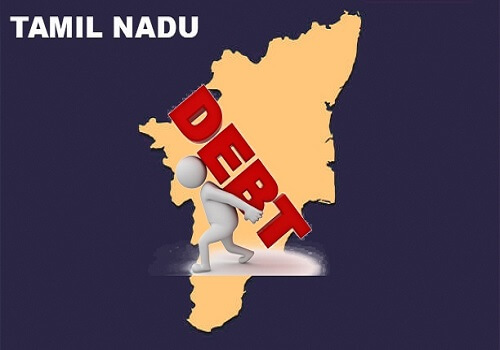
By B.Chandrasekaran Deterioration of State Finances of Tamil Nadu By B.Chandrasekaran Deterioration of State Finances of Tamil Nadu By B.Chandrasekaran Chandrasekaran Balakrishnan January 31, 2025 Economic Reforms, Public Policy, Tamilnadu Economy In recent years, the Government of Tamil Nadu’s steadily increasing overall debts and excess borrowings for financing the welfare programmes has sparked fierce debate among ruling party leaders and opposition leaders. The opposition leaders argue that despite increased tax collections, the state government has continuously borrowed loans for funding the welfare programmes alone and is not able to fund increased capital expenditures, which would help the state economy to also fund the urban civic infrastructure facilities and services that are lagging. During the last few years, the fiscal management of Tamil Nadu has increasingly become a concern. However, the ruling government has not accorded adequate attention to the worrying trend of rising fiscal debt. In this context, it is very pertinent to look at the recently released report of the Reserve Bank of India (RBI) on “State Finances: A Study of Budgets of 2024-25- Fiscal Reforms by States” in December, 2024, with respect to the state of Tamil Nadu. The report contains fiscal data for the years 2021-22 (actuals), 2022-23 (revised estimates), and 2023-24 (Budget Estimates) besides other key data. The RBI report highlights that the states should make efforts towards strengthening fiscal prudence with the following measures on priority: “State-specific Fiscal Responsibility Legislations (FRLs) along with tax and expenditure reforms have strengthened their finances over the past two decades. In view of high debt levels, contingent liabilities, and the rising subsidy burden, State government finances would benefit from the adoption of a risk-based fiscal framework with provisions for counter-cyclical fiscal policy actions; A prudent medium-term expenditure framework; A clear, transparent, and time-bound glide path for debt consolidation; and Enhanced data dissemination and communication policies, including on reporting of outstanding liabilities, off-budget borrowings, and guarantees. Strengthening of State Finance Commissions is also critical for ensuring adequate and timely fund transfers to local bodies.” DISCOM drags down Finances of Tamil Nadu The level of revenue deficit in States such as Haryana, Kerala, Punjab, Rajasthan, Tamil Nadu, and West Bengal witnessed a level much higher than the all-state average during the period of 2021-22 to 2023-24. With respect to Tamil Nadu, the revenue deficit for 2021-22, 2022-23, 2023-24 (RE) and 2024-25 (BE) were 2.2%, 1.5%, 1.7% and 1.6% in GSDP respectively. These are higher than all India levels. One of the major indicators of the deterioration of state financial health is the continuous losses incurred by the state electricity department and the failure to undertake institutional reforms apart from funding freebie schemes. According to the RBI Report, six states contribute 75% of the total national losses incurred by electricity distribution companies (DISCOMs) which amounts to Rs. 6.5 lakh crores (2.4% of GDP) by 2022-23. Tamil Nadu is one of six states with the largest share of 26% in national level losses, followed by Rajasthan (15%), Uttar Pradesh (15%), Madhya Pradesh (10%), Telangana (10%) and Maharashtra (5%). The RBI Study on State Finances-2023-24 observed that “Power distribution has strained State finances due to persistent operational inefficiencies and significant under-recoveries. Receipts from the power sector constitute less than a tenth of the corresponding revenue expenditure incurred by the States.” By March 2023, Tamil Nadu DISCOM reported losses of over Rs. 1.6 lakh crores. The major issues in the context of DISCOM finances highlighted are low tariff rates, high procurement costs of power, cross-subsidisation, and the dominance of State authorities which limits decision-making autonomy (Pinaki Chakraborty and Kaushik Bhadra, 2024). One of the remedies suggested by experts is to increase tariffs in electricity utility rates across different categories and reduce AT&D losses with smart meter systems and institutional reforms. In fact, analysis shows that more than a 50% increase in tariffs would be required in Madhya Pradesh, Tamil Nadu, and Rajasthan where tariffs are already higher than the national average. However, Tamil Nadu has linked tariff increases to inflation for automatic annual adjustments (MERC, 2023; TNERC, 2023). In order to finance the expenditures of states over and above the revenues, the state governments borrow loans. As per RBI Report, the net market borrowings of States rose by 38.2% to Rs.7.17 lakh crore in 2023-24, with Uttar Pradesh, Maharashtra, Tamil Nadu, Karnataka, Andhra Pradesh, Rajasthan, West Bengal, and Telangana amongst the major borrowing States. Also, States such as Madhya Pradesh, Maharashtra, Puducherry, Punjab, Rajasthan, Tamil Nadu, and Uttar Pradesh undertook re-issuances of loans during the year (2024-25). Overall, for the states with an increasing focus on capital expenditure, the ratio of revenue expenditure to capital outlay (RECO) of the States has seen a welcome decline from 6.3% in 2021-22 to 5.2% in 2024-25 (BE). Unfortunately, a state like Tamil Nadu has 7.3%, which is higher compared to states like Gujarat (2.9), Karnataka (5.5), Maharashtra (6.1), and Telangana (6.6). Total Revenues of Tamil Nadu Over the last three years period from 2022-23 to 2024-25, the overall revenue of Tamil Nadu increased by 22.7%. Similarly, the total tax revenues and Tamil Nadu‘s Own Tax revenues increased by 29.6% and 29.9% respectively during the same period (See Figure 1).                                                        Source: RBI Report on State Finances 2024-25 Capital Outlay and Expenditure The capital outlay of Tamil Nadu has not increased substantially over the last three years. The share of capital outlay in development expenditure has declined from 19.1% in 2022-23 to 18.6% in 2024-25 (BE). Figures 2 and 3 reveal the substantially decreased overall capital expenditure over the last three years. This shows the poor attention given by the state government during the period.                                                             Source: RBI Report on State Finances 2024-25      

Deterioration of State Finances of Tamil Nadu Read More »

Expansion of City Corporations and Municipalities Merely Does Not Guaranty Quality of Services and Facilities in Tamil Nadu

Expansion of City Corporations and Municipalities Merely Does Not Guaranty Quality of Services and Facilities in Tamil Nadu By B.Chandrasekaran Expansion of City Corporations and Municipalities Merely Does Not Guaranty Quality of Services and Facilities in Tamil Nadu By B.Chandrasekaran Chandrasekaran Balakrishnan January 28, 2025 Democracy and Institutions, Public Policy, Tamilnadu Economy, Urban Development As the nation embarks on Viksit Bharat@2047, its ambitious plan to make India a developed country by 2047, it is imperative that the country develops organically with the local bodies driving the economic development and also benefitting from it. If this opportunity is missed, the gains derived from the 73rd and 74th Constitutional amendments would dissipate. To this end, the second-generation institutional reforms of urban local bodies (ULBs) need to be taken up. Despite new initiatives like Smart City Mission, AMRUT, etc., the ULBs continue to face challenges in providing basic civic facilities like water supply, sanitation, urban public transport, all-weather road connectivity, stormwater and drainage, solid waste management, sewage, public sanitary facility, street lights, safety, and security, etc. Hamstrung by inadequate decentralisation, the local governments are unable to raise funds and channelise development projects to solve physical infrastructure facilities. Moreover, the funds allocated by the states are always disproportionate to the requirements and spending on developmental projects is scarce and riddled with quality issues. Status of Local Bodies in Tamil Nadu Take the case of Tamil Nadu, which envisions becoming a trillion-dollar economy by 2030. While the State is the most urbanised (53% population) in the country, the civic facilities that its cities and town offer to its residents are no different from any other poorly managed cities and towns in the country. The predominant reason is the lack of financial and administrative autonomy of the ULBs. The recent efforts to improve some of the services have also not yielded sustainable results. Given this background, the government of Tamil Nadu has recently announced proposals to expand the existing geographical coverage of urban ULBs limits by merging nearby municipalities into city corporations, town panchayats into municipalities, and village panchayats into town panchayats. Some of the major factors for the expansion of urban areas include increase in population, popular demand from people, and an increase in tax revenues. The following are the key announcements of the Government of Tamil Nadu’s Department of Municipal Administration through the issue of G.Os notified on 31st December 2024: Expansion of 16 municipal corporations including Greater Chennai, Coimbatore, Cuddalore, Dindigul, Erode, Karur, Hosur, Madurai, Salem, Tiruchirapalli, Tiruppur, Avadi, Kumbakonam, Thanjavur, Thoothukudi, and Sivakasi by annexing 4 municipalities, 5 town panchayats and 149 village panchayats; 41 municipalities including Tiruvarur, Tiruvallur, and Chidambaram, are to be expanded by annexing 1 town panchayats and 147 village panchayats; Formation of 13 new municipalities including Kanyakumari, Harur, and Perundurai; Formation of 25 new town panchayats including Yercaud, Kalayar Koil and Thirumayam; and Annexation of 29 village panchayats with 25 town panchayats. Advantages of Geographic Expansion Expansion through mergers increases land values thereby boosting the real estate and related sectors. The expanded city corporations and municipalities may get relatively higher fund allocation for improving the infrastructure development facilities and services. Decentralised regulation of planned development of the city at least on paper if not for implementation in letter and spirit. Disadvantages of Geographic Expansion The citizens of expanded ULBs may bear higher taxes for services like water, property tax, municipal waste disposal, etc. The expansion may result in parent ULBs being unable to cater to the needs of its newer territory. The newly added areas either continue with existing services or face neglect having lost its erstwhile independent identity. Incompatibility between the vision of the parent ULBs and the needs of the merging units. Issues with Expansion through Mergers Often ULBs are expanded for political reasons or to obtain approvals from the Centre for new projects, like metro train services, which require a particular size of population. Further, ULBs are already financially stressed and the state governments do not give adequate funds after the merger, aggravating their financial position. Furthermore, expansion through merger goes against the principle of local governance where small is considered beautiful. There is absolutely no need for mergers just to develop infrastructure, which may be developed as there are. Prerequisites for Expansion Any merger of ULBs should be done only after existing areas of an ULB achieve the desired levels of reasonable, minimum standards of urban infrastructure and quality of life. Further, a thorough study has to be made on the likely benefits and issues with prospective mergers from administrative, financial and other perspectives. If ULBs are really empowered through adequate decentralisation, mergers may be proposed by the ULBs themselves or, they may explore partnerships and sharing of resources without formal mergers. All the decision-making process has to be decentralised, moving closer to the local level and ward level for the participation of people. Only the technical aspects have to be decided at the state or regional level to support ULBs effectively and on timely. Anything on the contrary would create chaos as witnessed in big cities. like recent floods and inundations during regular monsoons. Several years ago, the scheme on Providing Urban Amenities to Rural Areas (PURA), a vision of Dr APJ Abdul Kalam, was implemented in a few states like Andhra Pradesh, Kerala, Maharashtra, Puducherry, Rajasthan, and Uttarakhand. It is a Public Private Partnership scheme with a clear framework for governments, state governments, the private sector, and local government to take advantage of improving facilities and services with 10 years of maintenance services. Why not try something like this new scheme to make our semi-urban and rural areas with all infrastructure facilities? B.Chandrasekaran is an Economist and Founder Chairman of the AgaPuram Policy Research Centre, Erode. Views expressed by the author are personal and need not reflect or represent the views of the AgaPuram Policy Research Centre.  

Expansion of City Corporations and Municipalities Merely Does Not Guaranty Quality of Services and Facilities in Tamil Nadu Read More »

Financial Health of Municipal Corporations in Tamil Nadu by B.Chandrasekaran

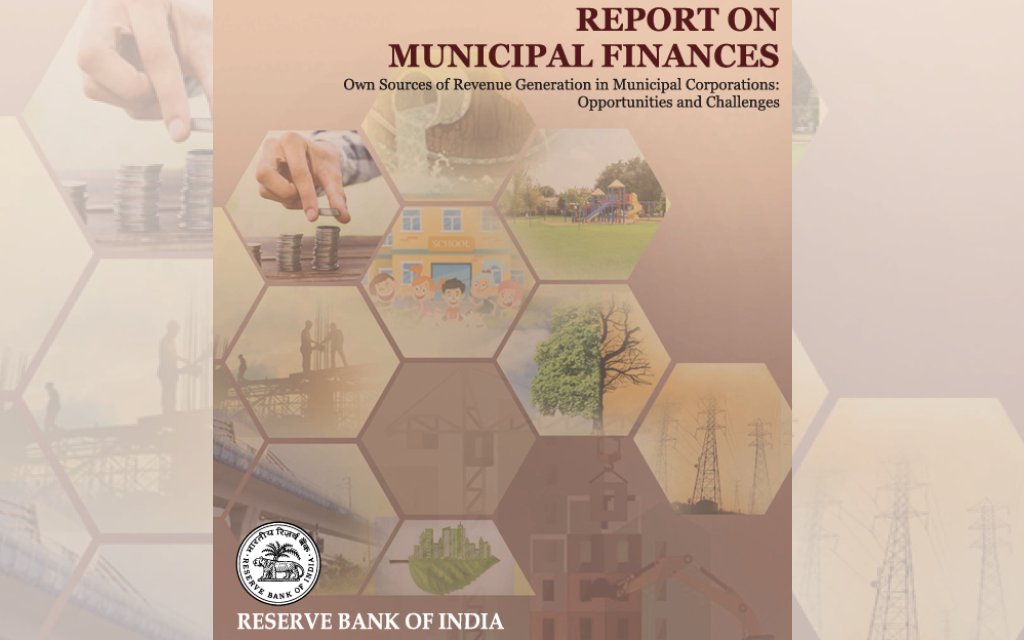
Financial Health of Municipal Corporations in Tamil Nadu by B.Chandrasekaran Financial Health of Municipal Corporations in Tamil Nadu by B.Chandrasekaran Chandrasekaran Balakrishnan January 3, 2025 Public Policy, Tamilnadu Economy, Urban Development Introduction The federal governance structure has envisaged a three-tier institutional mechanism for national, State-level, and local-level governance. While the system looks theoretically sound, the issue with the local bodies is that they exist only for elections, where political parties compete to have a maximum number of their members in office. Lacking institutional, administration, and financial autonomies and the associated responsibility and accountability, the local bodies exist as mere extensions of state governments with elected office-bearers having limited authority. One of the prime reasons for this unfortunate reality is the continuing colonial mindset, which promoted centralised governance. Contrary to the widely held belief that the rural local bodies (Village Panchayats) and urban local bodies (Town Panchayats, Municipal Corporations, and City Corporations) became functional only after the 73rd and 74th Constitutional Amendments, India has a long history of local governance, with panchayati system traced back to ancient vedic era. As for modern Indian references, Shri.VS Srinivasa Sastri, a freedom fighter and classical liberal thinker wrote a pamphlet titled “Self-Government for India-Under British Flag” in 1916, delineating the existence of local governance in India for long and listed 18 major subjects of local governance for administration and delivery of services for people’s welfare. Financial Autonomy of Local Bodies To exercise institutional autonomy, the local bodies need financial strength. An analysis of the financial status of the local bodies reveals the actual achievements and challenges of the local bodies. In this connection, the reports of Reserve Bank of India on the Municipal Corporations (MCs) and Panchayati Raj Institutions (PRIs), throw adequate light on their financial status and challenges. The latest RBI’s Report on Municipal Finances released on November 13, 2024, with the theme of “Own Sources of Revenue Generation in Municipal Corporations: Opportunities and Challenges” provides a first-of-a-kind analysis of the budgetary data for 232 municipal corporations (MCs), which covers more than 90% of total MCs in the country. The main findings are reproduced below: While the revenue account of the MCs has remained in surplus, their heavy reliance on transfers and grants from upper tiers of government continues. The own revenue sources are not adequate for meeting the revenue expenditure of most of the MCs, thereby affecting their functional and financial autonomy. Comprehensive reforms, including the adoption of technologies like GIS mapping and digital payments, rate rationalisation and their periodic revisions as well as better monitoring to plug leakages can help in the augmentation of their own source revenues. Key statistics The following are the key data reproduced from the report: MCs in Maharashtra, Gujarat, Karnataka, Madhya Pradesh, Haryana, and Telangana have surplus budget of above Rs.1,000 crore in 2023-24. MCs in Delhi, Andhra Pradesh, Rajasthan, Odisha, West Bengal, and Tamil Nadu have surplus budget of above Rs.100 crore. However, some MCs in Tripura, Jharkhand, Himachal Pradesh, Bihar, Chhattisgarh, Jammu and Kashmir, Uttar Pradesh, and Kerala have deficit budget, ranging from Rs.2 crore to over Rs.700 crore. Interestingly, Kerala, which is widely believed to have a strong local body system, has budgeted for a revenue deficit of Rs.789 crore for 2023-24. The revenues of MCs as a proportion of the revenues of the respective State governments vary widely. Delhi (34.5%), Maharashtra (14.1%), and Gujarat (7.8%). The revenue receipts of MCs amounted to 0.6% of GDP in 2023-24. Tax revenues are the largest source of revenue of the MCs (30%) followed by revenue grants, contributions, and subsidies (24.9%) and fees and user charges (20.2%). The ratio of MCs’ tax and non-tax revenue to the respective State government’s tax and non-tax revenue varied across States, indicating a vertical imbalance. Property taxes are a major source of own tax revenue of the MCs in India, constituting more than 16% of revenue receipts and more than 60% of their own tax revenue. The total expenditure of the MCs was at 1.3% of GDP. The revenue expenditure/GDP ratio hovered around 0.5 per cent of GDP, while the capital expenditure/ GDP ratio was 0.8%. The share of revenue expenditure in total expenditure was at 38.5% The proportion of capital expenditure in total expenditure for the MCs was 61.5% as compared with 24.8% and 21.4% for State governments and the Central government, respectively. The ratio of revenue expenditure to capital expenditure was 0.63 for the MCs as against 3.7 for the Centre and 3.0 for the States. Status of MCs in Tamil Nadu By the end of the financial year 2023-24, Tamil Nadu had a total of 21 MCs, up from 15 MCs in 2020-21. By mid of 2024-25, the state has 25 MCs. The own tax ratio of MCs in Tamil Nadu was 44.3% as compared to the highest level at 53.8% in Karnataka and 50.3% in Telangana. The MCs in Tamil Nadu were able to maintain the ratio of capital expenditure with more than 50% in 2023-24 (BE) like in Maharashtra, Andhra Pradesh, Telangana, Jharkhand, Uttar Pradesh, Odisha, and Bihar. The per capita capital expenditure of the MCs in Maharashtra, Uttar Pradesh, and Tamil Nadu exceeded the All-India level (Rs.11,532/-) during 2023-24. However, per capita spending by MCs in Tamil Nadu was far behind the level of Maharashtra. The ratio of Revenue Expenditure to Capital Expenditure in 2023-24 (BE) for MCs in Tamil Nadu was below the All-India Level (0.63). Also, Own Source Revenue as a Ratio of Revenue Expenditure (Average of 2020-21 to 2022-23) in Tamil Nadu was below the All-India Level. MCs’ Tax revenues increased by 10.28% to 44.27% in 2023-24 from 33.99% in 2019-20. Revenue expenditures for operations and maintenance increased by 7.29% to 34.72% from 27.43% during the same period. Tables 1 and 2 show the details of the same. Table.1: Revenue Receipts of Municipal Corporations in Tamil Nadu (Figures in %)     2019-20 Accounts) 2020-21 (Accounts) 2021-2022 (Accounts) 2022-23 (Revised Estimates) 2023-24 (Budget Estimates) A. Tax Revenue 33.99 31.13 34.26 45.61

Financial Health of Municipal Corporations in Tamil Nadu by B.Chandrasekaran Read More »

RTE: Nullifying notifications, amendments and intact provisions 

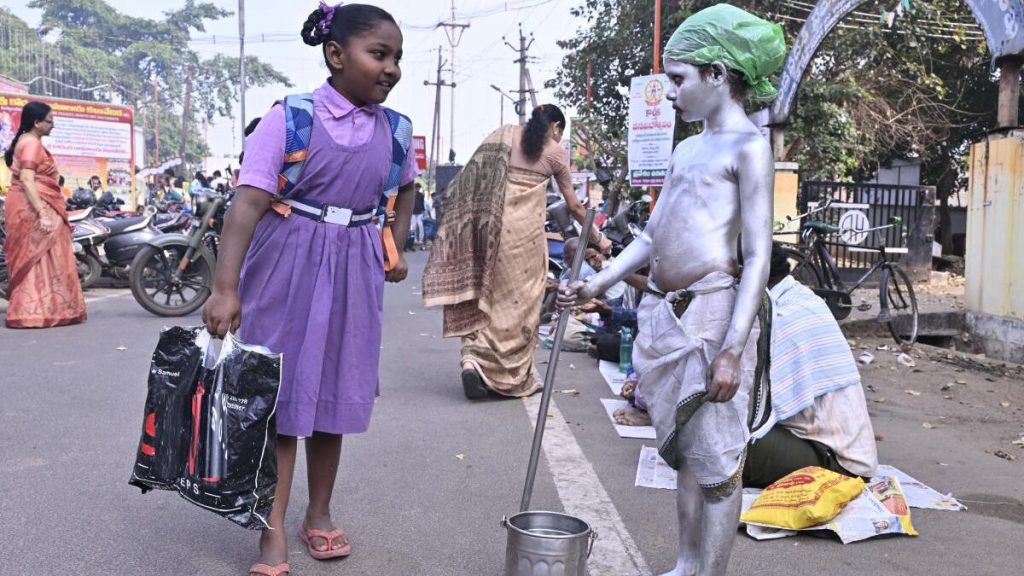
RTE: Nullifying notifications, amendments and intact provisions  RTE: Nullifying notifications, amendments and intact provisions  Chandrasekaran Balakrishnan January 18, 2025 media A schoolgirl seeing a boy dressed as Mahatma Gandhi begging for alms at the Kodanda Ram Temple in Vijayawada. According to the RTE Act, it is the right of every child aged six to 14 to avail free and compulsory education.   The Center recently issued a gazette notification that if a child fails to clear a final examination in Classes 5 or 8, they can be held back. This strikes down one of the key provisions of the Right to Education Act 2009 that held no child shall be detained until Class 8. The amendment has stirred a controversy with some saying it goes against the spirit of the Act that seeks to ensure education for all. The scrapping of the no detention policy is among the three major amendments to the Act. While many of the provisions stand intact, at least on paper, there are still caveats in its implementation. What is not working?A key provision of the RTE is the concept of neighbourhood schools. In the 15 years the Act has been in existence, States have implemented the policy with mixed results.B. Chandrasekaran, a former consultant to the Union Planning Commission, says that the neighbourhood schools model has mostly failed. Whatever is achieved is only in some pockets where the Chief Education Officer works meticulously. “Where government officials have shown interest, several schools have shown improvement”, he said.Mr. Chandrasekaran says there is a need to simplify and institutionalise the entire process. The school education department can create an online portal for the same. Parents are keen to enroll under this act, but almost 80 percent of the time they struggle to do so. He says even so many years down the line, a lot of parents are not aware of the scheme. “When they do hear about it, they don’t receive any help in the application process. For a small error in application, it gets rejected, he says.Mr. Chandrasekaran has worked with government schools in Erode, Tamil Nadu, to create awareness about RTE among the economically weaker sections. Citing one problem he HTE: Nying notifications, oments and intact provisions The Mindswitnessed, he says, if a parent’s residential address is different from their current addr their child can’t get admission at the current address. To resolve this issue, Mr. Chandrasekaran says, it would help if the 25% reservation in schools is changed to a voucher-based system. Under this, a voucher of the same amount can be given to parents, so they can have flexibility to enroll their child wherever they wish.Pointing out another drawback of the lottery system, he says it doesn’t guarantee admission to all the students. Only some percentage of students get selected due to budget constraints, he says, the percentage can be improved with more budgetary allocation as many students are still out of the schooling.Mr. Chandrasekaran says that the problem specifically with the Tamil Nadu government is that they don’t reimburse the schools on a timely basis. “So there are a lot of private schools not inclined to give admissions under RTE. In such cases schools start pressuring students and then parents to pay the amount instead. It is stigmatising”, he says.Maalathi K R, Founder and CEO at Auuro Educational Services, says the implementation of the ACT has succeeded to some extent especially in schools that follow state curriculum across Tamil Nadu. She says sometimes since there are many options availabl in private schools. But they demand admission only to a particular school th considered to be higher in standard or fees, irrespective of whether seats are not. She says at times local politicians like the ward councillors or panchayat/municipality presidents use this opportunity to put pressure on the schools to give seats   

RTE: Nullifying notifications, amendments and intact provisions  Read More »

Economics Conclave’24

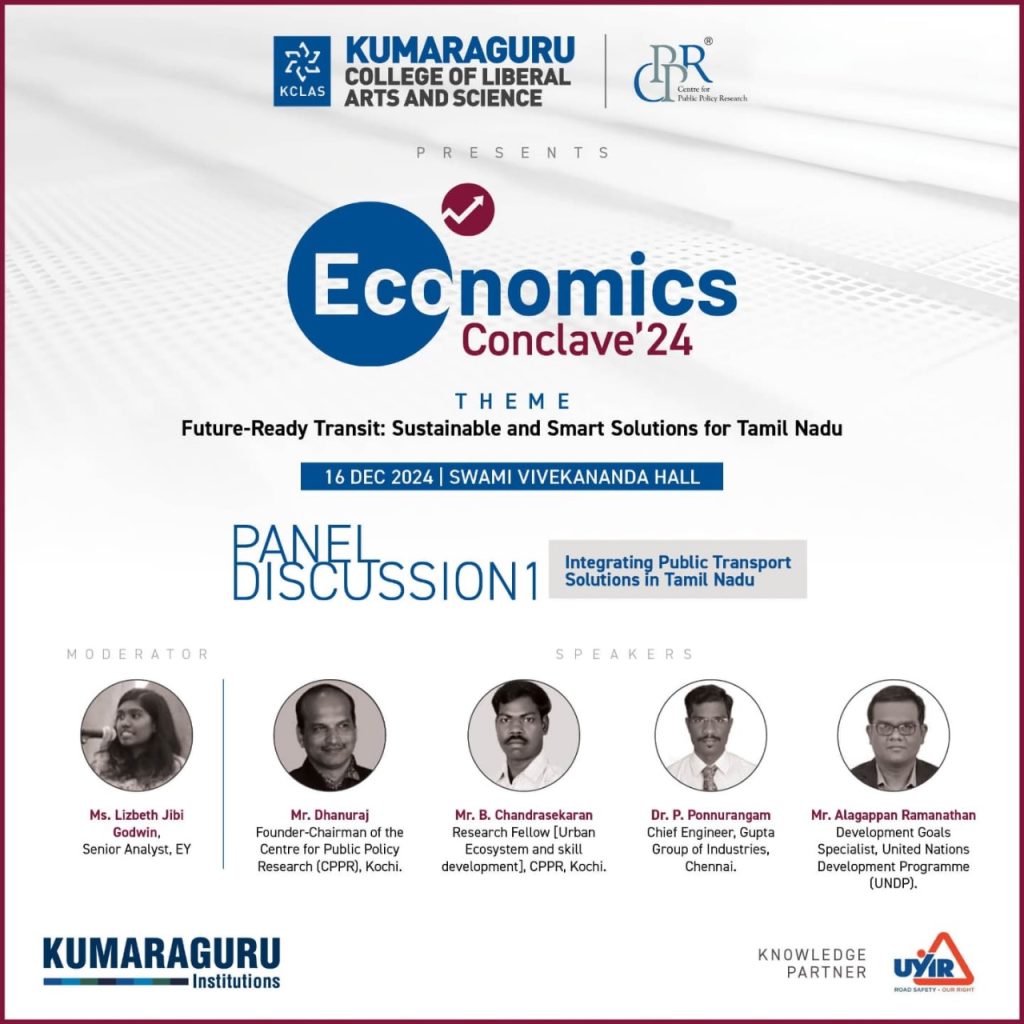
Economics Conclave’24 Economics Conclave’24 Chandrasekaran Balakrishnan December 16, 2024 events Mr.B Chandrasekaran, Founder Chairman, AgaPuram Policy Research Centre, Erode was invited as Resource Person for Panel Discussion on “Urban Conclave on Future-Ready Transit: Sustainable and Smart Solutions for Tamil Nadu” on December 16th, Coimbatore, Tamil Nadu. The Urban Conclave was organized by the Centre for Public Policy Research (CPPR), Kochi, Kerala in collaboration with Kumaraguru College of Liberal Arts and Science (KCLAS), Coimbatore. More than two hundred college students and faculties have participated in the Urban Conclave and Urban Mobility Hackathon. Mr.B Chandrasekaran shared his presentation on the status of urban mobility challenges faced in Tamil Nadu from the institutional integration perspectives. He suggested measures for improving urban mobilities by undertaking institutional reforms in transportation sector. Mr.B Chandrasekaran was also invited as Judges for Urban Mobility Hackathon and examined the six-seven teams innovative ideas projects for solving the issues of urban mobilities and its related issues and challenges faced in Coimbatore City.

Economics Conclave’24 Read More »

PM Internship Scheme 2024: Why MSMEs should be allowed to take interns

PM Internship Scheme 2024: Why MSMEs should be allowed to take interns PM Internship Scheme 2024: Why MSMEs should be allowed to take interns Chandrasekaran Balakrishnan November 26, 2024 media   B Chandrasekaran, Founder-Chairman of Agapuram policy research centre, ex-consultant to the Union Planning Commission said there is need of a massive industry and realistic, government-led movement for skilling youth and making an impact in youth employability. “Instead of expecting mainstream academic institutions to help industry, it’s time industry led the skilling efforts with governments”, he said. PM intemship scheme 2024: 6.5 Lakh applications highlight challenges and MSME expansion needs- The Hindu“Helping fortune 500 companies with internships is the first step in the right direction but not a sufficiently thought through scheme. Supporting MSMES for skills developm is must for helping youth to find jobs, reskilling and upskilling”, said Mr. Chandrasekaran.

PM Internship Scheme 2024: Why MSMEs should be allowed to take interns Read More »

Nothing Wrong with Learning any language in a Diverse Country like India

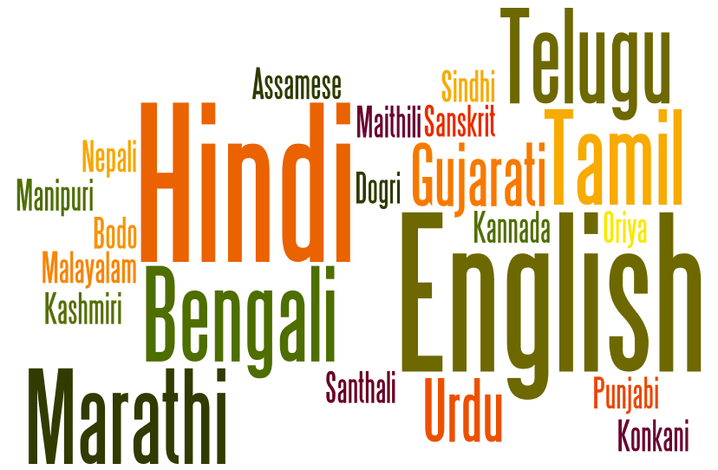
Nothing Wrong with Learning any language in a Diverse Country like India Nothing Wrong with Learning any language in a Diverse Country like India Chandrasekaran Balakrishnan November 20, 2024 Indian Liberals   In the past couple of weeks, the debate on learning second or third languages other than the mother tongue erupted once again in the mainstream media focusing on Hindi or Sanskrit, although misinterpreting the long legacy issues with vested interests of dynastic regional parties, especially in Tamil Nadu. We, as a diverse society, are still far from learning and recognizing the fact that many of our founding fathers were multilingual throughout their life and work, which helped them to stretch for freedom struggles covering the length and breadth of the vast country. We need to inculcate attitude and aptitude among young minds with zeal to further develop, encourage and cultivate India’s rich and ancient languages. With the blending of technological revolution, much could be done to bridge the gaps in learning disabilities of a particular language, including Hindi and Sanskrit. One should have a little passion for learning about the beauty of a language before being judgmental of any aspect of the language or aiming to propagate the lacking in a language. The evolution of a language is a spontaneous order among the diverse community, and one man or a community alone is not responsible for its creation and nurturing of it. On 2nd September 2022, the Supreme Court declined to entertain a PIL plea for a “declaration to make Sanskrit the national language of India” the PIL was moved by a retired senior bureaucrat of Gujarat. Whether the PIL is good or bad is a different matter, the love and passion for the ancient language must be appreciated for reviving it in the larger interests of the people of India. While hearing the PIL in Supreme Court, the bench asked the pleader, “How many cities in India speak Sanskrit? Do you speak Sanskrit? Can you recite one line in Sanskrit or at least translate the prayer in your writ petition to Sanskrit.” Rather, the honorable court should have asked the right question, how and who had systematically destroyed the beautiful ancient language of India? It must be a strange situation in a vast subcontinent country like India, where Sanskrit, as the world’s ancient classic language, is in death senile for several decades, if not centuries, in modern India.   While addressing the Hindi Vivek Magazine on 16th September 2022, the eloquent Union Finance Minister shared her experience in Tamil Nadu while studying for an undergraduate degree in economics and the sad state of affairs of pity state politics against the students who are interested to learn Sanskrit of Hindi as second or third languages. She said that for decades and even now, in Tamil Nadu, the anti-Hindi agitations propagandas are played for pity politics indoctrinating young school and college students. She shared that in her college days, the students who chose either Sanskrit or Hindi as a second language would not get state government scholarships despite their names being on the merit lists of their respective universities. On 29th September 2022, while speaking at the “Karnataka Samskrit University,” on the occasion of Pre-graduate Convocation and “Sanskrit Week Celebration,” she said that in her school and college days, learning Sanskrit was not easy at all because of the “political environment in which we lived.” She further said, “and it’s not as if I lived in a foreign country. I lived in Tamil Nadu. Sanskrit was discouraged, and I think even today they discourage,”. She also said that “learning Sanskrit or learning Hindi was not encouraged at all (in Tamil Nadu)..” It would be interesting to remember the beautiful slim book titled “Sanskrit Proverbs” by Champak C Shah, published in 1923. The book is a collection of hundreds of beautiful rarest Sanskrit proverbs in English, which covers the entire human lifecycles of ups and downs, all possible situations of pleasures, pains, etc., embedded in nature, community, harmonious living, cultural ethos, and antiquities, governance, leadership, etc. Each proverb has multiple perspectives which are quite enthralling to relate to practical life in all sections of society: as an individual, family, community, and society as a whole. The following proverbs on nature, people, learning, governance, leadership qualities, etc., are quite enlightening from the generic of our ancient language. On nature, country, and people: “Mountains-are beautiful at a distance, rugged when near.” “The ocean is the course of rivers.” “Perseverance, daring, courage, wisdom, strength, and valor—where these six are, there is God.” “A fool is honored in his own house; a proprietor is honored in his own village; a king is honored in his own country; a learned man is honored everywhere.” “You should forsake a man for the sake of your family; you should forsake your family for the sake of your village; you should forsake your village for the sake of your country; you should forsake the earth for the sake of yourself.” “In sandal trees, there are serpents. In the waters with lotuses, there are also alligators. There are no unobstructed pleasures.” “The rivers themselves drink not (their) water, nor do the trees eat (their own) sweet fruit; the clouds eat not the crops—the riches of the good are (employed) for the benefit of others.” “The soul is a river, whose holy confluence is self-restraint, whose water is truth, whose bank is morality, whose waves are compassion. Here perform ablutions, 0 son of Pandu! The inward soul is not purified by water”. On India’s ancient traditions and values: “What will the Shastra do for him who has no sense of his own? What will a mirror do for him who has lost his eyes?” “There is no village—how can there be a boundary? There is no learning—how can there be fame? There is no wisdom—-how can there be salvation? There is no faith—how can there be understanding?” “The strength of men is rooted in food.” “Fasting is the best

Nothing Wrong with Learning any language in a Diverse Country like India Read More »

C.Rajagopalachari’s Venerable Thoughts on Culture

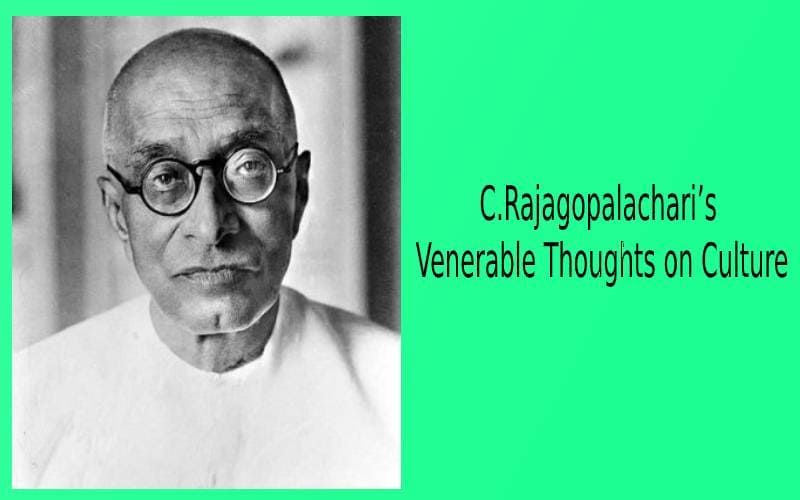
C.Rajagopalachari’s Venerable Thoughts on Culture C.Rajagopalachari’s Venerable Thoughts on Culture Chandrasekaran Balakrishnan November 20, 2024 Indian Liberals   Around the world, a human civilisation evolved over thousands of centuries ago on an undesigned pattern but their understanding of nature and by its forces paved actions shaped their desirous and quests. The laws of nature were the first instrument to form their quests to understand the reasons for human evolution and embarked on various dimensions like culture, social norms, and economic prosperity.   Since then, the human civilisation continues to make attempts to progress further on cultural values, shared social norms, and materials accumulation through trade. Whilst, we tend to track back the origins of human civilisation along with their pattern and endurance of culture, social milieus, and economic status giving importance as much as the future.  Since time immemorial, human civilisation seems to be pursued to inquire about the evolution of the cosmos, man, and desires in life. It so happens that many things that evolved around the man and his community were always quite spontaneous combining the collective behaviour of a group of people or a community. Some of the basic aspects are like desires of pleasures, languages, desire to accumulate materials, cultivate norms and values for social virtues including culture, etc. As we look back from the perspective of the twenty-first century; several centuries ago, man paved and nourished many facets of sobering endurances of culture which penetrates among the community and individual practices in daily life. The most inevitable aspect of any culture across the world is keeping oneself cleanly in body, dressed up with clothes, etc.   According to a great scholar, C.Rajagopalachari “civilisation in the true sense of the word is the development of restraint. The consensus of society, the total combined will of the people living together, seeks to curb the individual’s tendency to overdo the use of his senses. This is the difference between civilisation and barbarism.”  The word culture denotes many things to many countries. But undoubtedly, it is one of the most misused and abused words in every literature. The word culture is also most confused among people during the debate and discussions in the domain of politics, administrations, social reforms, renaissance, etc.  Chakravarti Rajagopalachari (1878-1972) was one of the greatest scholars of twentieth-century India. He was a multifaceted personality. He was a visionary and thinker. He ventured into many fields and excelled at great depth, like a legal and constitutional expert, freedom fighter and astute politician, a scholar in Indian literature, classical liberal thinker, statesman, an able administrator, scholar in Tamil literature, prolific writer, and author of hundreds of books, etc.  He was fondly called as Rajaji or C.R. by many. He was among few scholars who applied their mind into deep musing about what is culture not just in India but also of the other nations and how it evolves around the people’s social and economic progress. In the late 1950s, Rajaji was invited by Bharatiya Vidya Bhavan, Mumbai to deliver a series of lectures on Culture. The Bhavan later published the lectures in a slim book which went several editions over the years since then.  Rajaji was a principled man and hesitated to give lectures on Culture. Though he has mastered and written quite copiously on Indian literature and knew world history, philosophy, and culture. He warned, however, that “nothing can be expected from me on music, dance, the theatre or the silver screen” which were and still considered as the culture but these alone did not describe Rajaji. He spoke about the process of evolution of the culture of different nations and the case of India.   He succinctly asked “how to utilise the traditional position to the best advantage for the general community, Shall we try to enforce the obligation on the individual in respect of the entire whole and reconcile ourselves to lapses and failures? Or Shall we utilise the natural force actually prevailing in smaller circles and add it all upto make it serve the whole?”  According to Rajaji “the way of living built up by groups of human beings and transmitted from one generation to another. People each with their own long history build up separate patterns of cultures. There is much that is common, but also a great deal that is particular to each nation.” Further, “culture is not literacy or ability to play on the veena” said Rajaji, but “it has to do with general behaviour, speech, and conduct, and is different from goodness and badness of character.” Think about behaviour of political leaders in contemporary India. Also, think about behaviour of spiritual leaders across different faiths, the goodness and badness would vividly expose their character and their culture.  Unlike our confused textbooks in schools and colleges, Rajaji defines that “culture is not just character or morality. Character is the inside of a man. Culture is external rather than internal. Culture has more to do with behaviour and way of living than with character. Broadly speaking, culture is external though of course, it has much to do with character too. Because, the outside has always much to do with the inside.” In contrast, we tend to witness mostly in our public life wherein one conducts on a confused state of affairs of both character-wise and established morality of the culture.      Most of the contemporary social ills have strong negative influences of distortions of cultural values of communities in different countries including India. Partly, the government system seems to be a vital force paving towards distortions of communities’ culture which imposes restraints on an individual without force or completion. “Civilisation is not mere advance in technology and in the material aspects of life” warned Rajaji. “We should remember it is an abstract noun and indicates a state of living and not things. Mainly, civilisation connotes the curbing of wildness, barbarity, and over- indulgence of passions and appetites” observed Rajaji.  According to Rajaji “civilisation has two instruments to achieve the object of curbing the sensual instincts and preventing or deterring over-indulgence.” He explains that one instrument is the government’s enforcement of the

C.Rajagopalachari’s Venerable Thoughts on Culture Read More »

GK Sundaram: Swatantra’s Forgotten Tamil Leader

GK Sundaram: Swatantra’s Forgotten Tamil Leader GK Sundaram: Swatantra’s Forgotten Tamil Leader When the permit – quota, license Raj laid steel claws on the nation’s economy, GK Sundaram campaigned fearlessly in support of freedom. During his fateful years in the Rajya Sabha as a Swatantra Party member and outside the house, he emphasised and re-emphasised the basic truth that socialism is to social justice what ritual is to religion and dogma is to the truth. He has consistently championed the cause of fruitful egalitarianism in the place of sterile socialism. Chandrasekaran Balakrishnan November 20, 2024 Indian Liberals   The world economy and the health care system are in havoc never seen before after the Second World War due to the speedy spread of COVID19 across the world. In India, few leaders argue with perceptive thinking on the rationale for a complete lockdown of the entire economy by a whip of the Union Government. Industrialist Rajiv Bajaj is one such leader and argues based on certain data analysis which is India centric and has some grain of truths. Bajaj’s open mind and incredible courage to think alternative ways are quite rare at this juncture of impaired moral fabric all across the world. History witnesses that only a few righteous persons could think or take the risk without fear or consequences. Decades ago, we had a few such rare thinkers. GK Sundaram was one such great thinker and leader from Coimbatore, Tamil Nadu. “He has led a historic life. He was a great visionary and a perfect and righteous person”. He was multifaceted personality contributed immensely to the country’s freedom struggles even at the tender age of 16. He also served considerable time in prison and was a doyen of the Indian textiles industry, builder of many industry bodies for supporting the growth of the textiles sector. He was a tall political leader and a parliamentarian of Swatantra Party, an educationist a philanthropist, and above all, a liberal thinker with a firm belief of economic freedom, individual liberty and equality for all. GK Sundaram had once unequivocally stated that “Individuals should be allowed to pursue their vocations without let or hindrance – there should be no unnecessary governmental interference. We believe in freedom of enterprise because it is the only system that can uphold and protect individual liberty which is paramount and matters more than anything else”. He was inspired by Nani Palkhivala’s annual post Union Budget speeches and delivered several such post Union Budget speeches in Coimbatore at the “Verandah Club” with humour and stressed on the ills of State control policies of the government. GK Sundaram was born in 1914 in Coimbatore. He was affectionately called GKS. He completed a course in Textile Technology at Bolton in the UK and returned to join as Manager in his father’s family business in the textile sector in Coimbatore in 1938. His father, a Congressman, G Kuppuswamy Naidu had started business in the textile sector in 1910. For about seven decades, Sundaram was Chairman and Managing Director of Lakshmi Mills Ltd. He was also the Chairman of Lakshmi Automatic Loom Works Limited and the Lakshmi Card Clothing Manufacturing Company. Today, the Lakshmi group has diversified businesses leading in several areas. It also provides free healthcare services to the poor and serves free cooked food with the aim that no one should go hungry in the city of Coimbatore.  Coimbatore is known as Manchester of South India, a long-standing tradition of a manufacturing hub for all kinds of goods and services from agriculture, to industry and the service sector. Much before the economic reforms, GK Sundaram was a pioneer in collaborating with many overseas businesses to produce world-class textile machinery in India and established a diversified and profitable business for his company. During the freedom struggles and the following socialist command and control regime after independence, GK Sundaram led the growth and development of the Indian textiles sector by introducing new technology in processing and manufacturing. He was behind the promotion of Suvin cotton, an indigenous variety of cotton in the country. It was because of his support, the Extra Long Staple (ELS) variety of cotton was developed in India. He was against price controls and had strongly advocated for a fair price for cotton in India, which was equal to the international market price.     GKS founded and spearheaded several industry bodies to train human resources and also raise voice over ill policies and sensitise the governments. GK Sundaram was the founder and president of the South India Cotton Association from 1978 to 1998. He was the chairman of the Southern India Mills Association from 1967 to 1969 and of the South India Textile Research Association from 1982 to 1998. He was president of the Indian Chamber of Commerce and Industry, Coimbatore from 1962 to 1986; and founder and president of the Coimbatore Management Association from 1955 to 1971 and Wind Power Producers Organisation. He was also the chairman of the Indian Cotton Mills Federation, now known as the Confederation of Indian Textile Industry, from 1973 to 1975. After involving for several decades of political activism during freedom movements and post-independent India, mostly on liberal principles, Rajaji founded the Swatantra Party in 1959 along with likeminded classical liberals. They had a vision for the country and ventured to effectively counter the socialistic and statist economic policies of Jawaharlal Nehru, who betrayed Gandhi’s vision and aspirations of millions who participated in the freedom struggle. According to Rajesh Govindarajulu “The Swatantra Party had a number of adherents in Tamil Nadu and in Coimbatore. Saw. Ganesan (Kambanadipodi), B Venkataswamy, Mariswamy, Venkat Rao, VP Kandaswamy, Kovai Subri – the freedom fighter, Kalki Sadasivam, and the freedom fighter industrialist GK Sundaram.” Also, Kovai Khadar Ayyamuthu, R Krishnamurthy, Advocate Sundaram, Gobi Sami Gounder and NA Parasuraman were active leaders in the State. Sundaram was not only attracted to classical liberal principles but was closely mentored by C Rajagopalachari in his political career and thought process. On his 90th birthday, he had reprinted Rajaji’s Speeches rendered as the Governor-General after independence. GK Sundaram

GK Sundaram: Swatantra’s Forgotten Tamil Leader Read More »