Chandrasekaran Balakrishnan

TN must fix economy before LS polls, not blame Centre

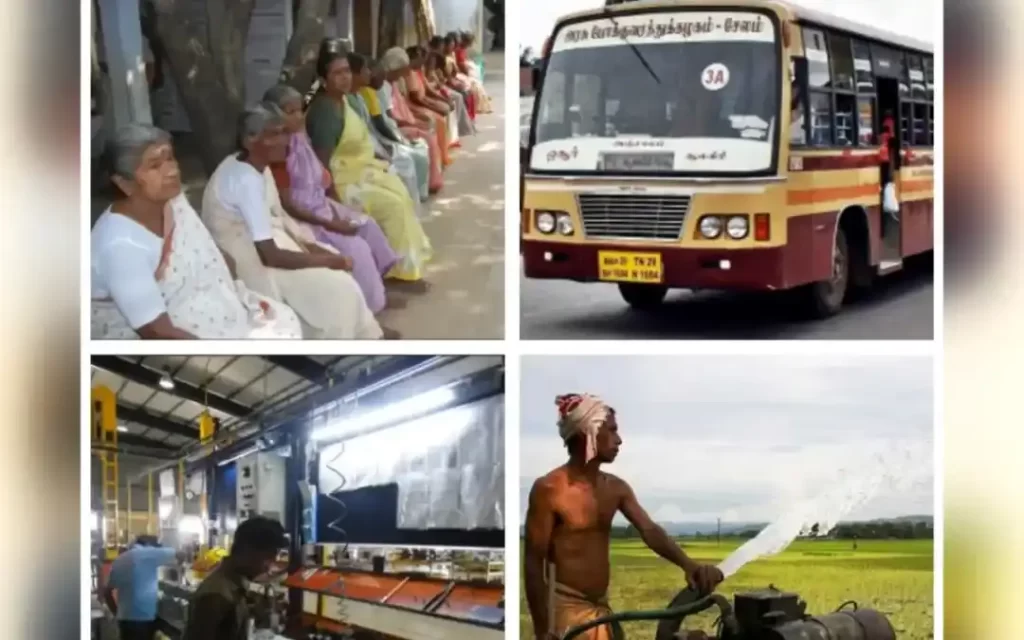
TN must fix economy before LS polls, not blame Centre TN must fix economy before LS polls, not blame Centre Chandrasekaran Balakrishnan December 29, 2022 Tamilnadu Economy                                                                                  Read in : தமிழ் News stories are floating on social media claiming that Tamil Nadu’s economy is improving ever since the current ruling DMK government assumed power. Also, India Today magazine’s high ranking of Tamil Nadu has further fuelled the story in print and electronic media. However, the overall ranking of any parameters whether it’s social or economic or combined would give a picture that does not necessarily reflect the sector-specific actual ground realities. In fact, Tamil Nadu’s poor financial health continues to daunt the state economy.   Delhi-based public policy think tank PRS has released a report on December, 12, 2022 on the analysis of state finances in India, which is also equally worthy of debate along the India Today rankings. Also, the RBI released its report on municipalities’ finances on November 10, 2022, urging states to reform and streamline the already deteriorating financial health of urban local bodies. Many in public debates underestimate the poor financial health of Tamil Nadu’s economy. Merely reducing some percentages of loan borrowings as compared to the previous year, does not help in any way without addressing critical issues. Massive outstanding payments, liabilities and irrational subsidies of the power sector, several loss-making state-owned enterprises (PSUs), public distribution system leakages, the alarming increase of pension and retirement benefits, and the free transportation for women when the Tamil Nadu transport corporations are already making losses put the health of the state’s economy in a poor condition. Massive outstanding payments, liabilities and irrational subsidies of the power sector, several loss-making state-owned enterprises (PSUs), public distribution system leakages, the alarming increase of pension and retirement benefits, and the free transportation for women when the Tamil Nadu transport corporations are already making losses put the health of the state’s economy in a poor condition   Tamil Nadu’s power sector has a revenue deficit of Rs 4,184.10 crore and fiscal deficit of Rs 18,726.32 crore in the current year, which are foremost indicators of the actual financial health of the state. In Tamil Nadu, the share of own tax revenue has been estimated to have declined to 7.9% in financial year 2021-2022 from 8.8% in 2019-2020. Indeed, Tamil Nadu’s debt is higher than the average of all states with 7.2% GSDP, ranked 3rd among states in India. Alas, in these areas the state government has not undertaken any significant reforms. The state’s outstanding liabilities were 32% of GSDP for 2021-2022. Similarly, outstanding guarantees of the state government were 4.8% of GSDP for 2020-21. State governments guarantee loan borrowings for State Public Sector Enterprises (SPSEs) from financial institutions, as most of them are loss-making and have poor credit ratings. Also Read: ‘Dravidian model created disparities in districts’ growth’ Even before the COVID pandemic struck, Tamil Nadu had faced a revenue deficit continuously from 2015-2016 to 2019-2020. If the state performs poorly in revenue generation, the state would be knocking on the doors for the bailout either from the union government or as loan borrowings from the open market via RBI. Revenue expenditure includes expenditure on salaries, pension, interest, and subsidy. A revenue deficit implies that borrowings of loans are the only way to fund those expenses which do not lead to the creation of assets or reduction of liabilities. The union government provides grants to states for meeting revenue deficits based on the recommendations of the Union Finance Commission. Tamil Nadu had received Rs 2,204 crore as a revenue deficit grant from the union government for the year 2021-2022 but not beyond that. Continuous and affordable clean energy and power distribution are a major backbone on which the modern economy can utilise the full capacity of production and services available in the state. Alas, the power sector in Tamil Nadu has been facing several structural and institutional challenges for decades. The power sector subsidies have been a legacy issue since the 1960s. Now, Tamil Nadu power distribution agencies are the highest loss-making distribution utilities in the country, 7.6% of GSDP among states. Although the state government had taken over the debt of TANGEDCO worth Rs 22,815 crore between 2015-16 and 2016-17 under the UDAY scheme of the union government, TANGEDCO accumulated losses worth Rs 48,491 crore between 2016-17 and 2020-21. The outstanding debt of Tamil Nadu is estimated to be 26.3% of GSDP at the end of the current financial year -2022-23. Even before the COVID pandemic struck, Tamil Nadu had faced a revenue deficit continuously from 2015-2016 to 2019-2020. If the state performs poorly in revenue generation, the state would be knocking on the doors for the bailout either from the union government or as loan borrowings from the open market via RBI The PRS report highlights that in 2021, TANGEDCO took market loans of Rs 30,230 crore, with a guarantee from the government of Tamil Nadu to clear its dues to generators and transmission companies (1.2% of 2022-23 GSDP). The total outstanding guarantee of the Tamil Nadu government was estimated at 4.8% of GSDP as of 2020-21. The state government is estimated to provide Rs 28,589 crore between 2020-21 and 2022-23 as grants to compensate for losses of TANGEDCO. Without this grant, the state’s revenue deficit in 2022-23 would be about 25% lower. The state government has also provided loans worth Rs 1,984 crore during this period from the budget. Also Read: Tamil Nadu’s power tariff hike is long overdue after a decade of official mismanagement Thus, during the current financial year, the grant provided for funding losses of TANGEDCO is Rs 13,108 crore (budget estimate), and subsidies for affordable power are Rs 9,379 crore which have increased from Rs 8,414 crore in

TN must fix economy before LS polls, not blame Centre Read More »
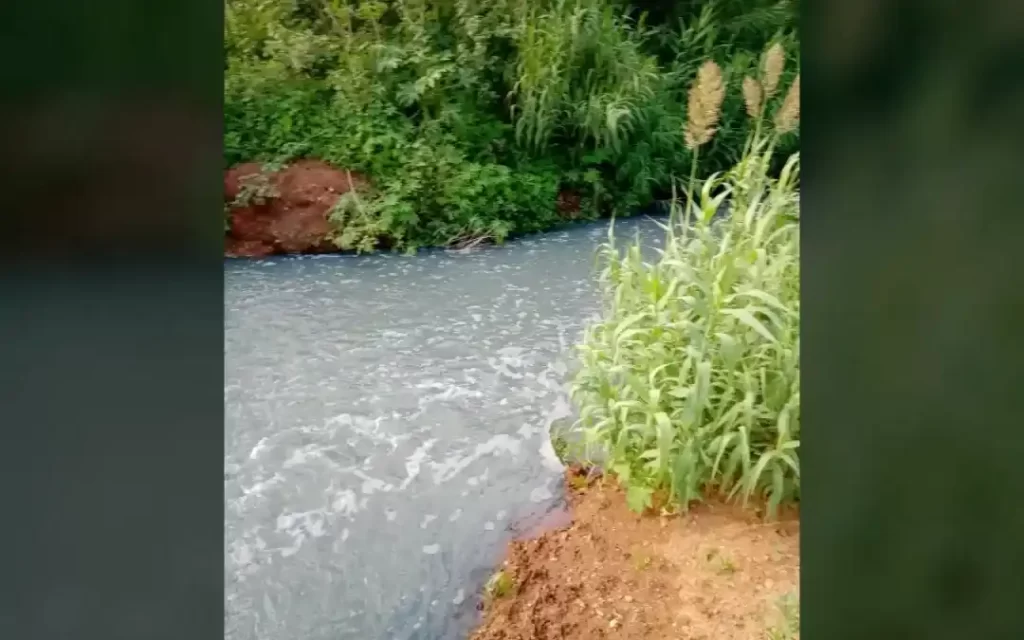
High time Kovai’s Achankulam tank gets a fresh lease of life

High time Kovai’s Achankulam tank gets a fresh lease of life High time Kovai’s Achankulam tank gets a fresh lease of life Chandrasekaran Balakrishnan December 6, 2022 Tamilnadu Economy                                                                                  Read in : தமிழ் Achankulam tank on the outskirts of Coimbatore city has never gone dry in all these decades, even in times of drought. Being a large source of water for agriculture, manufacturing, and the services sector, it is important to keep the resource clean and flowing. But with growing urbanisation in Coimbatore — the second largest city in the state after Chennai — water bodies, including Achankulam tank, are getting more and more polluted. Dumping of municipal solid waste and drainage of domestic sewage and untreated industrial effluents directly into the water bodies have become a major threat to the water resources. Though some of the water bodies in the main city area of Coimbatore were restored and rejuvenated through the smart city mission scheme recently, much more needs to be done. The groundwater level in the area near Anchankulam — Sulur — is already overexploited,  standing at 108 per cent, according to the National Water Mission Report on Coimbatore, perhaps because the airport and the upcoming National Defence Corridor Project are located close by Coimbatore city is situated on the banks of the river Noyyal, which had 34 streams that perennially supplied water for drinking and other purposes. But now only four of the streams remain. Having 28 lakes, the city can be called a lake town. But now the lakes are a shade of their glorious past. Sewage, solid waste, encroachment, and silt buildup have degraded them. Achankulam is one of the tanks of the Noyyal river basin, along with 24 lakes in and around Coimbatore. It is located near Neelambur village in Sulur Taluk on the outskirts of the city, just two kilometres from the national highway. The groundwater level in the area near Anchankulam — Sulur — is already overexploited,  standing at 108 per cent, according to the National Water Mission Report on Coimbatore, perhaps because the airport and the upcoming National Defence Corridor Project are located close by. All the more reason to clean up and recharge a large waterbody like the Achankulam tank, so that it can replenish the groundwater table of the area. Also Read: Rs 217 crore — the yearly loss from degrading Pallikaranai marsh The tank which was spread over 396 acres is down to 265.11 acres as per the present boundaries. The tank has three inlets through which it receives water from various sources and three outlets through which it feeds water for irrigation and other purposes.   The Irugur channel measuring more than a kilometre that carries surplus flow from the Irugur Tank, the Anaivari Pallam that carries the runoff water from near the airport and Kovai Medical Centre and Hospital, and another canal that people locally refer to as the KMG Pallam are connected to Achankulam tank. Being one of the biggest tanks in the district, Achankulam Tank provides water for farmers and residents covering a 20-km radius. It has an ayacut for agricultural land which irrigates 334 acres. Villages that receive Achankulam water include Muthugounden Pudur, Rasipalayam, Karavali Madhapur, Kaniyur, Semmandampalayam, Thekkalur, Mangalam, and also parts of Avinashi Taluk. Being one of the biggest tanks in the district, Achankulam Tank provides water for farmers and residents covering a 20-km radius. It has an ayacut for agricultural land which irrigates 334 acres Despite having lost a major portion of its shores to development works, Achankulam continues to attract a variety of migratory birds. Birdwatchers recently spotted two unusual visitors in the tank — Lesser Crested tern and Sanderling — both long-distance migrants that are primarily spotted in coastal areas. Birds have also been spotted at the Achankulam wetland and Muthugoundanpudur Kulam, near Sulur. Achankulam Lake was also in the news recently as it attracted more birds in the current wintering and migratory season. Achankulam tank can be considered a biodiversity hotspot of sorts as about 200 species of birds visit every year, particularly between February and May. The tank can be filled to up to 14 feet and has a minimum storage capacity of 4.707 tmc ft. Also Read: Infrastructure in Chennai: Here’s why ‘high roads’ were laid If the government and the people cooperate, Achankulam can be made into a tourist spot, with walkways, cycling, boating, fishing, bird watching and other activities in a pristine area surrounded by dense forest. This can only come about if awareness is created among the local community, students, farmers, and self-help groups, so that they can take responsibility as a community for the protection of Achankulam from solid waste and sewage pollution. Additionally, the quality of the communities and the real estate around the lake is highly dependent on the condition and the natural beauty of the water body and the lakeshore. The ecological, social, and economic benefits of a well-managed tank can extend to generations of people. Achankulam tank can be considered a biodiversity hotspot of sorts as about 200 species of birds visit every year, particularly between February and May      The local governments along with the district administration should take steps to prevent the dumping of untreated sewage and industrial effluents into Achankulam Tank. The main polluters are large public sector enterprises like IOCL, major private hospitals like Kovai Medical Centre and Hospitals and Royal Care hospital, MSMEs. A multipronged approach is needed to rejuvenate and nurture sustainable solutions with livelihood opportunities for the local community. Local bodies must adopt technological solutions that are not just sustainable but are also efficient, take ground realities into account and fix key challenges without much manual interference. Installation of DRDO Bio Sewage Treatment Plants with decentralised solutions would be very

High time Kovai’s Achankulam tank gets a fresh lease of life Read More »

Neera good for health, and farmers’ wealth, if govt permits

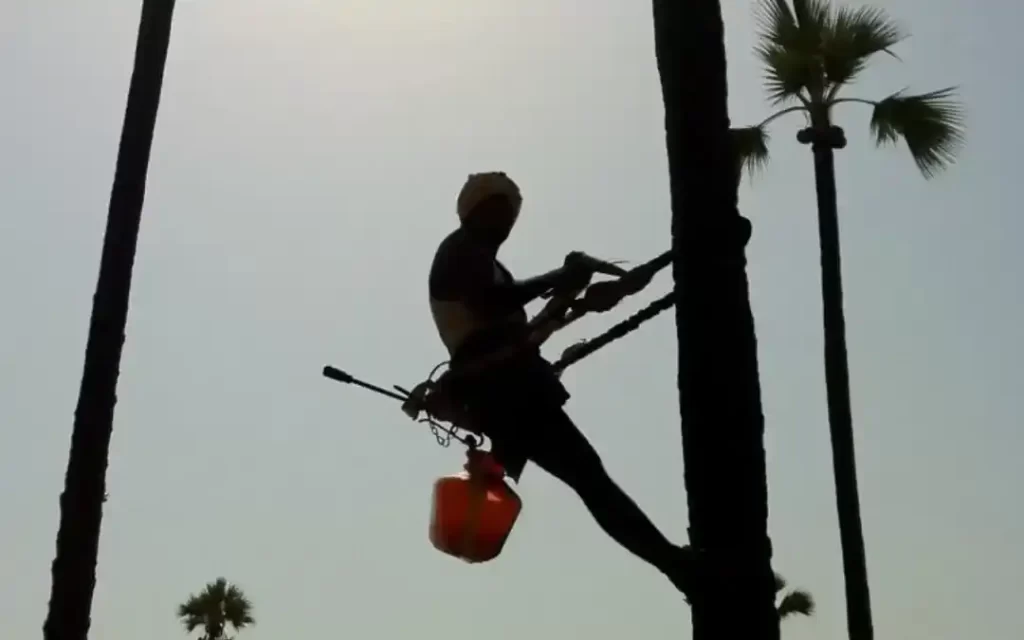
Neera good for health, and farmers’ wealth, if govt permits Neera good for health, and farmers’ wealth, if govt permits Chandrasekaran Balakrishnan November 29, 2022 Tamilnadu Economy                                                                            Read in : தமிழ் “If one drinks a glass of neera in the morning instead of tea, etc., he should not need anything else for breakfast,” Gandhi once said. Yet, the health food, neera, is not freely available to the hordes of fitness and wellness enthusiasts around, simply because of some archaic government rules that prevent coconut farmers from tapping the non-alcoholic drink. Neera is the sap of the inflorescence of the coconut tree, which unlike toddy is consumed fresh and not fermented. While Tamil Nadu is the second largest of coconut farming states in the country after Kerala, the state government’s time-worn rules about tapping neera are depriving coconut farmers of a good source of income. As much as 4.44 lakh hectares of land in Tamil Nadu is devoted to coconut farming, producing 52,140 lakh coconuts, marking a productivity of 11,560 nuts per hectare per year, according to official 2020-2021 figures. But the real value of this produce is not being realised because of a licence raj in neera tapping. Tamil Nadu has issued as few as 13 licences for neera tapping compared to 204 licences in Kerala. Karnataka too has more flexible rules on neera tapping. Coconut farmers in Tamil Nadu who possess the licence to tap have produced around 9 lakh litres of neera, which earned revenue of Rs 13 Crore. But there is scope for so much more. Tamil Nadu has 7,230 Coconut Producers Societies, 467 Coconut Producers Federations, and 29 Coconut Producers Companies registered with the Coconut Development Board. There are 5 crore Palmyra trees (including coconut palms) in the state, and about 3 lakh families depend on them for their livelihood, weaving baskets, mats, and ropes with the leaves and fibres. Of these, 11,000 people are engaged in harvesting and selling nungu (palm fruit) and neera. Neera is the sap of the inflorescence of the coconut tree, which unlike toddy is consumed fresh and not fermented Not just locally, even in the international market, there is great demand for coconut products. Countries like Indonesia and the Philippines, which are leaders in this competitive market, promote a variety of coconut-based products, whereas India is still in the early stages of coconut processing. Despite being a major coconut grower, India is losing out on an opportunity to be a significant player in the international market. Coconut neera has been one of the traditional nutritional drinks and a part of the food culture of India for several centuries. But over the last seven decades, controls have been imposed on neera tapping, because it is being confused with toddy, which is also extracted from the coconut tree and contains some amount of alcohol. Also Read: Palm products: The cultural pilgrimage of a priest The state government, however, has recently clarified that “neera is a non-alcoholic nutritious drink drawn from the unopened inflorescence of coconut trees by using Anti Fermentation Technology to arrest the fermentation.” The Government has also issued the “Tamil Nadu Neera Rules” permitting the tapping of neera from coconut trees, as well as the manufacture of other products from neera. Coconut farming supports millions of farmers by providing food, nutrition, and livelihood. Coconut, a perennial crop, cultivated in Tamil Nadu is one of the major non-food crops in the country. Coconut farming is also one of the major agricultural activities in India, especially in southern states where it accounts for over 90%. However, the stringent licence system and neera tapping rules enacted in 2017 are holding back the coconut farmers. They are unable to take advantage of new modern technologies that enable the tapping of neera while preventing fermentation. According to the Coconut Development Board, India imports around 20,000 tonnes of coconut palm sugar annually. If the cumbersome rules on neera tapping were eased, India could completely avoid this particular import as Indian coconut farmers can produce it domestically and even export it to other countries. The Neera Rules, 2017 restricts the tapping of neera to a mere 5% of coconut trees. Only once a year do inspectors from the government department mark coconut trees for tapping of neera. In no way is this a sustainable practice. It only lets the untapped wealth of neera go to waste. A stringent licence system and the neera tapping rules enacted in 2017 are holding back the coconut farmers Interestingly, the Coconut Development Board, which falls under the Ministry of Agriculture of the union government, has advocated the need for removing the anomalies and issuing an amendment to the Tamil Nadu Prohibition Act 1937 to exclude neera from the definition of toddy. The CDB has said that it is “illogical and irrational” to include neera under Section 19 of the Act, explaining that Neera or Padani as stated in Section 11-B means juice drawn from a coconut, palmyra, date palm, or any other kind of palm tree into receptacles treated to prevent any fermentation. It therefore should not be categorised as Toddy under Section 19, as it contains “no alcohol”. “It is a health drink. This simple amendment would help create around 2.40 lakh ‘Green Collar jobs’ and increase the State’s revenue by Rs 47,500 crore,” an official was quoted as saying by The Business Line newspaper in 2018. Also Read: Aspiring 3D animator takes up farming, turns into an expert in organic methods The rules should indeed be amended, and this should be classified as a “nutritious health drink”. Also, separate Rules for further processing neera into jaggery, syrup, and sugar should be added. Importantly, the ceiling fixed in the rules on the number of coconut trees that can be tapped needs to be removed. The percentage

Neera good for health, and farmers’ wealth, if govt permits Read More »

ICSSR-funded-social-science-research-lacks-perspective

ICSSR-funded Social Science Research lacks Perspective ICSSR-funded Social Science Research lacks Perspective Chandrasekaran Balakrishnan September 29, 2022 Public Policy Independent India’s founding fathers and mothers had envisioned that any social science research institution’s efforts and its outcomes should reflect the ground realities and struggles of the people, translating into public policy debates to improve living standards across strata.The institutions are paramount pillars for making the right kind of social science research efforts with pertinent research questions to gauge the ground-level challenges faced in society at national, regional, and villages/town levels. This in turn helps to firm up the societal issues which are involved and imperative to make the right kind of policy changes with targeted segments.Soon after independence, successive governments’ set up several national-level institutions to help the government in different capacities to frame public policies. According to J.P. Naik (who as Member-Secretary wrote roles, responsibilities, functions, programmes, & organisation of the Indian Council of Social Science Research [ICSSR] in 1971), the new institutions were entrusted  “to bring about a planned reconstruction of our society…help to provide better insights into our social problems and their solutions…”. One such premier institution in the country is the ICSSR established in 1969. It has been more than 50 years now and the institute still dominates as the major source of funding for academic research of more than two dozen research institutions/centres and thousands of faculty across the country serviced by six regional centres. The coverage of social sciences disciplines has also widened for the larger goal of knowledge sharing, dispersion, and dissemination.These apex institutions were funded out of taxpayers’ money to be part of the overall growth and development of the country as well as bringing about tangible changes in the citizens’ lives with basic services and facilities through policy shifts.At the international level, in the “Scopus database, India is ranked at 7th position for its social science publications and its share in global publications is nearly 4.25% whereas in Science & Technology publications, India is ranked at 3rd place and its share is around 7%”. It is the qualitative aspects that make a difference in the research outcomes in the basic sciences as opposed to the social sciences in India. However, the issues of quality have become a major concern in the studies and projects funded by the ICSSR both from academic and public policy perspectives. Broadly, the apex institute provides two types of funding such as minor and major projects which range from less than one year for the former and one to two years for the latter.  Other agencies like the University Grants Commission, state governments, and various departments of Union ministries also provide grants for social science research.Issues regarding funding constraints of social science think tanks such as the Chennai-based MIDS, highlighting a steady decline in support for policy-based research, have been highlighted by many. But ICSSR’s decisions are based on well-thought-out parameters. During the last 52 years, “the ICSSR has granted 6,793 Major, Minor and Collaborative Research Projects… provided financial assistance to 1,853 scholars for publication of their Doctoral Theses/Projects/Fellowship Reports/Conference Proceedings, financially supported 1,008 social science journals and 374 professional associations involved in social science research activities,” reports the ICSSR’s Annual Report for 2020-21.It is interesting to see that the apex institution has reported that it has “granted” the projects instead of “completed” them because about 20% of funded projects were not completed on time and about 7% of funded projects (451) were cancelled. During 2016-17 and 2017-18, around 23% or 108 projects and 31% or 112 projects were still not completed respectively. Being an apex institute, the functions of the ICSSR are being questioned from academic and contemporary public policy perspectives for the relevance and contexts in which the studies are conducted, the methodological approaches, sample size, the authenticity of primary surveys’ etc.There have also been incidents of lack of accountability and transparency which have been highlighted in the institution’s audit reports, but strangely those have been ignored for several years now. For instance, on the audit report presented in the ICSSR’s Annual Report of 2017-18, the CAG of India had flagged discrepancies in accounts statements. Often the disbursements of funds were found to be opaque. Further, the CAG audit had asked the apex institute to do complete accounting of all of its financial transactions both at the New Delhi office and all its regional offices “since 2009-10 but remedial action has not been taken.” Therefore, the complete accounts statements for the financial year 2017-18 were not done. Several review committees of ICSSR institutes that have time and again recommended improving the governance structure, quality of research outcomes, and independent evaluation of completed research reports for policy implications have been ignored.For instance, the 4th review committee report of the ICSSR, submitted in 2007, emphasised that the “quality of social science research output, its contribution to improving our understanding of socio-economic processes, and to the shaping of public policy, have fallen short of expectations.” Similarly, another review committee in 2011 stressed the governance of ICSSR, quality of research reports, etc. The Department of Secondary and Higher Education, Union Ministry of Education has provided grants to ICSSR of Rs.109.90 crore in 2020-21, Rs.133.06 crores in 2019-20, Rs.124.58 crore in 2018-19, Rs.189.2 crore in 2016-17, Rs.171.72 crore in 2015-16 and Rs.164.97 crores in 2014-15. Thus, the total grants have been steadily falling over since 2014-15.The ICSSR has launched a new research funding scheme called “Impactful Policy Research in Social Science” (IMPRESS) which aims to provide a research-based roadmap to address policy challenges of society and consequently the social science research landscape. The new scheme was launched in 2018 with a fund outlay of Rs.414 crore for a three-year period. The key thematic areas covered under this scheme are quite different from the usual areas funded by the ICSSR.So far, two sets of studies were provided with financial support. In the first and second tranches of projects, Tamil Nadu  got the maximum number of projects in the country. About 20% of research applications received (677) in the second tranche were from Tamil Nadu which was

ICSSR-funded-social-science-research-lacks-perspective Read More »

Skills-for-Atmanirbhartha-2

Skills for Atmanirbhartha Skills for Atmanirbhartha Chandrasekaran Balakrishnan September 2, 2022 Public Policy Piecemeal efforts For years, the governments have made piecemeal efforts to empower youth with skills. For instance, ₹3,000 crore has been allocated in the Union Budget 2021-22 to “realign the existing scheme of National Apprenticeship Training Scheme (NATS) for providing post-education apprenticeship, training of graduates and diploma holders in Engineering.” This piecemeal approach restricts apprenticeship to only engineering stream and not to others.Further, the Union Ministry of Skills Development and Entrepreneurship has launched the third version of Pradhan Mantri Kaushal Vikas Yojana recently to impart skills development to over 8 lakh persons in 2020-21 and allocated ₹948.9 crore. One lacuna of the scheme is its excessive reliance on District Skills Development Committee, chaired by District Collector, whowould not be able to prioritise this role, given other assignments. The National Skill Development Agency (NSDA), created in 2013, essentially for resolving the inter-ministerial and inter-departmental issues and avoiding duplications of skills development efforts of the Union Government, has been now subsumed as part of the National Council for Vocational Training (NCVT). This reflects not only discontinuity in policy process, but also obfuscation among policy makers.The UN’s Human Development Report-2020 found that in India only 21.1 per cent of the labour force was skilled in 2010-2019. According to a 2019 study by the National Skills Development Corporation (NSDC), 7 crore additional people in 15-59 age-group are expected to enter the labour force by 2023, of which 5.9 crore or 84.3 per cent will be in the age group 15-30 years, and half of this are expected to come from the age cohort of 15-20 years. The number of expected entrants is projected to peak to 1.29 crore in 2023 alone. Six States alone (Uttar Pradesh, Maharashtra, Madhya Pradesh, Bihar, Tamil Nadu, and Karnataka) account for 50 per cent (about 3 crores) of the new youth entrants (15-30 years). Given the sheer magnitude of youth to be skilled, it is paramount that the policy efforts are adequate in all respects.The New Education Policy emphasises on integration of vocational and formal education both at school and higher education levels. A pilot ‘hub-n-spoke’ model is being implemented in two States where an ITI will become a ‘hub’ for providing training to 5-7 adjoining schools. This is a good beginning which should mark the end of the artificial separation between the formal and vocational.Hence, we really need to start working at school level, be it private or government, and create an institutional framework with holistic approach towards of development skills and competences. For achieving an Atmanirbhar Bharat, all the skilling efforts need to be brought under one platform to eliminate silos and duplications. A sturdy institutional framework with practical and real pathways to change course between mainstream and vocational programmes needs to be made. Views expressed by the author are personal and need not reflect or represent the views of Centre for Public Policy Research.  Facebook Instagram X-twitter

Skills-for-Atmanirbhartha-2 Read More »

Legacy of delays hampers biomining, reclamation of waste dumps

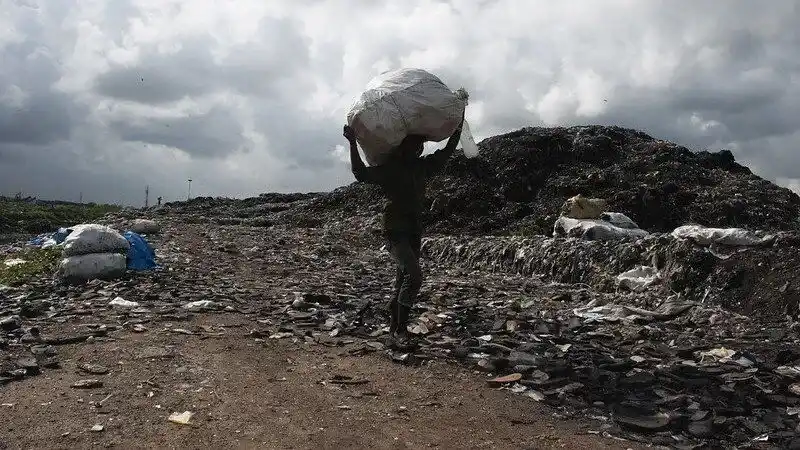
Legacy of delays hampers biomining, reclamation of waste dumps Legacy of delays hampers biomining, reclamation of waste dumps Chandrasekaran Balakrishnan August 5, 2022 Tamilnadu Economy                                                                             Read in : தமிழ் The contemporary focal debate around the issues of urban development and protection of the environment has been given close attention by most stakeholders. There are several challenges in the area of waste management, especially what is called legacy waste, or waste accumulated at dumpyards over decades, across every city, town, small town, and even villages now. Legacy waste was, however, never taken seriously by governments, policymakers, academia, industries, and local bodies’ administrations, responsible for its presence. Of late, the impact of such waste mountains and lakes has become stark as they have severely contaminated the water and air around them even as recent smart city initiatives sought to reduce environmental degradation and recover land for alternative uses. India has a total of 3,075 such dumpsites. Policy action plans were mooted to clean up these dumpsites at the earliest to prevent environmental degradation through circular economy action plans. The solid waste generated is two types — one is a fresh waste, generated on a daily basis and either processed or dumped in landfills; the second is the dumpyards themselves which have been used for many years for simply dumping the solid waste without any processing systems. As per a report by the Centre for Science and Environment (2020), Tamil Nadu is the fourth biggest state in India which dumps more than 2 lakhs tonnes of municipal solid waste without processing or treatment in 140 dumpsites every year. During the last few years, as part of the smart city missions or sanitation drives under the Clean India mission, a few measures were undertaken in states like Tamil Nadu which is the among the most urbanised in the country, to prevent or reduce the degradation of the environment due to air, land, water, waterbodies and groundwater pollution caused by the legacy waste. As per the latest report (22.06.2022) submitted by Tamil Nadu government to the National Green Tribunal (NGT), there are 271 dumpsites in the state with an estimated quantity of legacy waste of 207 lakh cubic meters. Biomining projects were initiated for 269 sites consisting of 19 city corporations, 95 municipalities, and 121 town panchayats. As per the report, 69 dumpsites were cleared of 32 cubic meters of legacy waste, and a total of 360 acres of land was reclaimed. Several thousands of crores were spent on these biomining projects. As per a report by the Centre for Science and Environment (2020), Tamil Nadu is the fourth biggest state in India which dumps more than 2 lakhs tonnes of municipal solid waste without processing or treatment in 140 dumpsites every year However, there are several smaller dumpsites spread across cities, towns, and small towns which have not been included in the government’s official data. Also, the field-level observations across the state noted that there was no proper project management system in Tamil Nadu to effectively monitor the expenditure and timely completion of the reclamation projects and measure the outcomes. Gross mismanagement of funds approved and delays have been reported by the media. The NGT has penalised local bodies, especially 15 city corporations of Tamil Nadu for violation of environmental protection provisions and failure to implement various environmental safeguards envisaged in the Environmental Protection Act, 1986. The quantum of environmental compensation imposed by the NGT (2020) was Rs.5.86 crores. Several municipalities were also given showcase notices for non-compliance with the Municipal Solid Waste Management Rule, 2016.   According to the Annual Report (2021) of the Tamil Nadu Pollution Control Board (TNPCB), 6.81 lakh cubic meters of legacy solid waste were processed through biomining projects in 23 dumpsites covering 14 districts in Tamil Nadu. Of this Thanjavur district’s share is highest at 30%, Chengalpattu has 17%, Cuddalore has 8%, Salem has 7%, Chennai and Tiruvalluvar each have 6%, Erode, Tirupur, and Coimbatore has each 5% (data source: TNPCB Annual Report, 2021). Also Read:  What the Perungudi fire says about our garbage system  Ramsar recognition may help revive devastated Pallikaranai marsh Further, biomining to reclaim land is underway at 129 dumpsites and 58 dumpsites were proposed to be covered under the initiative. Biomining is the treatment of solid waste material with microbial activity, essentially segregating the waste to reuse wherever is possible and using the remaining waste as landfill. The major issues involved in biomining projects include the method of quantifying the legacy waste, DPR preparation, a centralised project approval system, and strict timeline for implementation, etc. Most of the projects of biomining have either been delayed or remain incomplete for years due include non-compliance in waste stabilisation, inadequate waste screening equipment, and poor method of leachate treatment, etc. For instance, regarding the ongoing 129 biomining projects in local bodies, the implementation status varies from zero progress to 99.90%. There are cases even without any status of progress of project implementation. In the case of 58 proposed biomining projects, in about 10 dumpsites fresh solid waste continues to be dumped alongside the existing legacy waste which will create confusion on the project implementation. It is also likely that the project will be delayed with fresh waste entering every day amid ongoing legacy waste processing and treatment to clean up. Tamil Nadu was the first state to initiate the concept of biomining of legacy waste at Kumbakonam municipality in 2015. The Kumbakonam municipality had faced continuous fire at the three decades old dumpsite spread over 10.5 acres in Thepperumanallur village. The estimated quantity of waste at the site was about 3.5 lakh tonnes, of which 1 lakh were cleared in record time and five acres of land was reclaimed. However, the biomining implementation across the state has been patchy. Some of

Legacy of delays hampers biomining, reclamation of waste dumps Read More »

Opinion: Freebies flout financial logic

Opinion: Freebies flout financial logic Opinion: Freebies flout financial logic Chandrasekaran Balakrishnan August 1, 2022 Tamilnadu Economy                                                                                   Read in : தமிழ் For a long time now, no steps were taken to find a long-term solution for the problem of freebies. It was not the top priority of policymakers, constitutional authorities, or statutory and autonomous bodies — neither the executive nor the judiciary has taken an interest to find an antidote to freebies. However, all responsible politicians and people’s leaders, and policymakers are aware that most freebies given by national and regional political parties have led to financial disaster for the states and the country. The list of freebies includes free electricity, bicycles, two-wheelers, education, LPG cylinders, laptops, travel in public transport, loan waivers, television sets, household appliances, etc. Further, free cash transfers and subsidies have also  been announced and delivered without even assessment of financial risks and checks and balances in place. The culture of “free power, free water, free fertilizers of some kinds — all distract from environmental objectives”, Chairperson of the Fifteenth Finance Commission (latest), N.K. Singh said earlier this year. Though, there is an argument that all freebies are not the same and some promote social welfare and inclusion, state finances are eroded in the process. CAG and RBI reports on states have consistently documented the deleterious impact of freebies on state finances. According to the RBI report (RBI Bulletin June 2022): As per the latest available data from the CAG, the expenditure of state governments  on subsidies has grown by 12.9% and 11.2% during 2020-21 and 2021-22 respectively. Similarly, the share of subsidies in total revenue expenditure by states has also risen to 8.2% in 2021-22 from 7.8% in 2019-20. The culture of “free power, free water, free fertilizers of some kinds — all distract from environmental objectives”, Chairperson of the Fifteenth Finance Commission (latest), N.K. Singh said earlier this year. According to the RBI report, these freebies “potentially undermine credit culture, distort prices through cross-subsidisation eroding incentives for private investment, and dis-incentivise work at the current wage rates leading to a drop in labour force participation.” Among major states in India, Punjab (2.7% GSDP), Andhra Pradesh (2.1% GSDP), Jharkhand (1.7% GSDP), Madhya Pradesh (1.6% GSDP), Rajasthan (0.6% GSDP), West Bengal (1.1% GSDP) and Bihar and Haryana (each 0.1% of GSDP) have announced freebies which are estimated to be significantly higher for the year 2022-23. Also Read:  ‘Tamil Nadu economy: Binging on borrowing’  Why the Dravidian model can’t be quickly scaled up to defeat BJP nationally  Several public interest litigation petitions have been filed urging stringent guidelines to deregister errant political parties and freeze their election symbols. Alas, beyond a few media reports and bites for a day or two, nothing happens. The recent PIL filed in the SC says that political parties — both national and  regional — violate Articles 14, 162, 266(3), and 282 of the Constitution of India by providing freebies to get votes . Further, Article 293(3) of the Constitution says that “a state may not, without the consent of the Government of India, raise any loan if there is any part still outstanding.” So far, there is no process driven policy dialog among states and the Union government on the issue of such give-aways with any kind of committees, commissions, taskforce, detailed studies through experts, etc. Though two recent incidents show some light on the issues of irrational freebies, the conviction and to resolve the problem seem unclear. First, while inaugurating a national highways project in Uttar Pradesh recently, Prime Minister Narendra Modi said, “Rewri (a fried sweetmeat) culture (Hindi for freebie culture) is dangerous for the development of the country. Those with rewri culture will never build new expressways, new airports, or defence corridors for you. Together we have to defeat this mentality, remove rewri culture from the politics of the country.” It is ironic that the Prime Minister  made the comment in UP. And it will be taken as literally not beyond a mere lip service because the ruling party’s government in Uttar Pradesh was giving freebies with some tweaking even through the Direct Beneficiary Transfer (DBT) schemes. More recently, the Supreme Court observed that “God save the Election Commission of India if it’s saying that we can’t do anything when the electorates are sought to be bribed through freebies…We are suggesting that this (freebies) has to be controlled. How it is going to be done needs to be examined.” This too would be big lip service like others because the same SC ruled in 2013 that it could not do anything to control nor permanently restrain political parties from mischievously offering voters with freebies of all kinds. Though it observed, “it shakes the root of free and fair elections to a large degree”, the Court expressed helplessness without a collective effort of all institutional stakeholders concerned. Most states in India pay several thousands of rupees as interest on loans taken by previous governments which spent the loan amounts invariably on freebies, all in the name of social welfare. Further, the SC asking the Union government to check with the Finance Commission on the issue of states being given a carte blanche on freebies is another lacuna in the approach to the issue. The Finance Commission is constituted once every five years by the President of India to look into the tax revenue sharing between the Union government and the states/ UTs for a specified period. It’s not a permanent body  to comment on freebies. However, the Chairperson of the Fifteenth Finance Commission (latest), N.K. Singh has said that, “The economics of freebies is invariably wrong. The economics and politics of freebies are deeply flawed. It is a race to the bottom and it is not the road to efficiency or prosperity, but a

Opinion: Freebies flout financial logic Read More »

Opinion: Little to celebrate in one year of DMK party rule

Opinion: Little to celebrate in one year of DMK party rule Opinion: Little to celebrate in one year of DMK party rule Chandrasekaran Balakrishnan May 18, 2022 Articles                                                                                 Read in : தமிழ் It has been a year since the DMK party assumed power in Tamil Nadu after a decade of being in the opposition. Ads in major newspapers and digital platforms recently projected the one year of DMK rule as one of glory. Some of the terms used in the publicity were “the driving force”, “maintaining a balance”, “boost to infrastructure”, “rejuvenating MSMEs”, “shining power sector” and so on.  But some fact checking will help us see what the real achievements were. Last week, Assam also celebrated one year of its new government. And Tamil Nadu’s achievements don’t quite match with Assam’s. Their assessment and parameters are realistic and Tamil Nadu’s are dubious. For instance, in Assam, in one year, the crime rate per lakh population has declined by 57%. The state’s economic growth rate was 13.89%. We do not know the status of Tamil Nadu at least for the above two aspects. Power cuts, increased incidents of drug smuggling, corruption in government machinery and so on are some of the features of the one year of DMK party rule. Another feature of the Dravidian model seems to be anti-decentralization. The administrators of local bodies had the power to sanction projects worth below Rs.40 lakh but now that power has been curtailed and vests in the state capital. Moreover, Tamil Nadu government has announced that it will get a loan of Rs.23,500 crore in the first quarter April – June 2022. The DMK government had already availed nearly one lakh crore rupees loans during the financial year 2021-22 for doles and freebies promised in their election manifestos. But few in the media covered it. The government doesn’t seem to accord top priority to policies towards realising double-digit or higher economic growth. Only high economic growth will enable the government implement welfare programmes and schemes. A case in point is that the share of Tamil Nadu in overall national exports is only 9% whereas it is 19% for Karnataka. The DMK pays lip service to important reforms which have been pending for decades such as in the power sector, loss-making public transport, loss-making state-owned public enterprises, etc, but hasn’t moved forward on them. The MSME sector is yet to be revived with infusion of capital and adequate infrastructure facilities. There is not a single unicorn or start-up that emerged in the last one year because state politics is focused largely on welfarism, freebies, caste, language etc., all in the name of social justice. None of these will add value in the long term for the economy. Policy missteps have marked the one year of DMK party rule such as in the anti-NEET Bill, direct appointment of university vice chancellors, constituting a committee on New State Education Policy, instigating farmers against national projects like GAIL,etc. Under the e-NAM registration of mandis with traders, Tamil Nadu is one of the worst performers with a registration of mere 63 Mandis (2912 traders), 98 FPOs with 2.15 lakh farmers which accounts for just 1% of the farmer population Under the e-NAM registration of mandis with traders, Tamil Nadu is one of the worst performers with a registration of mere 63 Mandis (2912 traders), 98 FPOs with 2.15 lakh farmers which accounts for just 1% of the farmer population. Best performing states are Gujarat, Maharashtra, Rajasthan, Uttar Pradesh, and Haryana. The government’s “Meendum Manjappai” scheme is a much needed one and we should appreciate the novel initiative but the campaign did not reach the common people. Tamil Nadu does score in several parameters, but the DMK party government cannot claim credit for it. For instance, in the latest report on the Multidimensional Poverty Index (MPI), Tamil Nadu was ranked as one of the top few states with the lowest poverty across India. Under the latest Sustainable Development Goals (SDGs 3rd Edition, June 2021), Tamil Nadu was ranked 2nd and one of the top three states in the country besides Kerala and Himachal Pradesh. Tamil Nadu has allocated a higher budget at 5.3% on medical and public health and family welfare compared to other states. Delhi tops with 12%. Tamil Nadu is the top state in the country which has issued 2.47 crore E-Cards under the Ayushman Bharat Pradhan Mantri Jan Arogya Yojana (AB-PMJAY) with 10.9 hospitals approved for getting medical insurance coverage worth Rs 5 lakh every year for each eligible family. When the Atal Innovation Mission (AIM) was announced in 2016, maximum applications (230) were received from Tamil Nadu in the academic category for start-ups. In terms of corporates/individuals, the state stood fifth (129 applications). Tamil Nadu is the second-highest funded state (Rs.25.58 crores) in the country for start-ups by youth and college students. Though, many new policies were announced over the last year, little effort was taken to lure potential investors with an assured ecosystem to move to the next level of industrialization. (The author is an economist and public policy expert) https://inmathi.com/2022/05/18/opinion-little-to-celebrate-in-one-year-of-dmk-party-rule/52055/     Facebook Instagram X-twitter

Opinion: Little to celebrate in one year of DMK party rule Read More »

‘How DMK govt is to be blamed for power cuts, not Delhi’

‘How DMK govt is to be blamed for power cuts, not Delhi’ ‘How DMK govt is to be blamed for power cuts, not Delhi’ Chandrasekaran Balakrishnan May 11, 2022 Tamilnadu Economy                                                                    Read in : தமிழ் Rolling power cuts are what many recall about the 2006-11 DMK regime. Eighteen-hour power cuts were not too unusual at that time. Power cuts of April of this year only served to bring back those memories. What happened last month owes to legacy issues in the state but the state government has blamed the Union government without cause. Power sector fundamentals of Tamil Nadu cannot support the state’s vision of 11% growth per annum and becoming trillion-dollar economy by 2030. Below are some of the legacy issues that need to be addressed. Tamil Nadu Generation and Distribution Corporation Limited (TANGEDCO) is already struggling with debt close to Rs 1.34 lakh crore. Tamil Nadu simply copied from the Congress which first introduced free power supply to farmers back in the 1960s in Andhra Pradesh. Free power to farmers in Tamil Nadu has been the root cause of misuse or power theft. Now Andhra Government has reformed its power scheme. Although farm power is still free, the government meters it so it can track misuse and cut theft. Subsidies to industries are also obstructing fair pricing of power. While globally there has been a revival of interest in hydro power as a means to cut carbon emissions, poor maintenance in the 47 hydro plants of the state is a concern. Maintenance of power plant machines and equipment is a concern. There is a vested interest in drawing from coal plants that involves tendering for coal. Successive state governments have not undertaken bold reforms in production, distribution, and redressal of compliances. Every year, the state government bails out the excess expenditure of Tangedco as its revenue pie does not exceed liabilities. Technological developments such as smart metering, underground cable laying, and modernisation of power distribution system have not been given priority. The state has installed bio-mass plants but these are not producing power. Tangedco has exceeded the annual target set by Central Electricity Authority for hydropower generation in 2021-22. Four units of the Tuticorin thermal power plant are not being operated and the state government is not hastening to make them operational. Tamil Nadu simply copied from the Congress which first introduced free power supply to farmers back in the 1960s in Andhra Pradesh. Free power to farmers in Tamil Nadu has been the root cause of misuse or power theft. Now Andhra Government has reformed its power scheme. Although farm power is still free, the government meters it so it can track misuse and cut theft. Subsidies to industries are also obstructing fair pricing of power. But what has helped Tamil Nadu is that before 2014, the southern grid was not connected to the national grid. Now they are connected. The power outages across witnessed in April, 2022 were the work of all the above factors, with each one playing into the other. The DMK government did not plan for the peak power demand during the heat waves and summer seasons. Coal tendering, which should have closed by December, was delayed and the first batch of coal is arriving only this month. Instead of taking responsibility, the government is blaming the Union government. According to the data available up to March, 2022, the total installed capacity of power was 35,138.98 MWs in Tamil Nadu which is 9% of national capacity. Out of this, 62% of installed capacity is contributed by the private sector in the state. This is a unique situation since the national average of private capacity is 49%. Some 20% comes from the Tamil Nadu government and 18% from Union government. Some 44% of the installed capacity of power in the state is from thermal power plants. Renewable energy accounts for 52% mainly because of private sector contribution which accounts for 98%. Though only 18% of capacity is with Union government, the DMK government blames the center. And it has blamed the Union government for the shortage of power by way of coal supply. New power plants are being planned to increase the installed capacity of power by 6,220 MW over 10 years. It would be up to the government to ensure the tendering processes are transparent and there is no corruption. Some 44% of the installed capacity of power in the state is from thermal power plants. Renewable energy accounts for 52% mainly because of private sector contribution which accounts for 98%. Tamil Nadu has much scope for solar power generation but the current state government is less keen on it. Tamil Nadu should leverage the national “Green Energy Corridor” project. The government should shake off coal import vested interests and back solar power much more. It’s time states like Tamil Nadu look at ways to manage the energy efficiently by involving technological solutions like smart metering to reduce the wasteful expenditures and reduce power theft (T&D losses) which is high in Tamil Nadu as compared to major states like Gujarat, etc. Otherwise, outages will mar state economic development. (The author is an economist and public policy expert) https://inmathi.com/2022/05/11/how-dmk-govt-is-to-be-blamed-for-power-cuts-not-delhi/51349/ Facebook Instagram X-twitter

‘How DMK govt is to be blamed for power cuts, not Delhi’ Read More »

‘State loses as DMK ideology makes TN invisible in Delhi’

‘State loses as DMK ideology makes TN invisible in Delhi’ ‘State loses as DMK ideology makes TN invisible in Delhi’ Chandrasekaran Balakrishnan April 29, 2022 Tamilnadu Economy Read in : தமிழ் The DMK has sought to project its ideology in Delhi. The DMK has sought a national profile and opened its Delhi office recently. But the practical side is that the DMK has little heft in the Delhi establishment. Some DMK leaders have personal equations in Delhi but they don’t benefit the state. . It has been a year since the DMK came to power in the state after a decade. So far, the state’s relationships with the Union government and its major departments have not been smooth. Many of the controversies raised by the ruling DMK government were unwarranted. The dubious social welfare politics or the DMK ideology has had several flaws since the beginning. The current DMK government’s scathing criticism of the Narendra Modi government at the national level has been rooted in poor thinking, especially on issues like NEET, sharing of GST to states, hostility to Hindi, lip service to federalism, disrespect of Constitutional posts such as the Governor. The current DMK government leadership has not taken advantage of the national projects for growth and development for state welfare. Instead it has refrained from forging live links with the power structure in Delhi, in the Union government and its departments, think tanks and so on. Even a state like Kerala has been able to achieve much for itself by cultivating links in New Delhi. The current Union cabinet has several ministers and other top policymakers with important portfolios with strong roots in Tamil Nadu. The state can benefit hugely from their role at the national level for the growth and development of the state. However, the DMK ideology makes a virtue of its disconnect with Delhi which will only erode the progress the state has made so far. The current Union government cabinet has several ministers and other top policymakers with important portfolios with strong roots in Tamil Nadu. The state can benefit hugely from their role at the national level for the growth and development of the state. The Union Finance Minister Nirmala Sitharaman, External Affairs Minister S Jaishankar and L Murugan, who is the Minister of State for Fisheries, Animal Husbandry and Dairy, have roots in Tamil Nadu. But the state government is not reaching out to them with the right perspective to get policy support, financial help, and industrial units key to the development of the state. Moreover, there are several top policymakers in the national government such as Chief Economic Advisor V Anantha Nageswaran, Finance Secretary and Secretary for Expenditure T V Somanathan, the Governor of Reserve Bank of India, Shaktikanta Das who is a retired IAS officer of Tamil Nadu cadre, T S Tirumurti who is now Permanent Representative of India to the United Nations, and Brajendra Navnit who is the Ambassador and Permanent Representative of India To WTO. Further, Tamil Nadu cadre IAS officers like B Anand (Secretary for Ex-Servicemen Welfare), Jatindra Nath Swain (Secretary for Fisheries), K Rajaraman (Secretary(T) and Chairman of Digital Communications Commission, Vibhu Nayar (Executive Director at trade promotion), Anita Praveen (Special Secretary at Telecommunications), R Jaya (Additional Secretary, Tribal Affairs) and others have roots in Tamil Nadu. But it doesn’t look like the state government is engaging with them. A couple of years ago, among major states, Tamil Nadu was ranked No.1 in governance. But governance has declined during the DMK government’s tenure. Core infrastructure and development projects have not been given top priority except in the state capital to some extent. Crimes against children, women and the elderly have risen. The DMK government focuses on social welfare measures for votebanks. It cannot attract large investments and business development without improving the law-and-order situation, bringing transformative reforms in core sectors like MSMEs, cracking down on corruption, In the SKOCH Governance Report Card for 2021 that ranks performance of chief ministers and major sectors in the state, Tamil Nadu features nowhere in the best performance rating. Tamil Nadu was ranked 5th only in agriculture. The state has not been ranked in major sectors like health, rural development, police and safety, water, municipal governance, transport, E-governance, district administration, finance, and revenues. The report should serve as a warning and the government should make a course correction. But its ideology may not permit that. The DMK government focuses on social welfare measures for votebanks. It cannot attract large investments and business development without improving the law-and-order situation, bringing transformative reforms in core sectors like MSMEs, cracking down on corruption, Further, the state PSUs are mostly loss-making units and are not given priority to reform to make them profitable. On the other hand, due to the state government’s disconnect from the Delhi establishments, largely arising from DMK ideology, the flagship schemes of the Union Government get diluted by the state government. The classic case is the GAIL pipeline project that is still stuck in Tamil Nadu. Even in Kerala, this project was completed successfully. The impact of the mismanagement has been severe in sectors like electricity, transport, and road and highways development. This has an impact on job opportunities with educated youth migrating to other states/cities. To sum up, the state is failing to leverage potential resources in Delhi. Without linking up with the national government and departments, the state cannot take the economy to the next level.  (The author is an economist and public policy expert) ClickHere:https://inmathi.com/2022/04/29/state-loses-as-dmk-ideology-makes-tn-invisible-in-delhi/50011/ Facebook Instagram X-twitter

‘State loses as DMK ideology makes TN invisible in Delhi’ Read More »