Chandrasekaran Balakrishnan

Why TN should fix power sector before shooting for trillion dollar economy

Why TN should fix power sector before shooting for trillion dollar economy Why TN should fix power sector before shooting for trillion dollar economy Chandrasekaran Balakrishnan January 10, 2022 Tamilnadu Economy                                                    TN has to fix its power sector first                                                                    Read in : தமிழ் India as a nation entered the trillion-dollar economy club in 2007. India set a goal in 2018 to become a 5 trillion-dollar economy by 2024-25. Amid this, a few states in India have set a vision of becoming trillion-dollar economies. But this seems overly ambitious even though it is a reflection of the scale of economic activities in India that states can aspire to this goal. Among major states which have set this goal are Uttar Pradesh by 2024, Maharashtra by 2025 and Tamil Nadu by 2030. States like Gujarat, Andhra Pradesh, West Bengal, Karnataka, Rajasthan, Madhya Pradesh are also marching towards the same vision. In the case of Tamil Nadu, in 2020-2021, the state economy stood at $300 billion or approximately Rs 22.2 lakh crore. The state would need investments of an additional Rs 23 lakh crore to reach the trillion dollar mark by 2030 which is double the current size of the economy. A key factor driving economic growth is power generation, distribution, and transmission, which has been in crisis across the country during the last two decades. Despite the efforts of the Union government to address some of the core issues, the states have not recognized the existence of structural flaws and anomalies in their regional economies. In Tamil Nadu, for instance, Technical and Distributional losses are far higher compared to other major states.  In the case of Tamil Nadu, in 2020-2021, the state economy stood at $300 billion or approximately Rs 22.2 lakh crore. The state would need investments of an additional Rs 23 lakh crore to reach the trillion dollar mark by 2030 which is double the current size of the economy.   Tamil Nadu has been a pioneering state in the country in providing power to all sectors. It achieved 100% village electrification much earlier than other states, besides being among the top 10 states in per capita power consumption. In 2018–19, the power sector subsidy in Tamil Nadu was the second largest with 21.1 percent share after food subsidy which was 36.8 percent. Similar magnitudes have been continuing since then. In recent years, there have been several studies that pointed out the importance of the power sector in lubricating regional economies like Tamil Nadu which is the second-largest economy in the country. A study by Delhi-based TERI institute (2017–2030) found that in Tamil Nadu economy “not only did total electricity consumption have high correlation with total GSDP—industrial and agricultural GSDP—but consumption from different sectors was also correlated with the GSDP of the respective sector.” During the last ten years, the cost of power production has increased many fold. Despite several measures, Tangedco’s losses continue to increase on high costs and low recoveries due to a lack of structural and institutional reforms. As Of March 31, 2021, Tamil Nadu’s outstanding debt of power utilities – Tangedco and Tantransco – and STUs was Rs.1.99 lakh crore. The state-owned power generation company’s outstanding debt was Rs.1.24 lakh crore (62.31 percent) (excluding State government loan) and Rs 1.34-lakh crore (67.33 percent) (including State government loan of Rs.4,582.45 crore and UDAY Loan of Rs.4,563.00 crore). Metering farm power The agriculture sector gets free power which is one of the structural flaws in the state. Small farmers are the main losers of most subsidies which only reach big farmers. Also, the domestic sector and the two water boards losses are on a huge scale due to several issues. There is an urgency to set priority to rationalize these sectors as per the guidelines of the Union government which has proposed a robust reform through amendments in the Electricity Act.   The present DMK government’s “White Paper on Tamil Nadu Government Finances” has stressed that public sector undertakings (PSUs) in the State especially the power generation and distribution companies have huge outstanding debts, in the order of 36 percent of GSDP which is significantly higher among major states and greater than the permissible limit of 25 percent. Thus, power sector reform is inevitable if the state doesn’t want to go bankrupt. So far, the state government has been directionless and has no conviction to work towards the vision. Keeping in view of the above aspects, it would be interesting to look at the status of the power sector in Tamil Nadu. As per the Central Electricity Authority, by the end of December 2021, the total installed capacity of power (in MW) of 20 percent is with the State government, 56 percent is with the private sector and 24 percent is with the Union government The State’s share of installed capacity is 9 percent in the country and its share in the southern region is 32 percent. The private sector share is one of the highest in the country and is three times that of the State’s capacity. The State has the largest wind and solar power generation capacity in the country. It would be folly to aim for a trillion-dollar economy without pondering over reforming the institutional governance structure of the power sector which is driving the economy but has not been given enough attention. In any case, the Tamil Nadu government does not seem to be sincerely pursuing the trillion dollar vision. In the two-day Assembly session, out of the dozen bills passed none is related to the trillion dollar vision. Recently, the State government directed all district collectors to identify government land for setting up solar parks to generate

Why TN should fix power sector before shooting for trillion dollar economy Read More »
Maridhas arrest: DMK’s poor record in free speech continues

Maridhas arrest: DMK’s poor record in free speech continues Maridhas arrest: DMK’s poor record in free speech continues Chandrasekaran Balakrishnan December 23, 2021 Tamilnadu Economy Maridhas has been an outspoken person commenting on a wide range of public policy issues                                                                                                                                            Read in : தமிழ் Healthy dissent and public debates are key elements of a vibrant democracy. Bad governance or misgovernance can mar this. Misgovernance is a slow reveal which means that only a few grasp quickly what is going on. Democracy is not a recent import as some believe but has been part of the country’s long history. Unfortunately, in the last two hundred years, the governance model has gone against the decentralized democratic ethos of India. Freedom of expression in a democratic spirit is an important institution as the founding pillar for meaningful debate and discussion. Best-in-class democracies accommodate the views of both sides of the coin without any curbs. In actual practice, elected governments invariably deviate from established constitutional mandates. The outright stifling of freedom of expression in a state like Tamil Nadu is a serious concern. Whenever the DMK has come to power, it has been obsessed with how to manoeuvre laws regulating obscenity, hate speech against one or more communities or religion. The DMK has perfected the methods of influencing the media. The DMK’s interventions in debates have not helped to create consensus. They have abetted rancour. Their nationalist credentials are suspect and they are not committed to the integrity of the country. The newly elected government of Tamil Nadu is no different. The recent arrest of the nationalist writer and commentator Maridhas is an illustration of how power can be predatory. As noted by Prof Arudra Burra (2018) “the discussion of political speech concludes with an account of the 16th amendment in 1963. The amendment made it constitutionally permissible for the state to restrict speech in the interests of protecting the sovereignty and integrity of India: its ostensible aim was to allow for curbs on the advocacy of secession in India, made at the time primarily by the DMK in Tamil Nadu for a separate ‘Dravidistan’. (The advocacy of secession was made officially unlawful only in 1967, which the passage of the Unlawful Activities (Prevention) Act.)…the amendment passed with huge majorities in both houses of parliament, with the sole vote against it from C.M. Annadurai, representing the DMK in the Rajya Sabha”. During the previous tenure, too, there were many attacks on media freedom. News headlines talked about how DMK rule was curbing freedom of expression. Attacks on Thuglak and Kumudham magazines highlighted this. Questions posed by Maridhas related to the political beliefs of then News18 journalists remain unanswered In the last decade, Tamil Nadu has seen a big spurt in street protests instigated by those with Dravidianist agendas. Their main motive is to depolarise the state in the name of protecting Tamil identity. People have the constitutional right to question the affairs of the elected government and its malfunctions. Maridhas was defending the best of our Constitutional mandates in protecting the integrity of the country. He was giving fitting replies to those who were insulting the memory of the martyrs who died in the chopper crash in Nilgiris. Support from court Maridhas had posted a day after the chopper crash that Tamil Nadu is “becoming another Kashmir under the DMK regime” and it gives “freedom to form groups that can do any level of treason against the country”.The tweet added that “in such a state, any kind of conspiracy can be plotted” and that such “separatist elements should be destroyed”. For the above, the police arrested him. However, the Hon’ble Madras High Court Madurai Bench quashed the FIR registered on him by saying that the provisions of sections 153,504, and 505(2) and Section 153 A of IPC were illegally framed. The Madras High Court said that “since the petitioner has been an acerbic critic of the ruling party, he has been falsely implicated”. Further reading the comments of Maridhas, the High Court said that “reading of the petitioner’s tweet only indicates that the petitioner has given a call in favour of national integrity and security. He has taken serious objection to the act committed by certain persons who are undeniably anti-national. The petitioner has called upon the State government to suppress the separatist forces.” The court further went and said that “the petitioner’s intention is that the separatist tendencies must be nipped in the bud…. the petitioner’s tweet was never intended to subvert the Government. On the contrary, it calls for strengthening the foundations of government.” Maridhas has been an outspoken person commenting on a wide range of public policy issues. Maridhas counters the extreme positions taken by the DK and the DMK and“has attacked the ‘holy duo’ of Tamil Nadu relentlessly — Dravidianism and Marxism. With elaborate chart-based presentations, he explains the concepts to his audience. He has become a phenomenal hit among social media users. As of now, Maridhas has been freed from only one case. It is an instance of political vendetta that the ruling government in the State is still chasing him and has registered two more cases in Tirunelveli and Thoothukudi. One case is related to the News18 controversial debates which took place some seventeen months ago. The DMK’s interventions in debates have not helped to create consensus. They have abetted rancour But questions posed by Maridhas related to the political beliefs of then News18 journalists remain unanswered. Another case is related to the spread of COVID-19 in the initial phase when a few people resisted complying with the government’s public health instructions

Maridhas arrest: DMK’s poor record in free speech continues Read More »

Amit Shah language row a needless distraction, non-issue

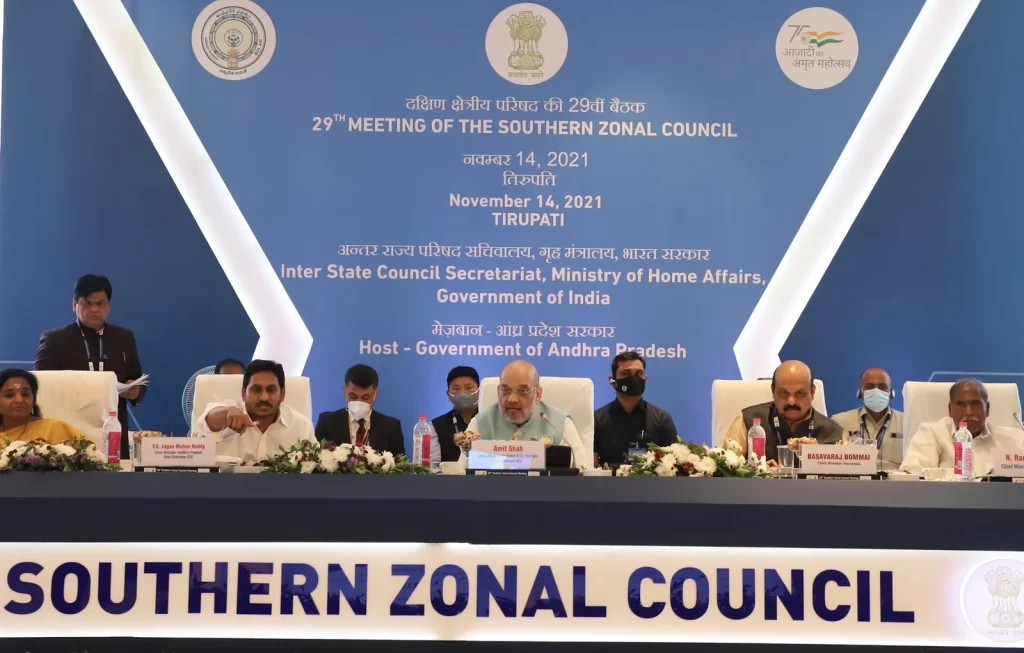
Amit Shah language row a needless distraction, non-issue Amit Shah language row a needless distraction, non-issue Chandrasekaran Balakrishnan December 7, 2021 Tamilnadu Economy Union Home Minister Amit Shah said at the recent Southern Zonal Council meeting that all home ministry files are being written only in Hindi.                                                                                                                                           Read in : தமிழ் Languages evolve and spread when a common cultural norm is created among communities due to social cohesion. This is true of all languages and of Tamil also. No one person or community can claim ownership for the creation and diffusion of languages over time. One may have passion towards a language but obsession is not healthy. This will make people devalue other languages. No language is good or bad. Every language is unique in its own form. People cherish the choice they have to learn and use the language. During the Independence movement, India’s leaders were mostly multilingual in speaking and sometimes in writing as well. But today’s milieu is not conducive to learning one or more languages than the mother tongue. Some crude public debates and discourses have been lingering for several decades now in Tamil Nadu that narrowly propagate one language over others. This goes against the legacy and ethos of the very languages that are promoted. The Tamil vs Hindi or the Tamil vs Sanskrit controversy is doing injustice to the makers of the Constitution of India and its values and principles. The Constitution provides equal opportunities to every citizen to learn their choice of languages without restriction across the country. However, the predatory nature of regional polity is such that one language is mocked. Votebanks are sustained and the media is used to inflame public opinion. These political agencies time and again utterly ignore that Indian society is multilingual and multicultural.   No language is good or bad. Every language is unique in its own form. People cherish the choice they have to learn and use the language The case in point is the reference to the recent remarks made on Hindi language by the current Union home minister at a Southern Zonal Council meeting held at Tirupati. The meeting was attended by southern states’ political representatives and government officials primarily to sort out the underpinning regional and inter-state issues and challenges.Several important aspects were taken up for discussion and were reported that many were resolved (40 out of 51 issues). Unfortunately, the media was interested more in sensationalism to create news and controversy. In a multilingual and multicultural society such as ours, stances on language are bound to be misinterpreted. And the media takes advantage of this to sensationalize. The Indian media has played a key role in sustaining our democracy but in recent times the actual purpose of a vibrant media has got muted. The 29th meeting of the Southern Zonal Council chaired by the Union Home Minister comprised all the southern states and UTs. Today there is a need for a strong Centre-State and inter-state relations in the true spirit of federalism emphasized under the Constitution of India. Five Zonal Councils were set up in 1957 under Section 15-22 of the States Re-organization Act, 1956. The Home Minister is the Chairman of all the five Zonal Councils and the chief ministers of the host state (to be chosen by rotation every year) are the vice-chairmen. Two more ministers from each state are nominated as members by the Governor. The zonal councils primarily aim to resolve disputes and irritants between the Centre and the states and among the states in the zone. The councils discuss a broad range of issues which include boundary-related disputes, security, infrastructure-related matters like road, transport, industries, water, and power, matters about forests and environment, housing, education, food security, tourism, and transport. It has been reported that arrangements were made by the Union government so leaders could speak in their regional languages and their speeches were translated verbatim in English and Hindi. The Tamil Nadu minister for higher education represented the government of Tamil Nadu and “raised the issue of size and capacity of fishing boats to be used in the Indian Exclusive Economic Zone and the transfer of railway lands for Metro Rail projects.” Further, we learn that the Tamil Nadu chief minister had urged the council to “make Tamil one of the official languages of the country” and also to “declare Thirukkural as the National Book”. We do not know whether the state government tried to sort out water sharing issues with states like Kerala. The home minister’s comments about Hindi were not against the spirit of the Constitution nor against regional languages. He said, “Hindi is the friend (sakhee) of all indigenous languages (swabhasha). India’s prosperity lies in the prosperity of our Indian languages”. He also said that “we need to create an environment wherein people take pride in speaking their mother tongue”. Nothing is wrong with these statements. A few people may find fault with this due to their narrow mindset and vested interests though.   When P Chidambaram was home minister during 2008-2012, all the files in the home ministry were written in English, not in Hindi. The reason was that he was comfortable with English. However, his statement, “Today I feel very proud to say that not even a single file is written in English in the Union Home Ministry. We have completely adopted the official language (Hindi)”, become a media sensation and controversial in Tamil media for no valid reason. Those who argue that the above statement is against regional languages tend to forget that when P Chidambaram was home minister during 2008-2012, all the files in the

Amit Shah language row a needless distraction, non-issue Read More »

Mullaiperiyar: A playing field for vested interests in linguistic states

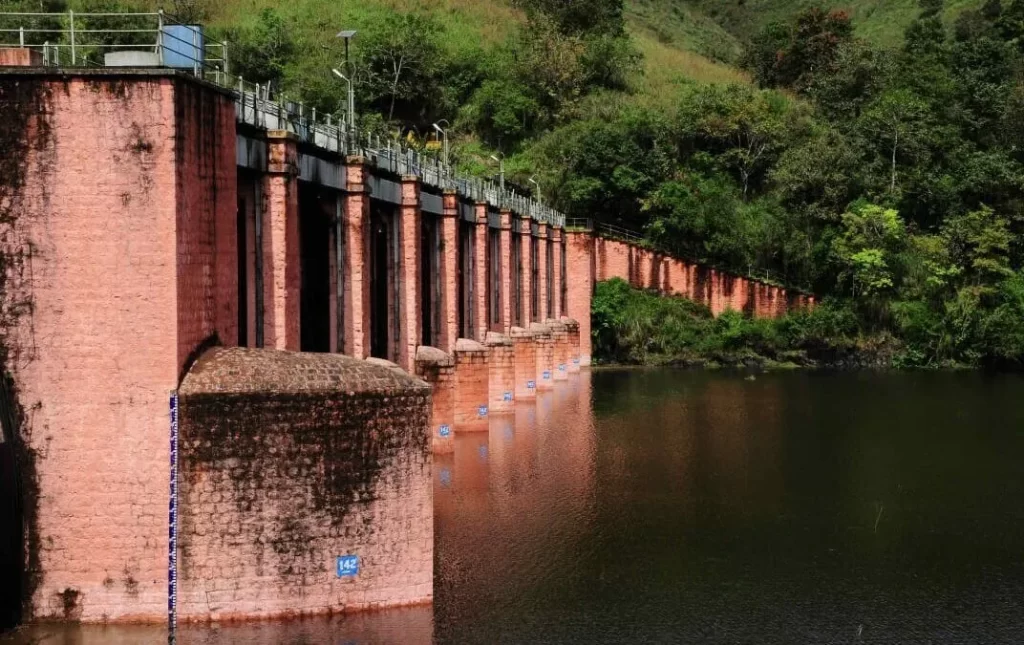
Mullaiperiyar: A playing field for vested interests in linguistic states Mullaiperiyar: A playing field for vested interests in linguistic states Chandrasekaran Balakrishnan November 17, 2021 Tamilnadu Economy Read in : தமிழ் During the freedom struggle against the British, there was a deep sense of oneness among the people. Creation of administratively autonomous states based on language after Independence has become a structural hurdle against national pride.  It has led to miscommunication among the people driven by sentiments. It has also led to a lack of pride in belonging to a diversified civilizational nation with a culture of its own and family value systems. Economic development was pursued based on imported ideas and policies at the cost of environmental, social, and cultural norms. As a result, regional disputes have become festering sores. The Mullaperiyar Dam issue is one such issue that has been persisting since the 1960s showing deeply flawed thinking in Tamil Nadu as well as Kerala.  In a different context, development economist Yamini Aiyar recently stated that “our shared histories, cultures and geographic interconnectedness are a source of great strength and power. But without careful nurturing, these very interconnections and shared histories are a tool for a deep, divisive, and violent politics that is increasingly gaining domestic legitimacy within … across the region. Such a politics will leave each individual nation more vulnerable and at far greater risk of re-living the traumatic violence of its past. A strong, peaceful, connected … is at the heart of protecting national interest within the region.” This is true of the Mullaperiyar dam issue between Kerala and Tamil Nadu as well as the Cauvery water issue between Karnataka and Tamil Nadu and the Krishna water issue between Andhra Pradesh and Tamil Nadu. In 1979, because of the controversy that had erupted, storage level was reduced from a full capacity of 152 ft to 136 ft.   However, as one report rightly stated, “the equation between the two States is far more complex than those of Tamil Nadu with Karnataka. With Kerala,Tamil Nadu has issues on several river waters, such as Parambikulam-Aliyar, Siruvani of the Bhavani sub-basin, Neyyar, and the proposal for linking the Pamba and Achankovil rivers of Kerala with Vaippar of Tamil Nadu. But, in the case of Karnataka, Cauvery is the only river to be considered.” The main dispute is the appropriateness of the dam’s water level. The safety aspects of Mullaperiyar dam trace back to the 1960s when mysterious stories erupted in a national daily after a Kerala flood raising concerns over the safety of the dam. It has been four decades now but safety concerns are yet to be proved scientifically or advanced from the basic features which were cited as main reasons initially. The main dispute is the appropriateness of the dam’s water level. Since the dam commissioning in 1895, almost everything went smoothly for nearly eight decades. In 1979, because of the controversy that had erupted, storage level was reduced from a full capacity of 152 ft to 136 ft. But this did not tamp down fears in Kerala. It is possible there are other factors at work behind the demand for the safety of the dam. Judicial intervention has provided a concrete roadmap for the states. The Supreme Court gave two separate judgments, in 2006 and 2014, and directed that water level can be raised to 152 ft. It also directed the formation of a committee for oversight. So, the system is in place as it should be in a rule-based practicing democracy. Educated, but ill-informed people in academia, a section of the media and film actors are among those who are working against giving the other state its constitutional due, Scientists and experts have gone into the intricacies of dam safety. Courts gave specific mandates for the experts and their opinion formed the basis for judicial intervention. But these have been completely ignored by some media outlets that have launched a campaign against the dam. International forces, academic and non-academic, are working against the interests of both states, thus jeopardizing national interest. Their warnings on dam safety are based on vague estimations and predictions. One such report is “Ageing water infrastructure: An emerging global risk” by United Nations University’s Canada-based Institute for Water, Environment and Health. Instead of producing country-specific working papers and making raw data available in the public domain, the report seeks to make a generic conclusion including on Mullaiperiyar issue that the media in Kerala has recently highlighted as a cause for concern. Poor communication between water management authorities of both states and mismanaging critical situations covering dam water storage, release, maintenance and so on has contributed to the problem. Part of the current controversy is due to the unusual rains and devastating floods in Kerala. Misjudging of the rains and the possibilities of flooding has contributed to the problem. The Mullaperiyar dam comes in handy to divert people’s attention. Poor communication between water management authorities of both states and mismanaging critical situations covering dam water storage, release, maintenance and so on has contributed to the problem. Rejuvenating and restoring hundreds of water bodies like streams, odai, tanks, ponds and lakes, downstream of the dam is not being given enough attention in Tamil Nadu. These measures could boost groundwater and offset the requirement on the water from the dam. But these issues are not given adequate attention. Tamil Nadu and Kerala have much in common and have a shared civilizational journey with many common cultural, family and social values. Both sides should introspect and avoid acrimony while protecting each state’s interests. Unbiased scientific data on dam safety and water use should be the basis of solutions. At present, authorized studies commissioned by governments on dam hydrology, structural stability, and the problem of seismicity are not available in the public domain. One way is for both states to abide by the rule curve set by the Supervisory Committee formed by the Supreme Court. Secondly, bigots on both sides should be quickly punished so distrust between the peoples is

Mullaiperiyar: A playing field for vested interests in linguistic states Read More »

Revised-tamil-nadu-budget-for-2021-2022-self-inflicted-contradictions-without-vision-for-clean-governance

Revised Tamil Nadu Budget for 2021-2022: Self-Inflicted Contradictions without Vision for Clean Governance Revised Tamil Nadu Budget for 2021-2022: Self-Inflicted Contradictions without Vision for Clean Governance Chandrasekaran Balakrishnan September 1, 2021 Public Policy   The regional economic performances would be taken a serious note on account of the COVID pandemic in India for a meaningful recovery. This is so subtly true not just the handling of general public health crisis erupted due to COVID pandemic at regional levels but overall scheme of pandemic management concerning political economy, society and the lockdowns imposed by the governments. The annals of the pandemic would be better understood after several years of efforts with the right sets of data. The states like Tamil Nadu stand out as unique in their respect.The Dravida Munnetra Kazhagam (DMK) which came to power after a gap of a decade was quick to recognize the fact that Tamil Nadu is not all that bad in every aspect in the spheres of economic, environmental, and social development. But the same DMK had whined on every single issue during the last decade, just because it has been out of power. Therefore, it is interesting to note the steps being taken by the DMK government; it would be closely watched by every quarter whether steps taken by the government would be different from the previous government because this government like others comes with huge baggage. Two recent documents of the DMK government expose: what it promised as pre-poll agenda, what it intends to do on the ground irrespective of the strengths and weakness of the State of the economy, and where the Tamil Nadu economy stands out in the national economic perspective as the second-largest economy in the country. The first one is the “White Paper on the State of Finance” and the second is the Revised Budget for the current Financial Year 2021-2022.  Each one warrants complete scrutiny not just because it’s the DMK government’s documents but because it would be very imperative to take forward the issues in the right perspective for a better future. Though the DMK government has to be congratulated for boldly bringing out the White Paper on Tamil Nadu Government’s Finances with facts and figures, the public debates at large forget about what it has omitted. It has done this despite very well knowing its conflicting facts and figures mentioned in the past as well as the in the last three months after assuming office. It would be good to have a white paper on all major sectors so that the present status would be better informed for public discourse if not for taking corrective mechanisms to overcome.This article briefly looks at the revised budget for 2021-22 which was presented on 13.08.2021 more than two months after the DMK took over office. The budget was presented by the Finance Minister Dr. Palanivel Thiaga Rajan, maybe for the first time by someone, who is a not seasoned politician. His wide outspoken tone on various subject matters did not match with the budget announcements. Looking at the sectoral issues and challenges faced by the Tamil Nadu economy, the budget hardly recognizes the urgency and disparity faced by several of them before taking steps to revive.The budget’s announcement in key sectors like health, education, road, transports, power, water resources, police, judicial, public distribution, etc. needs substantial rethinking with new ideas for better governance to fix the prevailing challenges which are no less than lingering for years now. It is the typical budget of DMK with a few tweaks here and there. However, it is so sobering to note that in the tenth paragraph of the budget speech, the finance minister mentions that “The White Paper, released on 9th August 2021… has laid bare the dismal record of fiscal mismanagement of the past decade, including the elevated deficits and consequent debt overhang from the previous Government.” The white paper has to be analysed separately in the right perspective keeping in mind the track records of the political economy of the state because the white paper misses many important aspects.  While the DMK government after assuming office in May, 2021 had issued “securities in the form of Stock” for availing loans of more than Rs.15,000/- crores for providing freebees which were promised in their election manifesto. Moreover, the present DMK government has announced free city bus rides for women which amount loss of more than Rs.1200/- crores annually. This has been done by knowing the fact that the Tamil Nadu state transport corporations are already overburdened with losses of over Rs.33,000 crores.  Further, the government has announced “waiver of co-operative jewel loans and loans to Self Help Groups” which together amounts to Rs.7,559.95 crores. If the DMK is seriously concerned about the “debt overhang” of the state they should not have sanctioned the above loans which will be paid back after twenty years or thirty years period by which time God knows who will be in power. This is a classic case of self-contradiction of the present DMK government which pretends to set right the systemic imbalances of state finances over the next few years. The finance minister has announced that the government would work towards the “Data-Centric Governance” which is near impossible to think about, keeping in mind the performance of past DMK governments because the ground realities have not changed anything by virtues of its foregone conclusions; because if any cleaning has to take place in the overall governance it has to start from its party governance and its cadre.  Nevertheless, it is worth noting the following announcements made in the budget: An advisory council to develop a Federal Fiscal Model with renowned experts on legislation involving revenue and taxation  A cross-departmental initiative to link all available Government data sources  Landbank of all state government lands for better utility and monetization  E-procurement will be mandatorily adopted across all procuring entities  Smart metering for all public utilities  This slew of data-centric governance reforms announcement made in the budget for the governance of government affairs makes

Revised-tamil-nadu-budget-for-2021-2022-self-inflicted-contradictions-without-vision-for-clean-governance Read More »

Skills-for-Atmanirbhartha

Skills for Atmanibhartha Skills for Atmanibhartha Chandrasekaran Balakrishnan August 21, 2021 Skills Development Sector   Atmanirbhar Bharat Abhiyaan or Self-reliant India campaign is the vision of new India envisaged by the Hon’ble Prime Minister Shri Narendra Modi. On 12 May 2020, our PM raised a clarion call to the nation giving a kick start to the Atmanirbhar Bharat Abhiyaan (Self-reliant India campaign) and announced the Special economic and comprehensive package of INR 20 Lakh Cr- equivalent to 10% of India’s GDP – to fight COVID-19 pandemic in India. The aim is to make the country and its citizens independent and self-reliant in all senses. He further outlined five pillars of Aatma Nirbhar Bharat – Economy, Infrastructure, System, Vibrant Demography and Demand. Finance Minister further announces Government Reforms and Enablers across Seven Sectors under Aatmanirbhar Bharat Abhiyaan. The government took several bold reforms such as Supply Chain Reforms for Agriculture, Rational Tax Systems, Simple & Clear Laws, Capable Human Resource and Strong Financial System. Facebook Instagram X-twitter

Skills-for-Atmanirbhartha Read More »

Cities-need-to-adopt-a-bundle-of-fundamentals-case-study-of-erode-in-tamil-nadu

Cities need to adopt a bundle of fundamentals: Case study of Erode in Tamil Nadu Cities need to adopt a bundle of fundamentals: Case study of Erode in Tamil Nadu Chandrasekaran Balakrishnan May 18, 2021 Urban Development   The developmental pedals of a country or state or even a city depends upon its people’s democratic exercise of the bundle of fundamentals or the desire to fulfil their objectives in life and work. When the matters pertaining to the progress of a region are left entirely to the government or state machinery, it leads to dismay and destruction of everything they do in the name of development. One does not require a Ph.D. to realise this grave reality.We have a written Constitution premised on ‘We, the People of India’. But in times of crisis, the people’s representatives often turn out to be undemocratic; deviating from the constitutional provisions and eventually failing to live upto the aspirations of the people who elected them.It was not hard to discuss and compare Indian cities with the best cities around the world until two decades ago. Though in theory, there were ultra comparative narratives printed on the walls of the academic domain, the underlying truth was far removed from those narratives which are even now the anathema of the public policy-making domain. The fundamental flaw, which has become institutionalised over the years, is the non-availability of comprehensive data about the affairs of cities’ development and status of citizens’ services listed in the constitutional amendments, which was enacted nearly three decades ago. Over the years, the institutionalisation of delivery mechanisms in cities or urban growth centres were treated as a slave to the State and Union governments. Both the State and Union Governments were time and again deprived of the administration of Cities and its governance systems by not devolving the powers of administrative and financial autonomy which are essential for for the local governments to directly deal with people. On the other hand, the finance commissions were directly providing financial allocations to local governments without even taking cognizance of the evaluation done by The Comptroller and Auditor General of India (CAG) and its recommendations to change in the structural governance system and services deliveries.   Practically, if a city aims to thrive on all aspects of development it needs to put a few fundamentals into order to support the dynamic role perpetually to play a thriving growth and development of the city. The basics are 1. Availability of comprehensive data on the City in the public domain 2. Collaboration with public or private research/academic institutions to  analyse data 3. Effective implementation of city administration’s own professionally commissioned reports and committees recommendations 4. City’s governance systems have to upgrade to the latest information and communication technology tools to enhance its efficiency and transparency; and 5. a proper grievance redressal system to address the concerns of city residents           These aspects are no way idealistic but basic and an essential transformative way to help cities grow organically instead of vaguely serving the vested interest groups such as real estate agencies, ruled and ruling elite political class, unfair trade, and business networks, etc. These groups operate hand in glove with the city’s bureaucracy mainly to dilute the city governance systems perpetually and to degrade it over a period of time.Public policies in cities need to provide an enabling environment and a level-playing field to promote and nurture its      common identities with a strong governance system in place and to protect the interests of all. However, a tiny city like Erode in the western part of Tamil Nadu indicates anything but this  in the sense of good governance. Recently, there was news that the district administration of Erode has invited suggestions from the public to improve its road traffic systems, although the district administration has a very limited role in the growth and development of city administration and reforms. The GIZ supported project (2018) on “Land Use Planning and Management Project (LUPM)” for the State of Tamil Nadu- Coimbatore Regional Plan – 2038 Volume 2 Erode Sub Region emphasis that “Erode is also a part of the upcoming Coimbatore-Salem Industrial Corridor, where Erode plays an important part in the Manufacturing and Business Investment Region II as a strategic location for energy industries and logistic services and in Agri-Business Investment Region.” Erode District Administration announced a research project has been given to the National Transportation Planning and Research Center (NATPAC), Government of Kerala. The project would be funded by a local NGO in public interest. Any best-equipped institution with a track record can be given the opportunity to study and provide solutions to city traffic challenges with scientific data and analysis of logical conclusions.However, given the capacity of the state and the city concerned, it is important to raise a few pertinent questions. Why is the project not funded by Erode City Corporation or Erode District Administration themselves? Why was the project given to NATPAC of Kerala Government instead of Tamil Nadu Government’s Institute of Road Transport (                in 1976), which has domain experts in the field of road traffic issues.  On the face of it, one can presume that the IRT was not effectively supporting cities in the State facing road congestions. Further, urban development agencies in the state such as the Tamil Nadu Urban Infrastructure Financial Services Limited (TNUIFSL) or The Institute of Road and Transport Technology (IRTT), an engineering college established in 1984 by the state government, are also not given opportunity to do the project. The IRTT is based out of Erode District and is part of Erode City but found to be irrelevant to the realities of cities. These essentially indicate that these agencies are not in collaboration with city or district administrations in order to reduce road traffic challenges in the state.  Further, it is well-known that during the last two decades, several Expert Reports were commissioned on the affairs of Erode city development including on reducing the road traffic congestions, funded by both the Erode

Cities-need-to-adopt-a-bundle-of-fundamentals-case-study-of-erode-in-tamil-nadu Read More »

சக்கரவர்த்தி ராஜகோபாலாச்சாரி (1879-1972) | பா.சந்திரசேகரன்

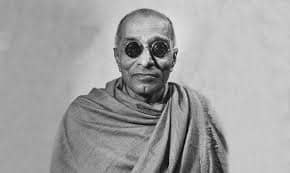
சக்கரவர்த்தி ராஜகோபாலாச்சாரி (1879-1972) | பா.சந்திரசேகரன் சக்கரவர்த்தி ராஜகோபாலாச்சாரி (1879-1972) | பா.சந்திரசேகரன் Chandrasekaran Balakrishnan March 4, 2021 Tamil Articles  இன்றைய தமிழகத்தில் மட்டுமில்லாமல், இந்தியாவில் மற்ற பகுதியிலும் சரி, சக்கரவர்த்தி ராஜகோபாலாச்சாரி என்ற மாமனிதர், ஒரு தமிழர், பல்துறை அறிஞர், நம் நாட்டிற்கு அளித்த பங்களிப்பைப் பற்றி இன்றைய தலைமுறைக்கு பெரும்பாலும் தெரியாது. ராஜாஜியின் வாழ்க்கை வரலாறு திட்டமிட்டே மறைக்கப்பட்டது என்பது துரதிர்ஷ்டம்.  ராஜாஜி மறைந்து 48 ஆண்டுகள் ஆகின்றன. ராஜாஜியின் வாழ்க்கை வரலாறு, அவரின் எண்ணற்ற தமிழ் மற்றும் ஆங்கிலப் படைப்புகள் மறைக்கப்பட்டது, எதோ தனி நபருக்கு மட்டும் ஏற்பட்ட இழப்பல்ல, வருங்கால சந்ததியினருக்கும் மற்றும் நம் தேசத்துக்கும்தான். சர்வதேச அளவில் மிகச்சிறந்த அரசியல் சாசன, சமூக சீர்திருத்தச் சிந்தனையாளர், அறிவுஜீவி மற்றும் பொருளாதார சிந்தனையாளராக போற்றப்பட்டவர் ராஜாஜி. ஆனால் ராஜாஜிக்கு தமிழகத்தில் போதிய மரியாதையும் மதிப்பும் அளிக்கப்படவில்லை. மூச்சுக்கு முப்பது தடவை மூதறிஞர் என்று அரசியல் ஆதாயத்துக்கு மட்டும் அவரை பட்டப்பேர் வைத்து அழைப்பது என்பது தவிர்க்க முடியாமல் போய்விட்டது சில அரசியல் கட்சிகளுக்கு. நமது நாட்டின் மிக உயரிய தேசிய குடிமையியல் விருதான முதல் பாரத ரத்னா விருது ராஜாஜிக்கும் மற்றும் அறிவியலில் நோபல் பரிசு பெற்ற சி.வி.ராமணனுக்கும் 1954ம் ஆண்டு வழங்கப்பட்டது. ஆனால் இரண்டுபேரும் தங்களுக்கு அளிக்கப்பட்ட பாரத ரத்னா விருதை அவர்கள் பொது வாழ்க்கையிலோ அல்லது தனிப்பட்டமுறையிலோ எங்கும் பயன்படுத்தியதில்லை. ராஜாஜிக்கும் ராமனுக்கும் பல்வேறு கல்வி நிறுவனங்கள் மற்றும் பல்கலைக்கழங்கள் கௌரவ முனைவர் பட்டம் வழங்கின. ஆனால் அவர்கள் அதையெல்லாம் ஒரு பெரிய விஷயமாகக் கருதவில்லை. ஏனென்றால் அவர்களின் நோக்கம் இந்த விருதுகளையெல்லாம் பெறுவது அல்ல. இரண்டுபேருமே ஜவாகர்லால் நேருவின் அரசியல், சமூக மற்றும் பொருளாதார கொள்கையை எதிர்த்தார்கள். தன்னலமற்ற தேசத் தொண்டு, தெய்வீகப் பற்று, பொது வாழ்க்கையில் பின்பற்றிய நேர்மை, தூய்மை, தேசியச் சிந்தனை, அறிவியல் பூர்வமான ஆலோசனைகள், ஆக்கபூர்வமாக வெளிப்படுத்திய முற்போக்கான சிந்தனைகள் என்று ஏராளமான விஷயங்களில் ராஜாஜியின் வாழ்க்கை விசாலமானது. எந்த ஒரு பாகுபாடும் இல்லாமல் எல்லாத் தரப்பு மக்களுக்குமாகச் செயலாற்றியவர் ராஜாஜி. அவரின் நிர்வாகத் திறமையை உலக அறிஞர்கள் போற்றியுள்ளார்கள். ராஜாஜி தேர்ந்த வழக்கறிஞர், சுதந்திரப் போராட்டத் தலைவர், அரசியல்வாதி, எழுத்தாளர், மொழிபெயர்ப்பாளர். சமய, இதிகாச, தத்துவ எழுத்தில் ஒரு புதிய பாணியைப் படைத்து எல்லா வடிவங்களிலும் தமிழிலும் ஆங்கிலத்திலும் 50க்கும் மேற்பட்ட நூல்கள் எழுதியுள்ளார் ராஜாஜி. 1946ம் ஆண்டு அமைக்கப்பட்ட இடைக்கால அரசில் தொழில், கல்வி மற்றும் நிதித்துறை அமைச்சராகப் பதவி வகித்தார். சுதந்திரத்துக்கு முன்பு சென்னை மாகாண முதலமைச்சராக 1937 முதல் 1939 வரை பதவி வகித்தார், விடுதலை பெற்ற இந்தியாவின் முதல் கவர்னர் ஜெனரலாக (1948 முதல் 1950 வரை) பதவி வகித்தார். 1952 முதல் 1954 வரை தமிழகத்தின் முதலமைச்சராக இருந்தவர். 1947 முதல் 1948 வரை மேற்கு வங்க ஆளுநராகவும், 1951 முதல் 1952 வரை உள்துறை அமைச்சராகவும் பதவி வகித்தார். ஆனால் ராஜாஜியை, அரசியலாகட்டும், இலக்கியத் துறையாகட்டும் தமிழக அறிஞர்களாகட்டும், எந்த ஒரு இயக்கமும் போற்றுவதில்லை. இன்றைய இளைய தலைமுறைக்கு அவரின் கொள்கைகள், கருத்துக்கள் மிகவும் அவசியம் என்பதைப் புரிந்து, அதனைக் கொண்டுசேர்க்க ஒருவருமில்லை என்பது மிகவும் வருத்தமளிக்கிறது. இந்தப் போக்கு நாட்டுக்கு நல்லதல்ல. இந்திய அரசின் தகவல் ஒலிபரப்பு அமைச்சகம் வெளியிடும் ‘நவபாரத் சிற்பிகள்’ என்ற தொகுப்பில், ராஜாஜி பற்றிய வாழ்க்கை வரலாற்றுப் புத்தகம் 2002ம் ஆண்டுதான் ஆங்கிலத்தில் வெளியிடப்பட்டது. அதாவது ராஜாஜி அவர்கள் இறந்து முப்பது வருடங்களுக்குப் பிறகு ஆர்.கே.மூர்த்தி என்பவரால் எழுதப்பட்டு வெளியிடப்பட்டது. அந்தப் புத்தகத்தை தமிழாக்கம் செய்தவர் எஸ்.கணேசன் என்பவர். இவ்வளவு தாமதம் ஏன்? ராஜாஜி அவர்களின் வாழ்க்கை வரலாற்றுப் புத்தகம் முப்பது ஆண்டுகளுக்கு ஒதுக்கப்பட்டது என்பது மிகவும் துரதிர்ஷ்டவசமானது. ராஜாஜி இரண்டு முறை சென்னை மாகாணத்தின் முதல்வராக இருந்த போது பல சீர்திருத்தங்களைக் கொண்டு வந்தார். அதில் மூன்று மிக முக்கியமானவை: மதுவிலக்கு, புதிய கல்விக் கொள்கை மற்றும் அனைவருக்கும் ஆலய வழிபாடு. சமுதாயத்திற்கும் நாட்டின் பொருளாதார வளர்ச்சிக்கும் ஏற்ப, நடைமுறை சார்ந்த செயல்முறைக் கல்வித் திட்டம்தான் ராஜாஜி கொண்டுவந்த கல்விக் கொள்கை. அந்த கல்விக் கொள்கையைப் பாமர மக்களிடையே பொய்யான கருத்தைப் புகுத்தித் திசைதிருப்பிவிட்டார்கள் சில தேச விரோதிகள். நாட்டின் கவர்னர் ஜெனரலாகப் பதவி வகித்த ராஜாஜி எப்படி பிறகு ஒரு மாநிலத்தின் முதலமைச்சர் பதவிக்கு ஆசைப்படலாம் என்றும் வினவுகிறார்கள் சிலர். அன்றைக்கு மட்டும் ராஜாஜி தமிழகத்தின் முதல்வராக வரவில்லை என்றால் கம்யூனிசம் என்ற தேச விரோத தீய சக்தி தமிழகத்தில் ஆட்சி அதிகாரத்தில் பங்குவகித்து மாநிலத்தை குழிதோண்டிப் புதைத்திருக்கும் என்பதை நாம் நினைவில் கொள்ளவேண்டும். பூரண மதுவிலக்குக்கு ஆதரவாக ‘விமோசனம்’ என்ற ஒரு தனி இதழையே நிறுவி நடத்தியவர் ராஜாஜி. அவர் இறப்பதற்கு முன்பு அன்றைய காலகட்டத்தில் அவரால் ஆட்சிக்கு வந்த கட்சியின் முதல்வரை நேரில் பார்த்து பூரண மதுவிலக்குக்கு ஆதரவாகக் குரல் கொடுத்தவர் ராஜாஜி. இன்றைய தமிழக மது எதிர்ப்புப் போராளிகள் அவரை மறந்துவிட்டார்கள். இன்றைய தலைவர்களின் கருத்துக்கும் அவர்களின் நிஜவாழ்க்கை நடத்தைக்கும் எந்த வித்தியாசமில்லாமல் போய்விட்டது. ஆனால் ராஜாஜி அப்படி இருக்கவில்லை. ராஜாஜி கொண்டுவந்த புதிய கல்வித்திட்டம் இன்று மேலை நாடுகளில் பரவலாகச் செயல்முறைப்படுத்தப்பட்டுள்ளது. கைத்தொழில் மற்றும் சுயதிறன் வளர்ப்பு என்பற்றை மிக முக்கியக் குறிக்கோளாக அனைத்து மேலைநாடுகளும் பின்பற்றிவருகினறன. அதைத்தான் ராஜாஜி என்றே கல்வித்திட்டத்தில் கொண்டுவந்தார். ஆனால் என்னவென்று தெரியாமலேயே அதை வேண்டுமென்றே திரித்துப் பொய்ப்பிரச்சாரம் செய்தார்கள். சமீபத்தில் அறிவிக்கப்பட்டுள்ள புதிய தேசிய கல்விக் கொள்கை, ராஜாஜி எடுத்துரைத்ததுபோல பல்வேறு அம்சங்களைத் தன்னகத்தே கொண்டுள்ளது. ராஜாஜியின் கல்விக் கொள்கையைப் படிக்காமலேயே இன்றும் சிலர் ‘குலக் கல்வித் திட்டம்’ என்று திட்டமிட்டே மக்களிடம் பொய்ப்பிரச்சாரம் செய்துவருகிறார்கள். ராஜாஜி சொன்ன குலக்கல்விக்கும் இன்றைய தொழில் கல்விக்கும் என்ன தொடா்பு என்று வினவுகிறார் தேர்ந்த அரசியல் தலைவர் கே.பி. இராமலிங்கம். அவர் மேலும் கூறுகிறார்: ‘அடிப்படைக் கலைகள், கைவினைப் பயிற்சிகள், விளையாட்டு, உடல்திறன், மொழி, இலக்கியம், பண்பாடு, சமூக மதிப்பீடுகள் ஆகியவற்றுடன் அறிவியலும் கணிதமும் கற்றுக் கொடுக்கப்பட்டு, மாணவா்களை அனைத்துத் துறைகளிலும் தகுதி பெற்றவா்களாக வளா்த்தெடுக்க வேண்டும் என்று இந்த புதிய கல்விக் கொள்கை தீா்மானித்திருக்கிறது. கல்வி என்பது மாணவா்களுக்குப் பயனளிப்பதோடு அவா்களின் ஆளுமையைச் செதுக்கக் கூடியதாகவும் அவா்களை அறவிழுமியங்களைக் கடைப்பிடிப்பவா்களாகவும், அறிவுபூா்வமாக சிந்திப்பவா்களாகவும், அதே நேரத்தில் வேலை வாய்ப்புகளைப் பெறக்கூடிய தகுதி பெற்றவா்களாகவும் உருவாக்க வேண்டும் என்பதே இந்தப் புதிய கல்விக் கொள்கையின் லட்சியம்.’ இதைத்தான் ராஜாஜியும் அன்றே யோசித்தார். ‘சுயஒழுக்கம், கட்டுப்பாடுதான் மனிதனின் பரிணாம வளர்ச்சியின் வெளிப்பாடு. அதுவே அவனது கலாசாரம், அந்த கலாசாரமே சமூகத்தின் அச்சாணி. அந்த அச்சாணியே மனித இனத்துக்கு அனைத்து வகையிலும் அமைதி வழியில் வளர்ச்சியை ஏற்படுத்திக்கொடுக்கும்’ என்பது ராஜாஜியின் எண்ணம். 1939ம் ஆண்டு சென்னை மாகாணத்தின் பிரதம மந்திரியான ராஜாஜி, ஆதி திராவிட மக்களின் ஆலயப் பிரவேசத்திற்குச் சட்டம் பிறப்பித்தார் என்பதை இன்று தமிழக அரசியல் கட்சிகள் வெளிப்படையாகத் தெரிவிக்க மறுக்கின்றனர். ராஜாஜி நேரடியாக கம்யூனிசத்தை எதிர்த்தவர். கம்யூனிச சித்தாந்தத்தால் நமது நாட்டுக்கு எல்லாவிதத்திலும் அழிவுதான் ஏற்படும் என்பதை தீர்க்கமாக வெளிப்படுத்தியவர். ராஜாஜி மற்றும் ஜவாஹர்லால் நேருவுக்கும் இடையே கொள்கை ரீதியாகப் பல்வேறு கருத்து வேறுபாடுகள் நிலவின. நம் நாட்டுக்கு எந்தக் கொள்கை உகந்தது என்பதில் நேரு பல வகையில் தவறிவிட்டார். அதை ராஜாஜி சுட்டிக்காட்டத் தவறவில்லை. ராஜாஜி ஒரு தீர்க்கதரிசி என்பதை நம் கடந்த எழுபது ஆண்டு வரலாறு பிரிதிபலிக்கிறது. இன்று நாடு முழுவதும் அமுலுக்கு வந்துள்ள வரி விதிப்பு முறையை அன்று ராஜாஜி முதன்முதலில் அமுலுக்குக் கொண்டு வந்தார்! நாட்டின் சுதந்திரத்துக்காக போராடிய காங்கிரஸ் கட்சியில் இருந்து விலகிய ராஜாஜி ‘சுதந்திராக் கட்சி’யை நிறுவுவதற்கு முன்பு ‘இந்திய தேசிய சனநாயக காங்கிரசு’ (1957–1959) என்ற கட்சியை நடத்தி வந்தார் என்பது பலபேருக்குத் தெரியாது. ராஜாஜி இந்திய பாரம்பரியமிக்க, தாராளமயத்தைக் கொள்கையாகக் கொண்ட சுதந்திராக் கட்சியை நிறுவி 1962, 1967 மற்றும் 1972 பொதுத் தேர்தல்களில் ஒரு மாபெரும் அரசியல் மாற்றத்தை ஏற்படுத்தினார். நாடாளுமன்றத்திலும் சுதந்திராக் கட்சி 45 இடங்களைப் பிடித்து முதன்மை எதிர்க்கட்சியாக விளங்கியது. சென்னையை தமிழகத்துக்குக் காத்துக் கொடுத்தவர் ராஜாஜி. அதேபோல் கன்னியாகுமரியை தமிழகத்துடன் இணைத்துக் கொடுத்தவரும் இவரே. ஆரம்பகட்ட சுதந்திரப் போராட்டக் காலகட்டத்தில் பாலகங்காதர திலகரின் குழுவில் செயல்பட்டவர் ராஜாஜி. அப்போது மகாத்மா காந்திஜி இந்தியாவிற்கு முழுவதுமாகத் திரும்பி இருக்கவில்லை. சுதந்திரப் போராட்டக் காலம்தொட்டு, தன் இறுதி நாள் வரை ராஜாஜி நாட்டுக்காக யோசித்தார், எழுதினார், செயல்பட்டார். ராஜாஜி தமது எழுத்தாற்றலால் ஆங்கில இலக்கியத்திற்குச் சிறப்பாகப் பங்களித்துள்ளார். தமிழிலும் ராமாயணம் மற்றும் மகாபாரதம் காவியங்களை எழுதி உள்ளார். நாட்டின் நிதிச்சுமையைக் கருதி அன்றே ராஜாஜி எடுத்துரைத்த ‘ஒரே நாடு ஒரே தேர்தல்’ முழக்கத்தை இன்றைய பாரதப் பிரதமர் திடமாக நம்புகிறார். இதுபோல் ராஜாஜி எண்ணற்ற, தேச நலன் சார்ந்த பல கருத்துக்களை அன்றே எடுத்துரைத்துள்ளார். காலத்தின் முன்னோடி ராஜாஜி. ராஜாஜியின் கருத்துகளை இன்றைய தலைமுறைக்குக் கொண்டுசெல்லவேண்டியது நமது தலையாய கடமை.   https://valamonline.in/2021/03/rajaji.html#more-2714             Facebook Instagram X-twitter

சக்கரவர்த்தி ராஜகோபாலாச்சாரி (1879-1972) | பா.சந்திரசேகரன் Read More »

சி.வி.ராமன் (1888-1970) | பா.சந்திரசேகரன்

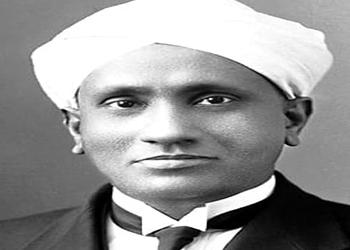
சி.வி.ராமன் (1888-1970) | பா.சந்திரசேகரன் சி.வி.ராமன் (1888-1970) | பா.சந்திரசேகரன் Chandrasekaran Balakrishnan February 9, 2021 Tamil Articles இருபதாம் நூற்றாண்டில் உலக அறிஞர்கள் மத்தியில் கொண்டாடப்பட்ட மாபெரும் அறிவியல் அறிஞர் சந்திரசேகர வெங்கட ராமன் (சி.வி.ராமன்). அவர் இறந்து இந்த ஆண்டோடு ஐம்பது ஆண்டுகள் ஆகின்றன. சுதந்திர இந்தியாவின் பொருளாதார மற்றும் அறிவியல் வளர்ச்சியில் ராமனின் எண்ணமும் ராஜகோபாலாச்சாரியின் எண்ணமும் ஒன்றாக இருந்தது என்பதை வெகுசிலரே அறிவர். நாடு சுதந்திரம் அடைந்த பிறகு, 1954ம் ஆண்டு இருவருக்கும் ஒரே நேரத்தில் இந்தியாவின் மிக உயரிய விருதான முதல் பாரத ரத்னா விருது வழங்கப்பட்டது. இருவரும் அவர்கள் எடுத்துக்கொண்ட துறையில் தேசிய அளவில் புகழ்பெற்ற தலைவர்களாகவும் மற்றும் உலகளவில் மிகச்சிறந்த சிந்தனையாளராகவும் விளங்கினார்கள். ராமன் அவர்களுக்கு உலகம் முழுவதும், இந்தியாவிலும், நூற்றுக்கணக்கான விருதுகளும் மற்றும் கவுரவ முனைவர் பட்டங்களுக்கும் வழங்கப்பட்டுள்ளது. சி.வி.ராமனின் பிறந்த நாள் மற்றும் இறந்த நாள், பொதுமக்கள் மற்றும் ஆட்சி அதிகாரத்தில் இருப்பவர்களின் கவனத்தை ஈர்ப்பதில்லை. ராமனின் முக்கிய அறிவியல் கண்டுபிடிப்பான ‘ராமன் விளைவு’ கோட்பாட்டை அறிவித்த நாளான பிப்ரவரி 28ம் தேதியை மத்திய அரசு ஒவ்வொரு ஆண்டும் 1986 முதல் தேசிய அறிவியல் தினமாகக் கடைப்பிடிக்கிறது என்பதுதான் அதற்குக் காரணம். அடிப்படை அறிவியல் சிந்தனையை மாணவர்களிடையே வளர்ப்பதுதான் நாட்டின் சமூக மற்றும் பொருளாதார வளர்ச்சிக்கு வித்திடும் என்று திடமாக நம்பினார் ராமன். ஒவ்வொரு ஆண்டும் அரசு கடைப்பிடிக்கும் தேசிய அறிவியல் தினம் மூலம் அவரின் இந்த நீண்டநாள் கனவு முழுமையாக நிறைவேறியதா என்றால் இல்லை என்றுதான் சொல்லவேண்டும். அறிவியல் வளர்ச்சி நாட்டின் பொருளாதார மற்றும் சமூக மேம்பாட்டுக்கு உகந்ததாக இருக்கவேண்டும் என்று எண்ணினார் ராமன். அவர் தனது வாழ்நாள் முழுவதையும் அடிப்படை அறிவியல் வளர்ச்சி மற்றும் ஆராய்ச்சிக்காக அர்ப்பணித்தார். இவரது சிந்தனைகளை நாட்டின் பொருளாதார மற்றும் அறிவியல் கொள்கைகளில் இந்திய அரசு பல பத்தாண்டுகள் கண்டுகொள்ளவில்லை. நாடு சுதந்திரம் அடைந்த பிறகு அவர் உருவாக்க நினைத்த அறிவியல் வளர்ச்சி என்பதே வேறு என்பதை இன்றும் பலர் ஏற்க மறுக்கிறார்கள். ராமன் அவர்கள் தாராள சந்தைப் பொருளாதாரத்தை 1950களிலேயே ஆதரித்துப் பேசியிருக்கிறார். கட்டுரைகள் எழுதியிருக்கிறார். ஆனால் வரலாற்று ஆய்வாளர்கள் பெரும்பாலும் ராமனின் பொருளாதாரச் சிந்தனைகளைப் புறம் தள்ளினார்கள். முற்போக்கான ஜனநாயகம் நாட்டுக்கு எவ்வளவு முக்கியமோ அவ்வளவு தனிமனித சுதந்திரமும் முக்கியம் என்று எண்ணினார் ராமன். அவர் 1952ம் ஆண்டு சுதந்திரத் தினத்தன்று இந்தியன் எக்ஸ்பிரஸ் நாளிதழில் தனது கட்டுரையில் கூறினார், ‘சோவியத் நாட்டின் அதிகாரக் குவியலை மைப்படுத்தி தனிமனித சுதந்திரத்தையும், தனியார் நிறுவனங்களையும் அரசு முடக்க நினைப்பது நம் நாட்டுக்கு அழிவுதான். தனிமனித சுதந்திரம் இல்லாமல் ஜனநாயகம் திளைக்காது. அது ஒரு பொய்க்காட்சியாகத்தான் இருக்கும்.’ பொதுவாகவே ராமன் அவர்களுக்கு இயற்கையின் மேல் அதீத ஈர்ப்பு சிறுவயது முதலே உண்டு. அதுவும் வண்ணங்கள் என்றால் அளவுகடந்த ஈர்ப்பு இருந்தது. நோபல் பரிசு பெறுவதற்கு முன்பாகவே தனது பல்வேறு ஆக்கபூர்வமான ஆய்வு மூலம் ராமன் இயற்பியல் துறையில் உலக புகழ்பெற்ற அறிவியல் ஆய்வாளராக அறியப்பட்டவர். 1968ம் ஆண்டு ஒரு கட்டுரையில் அவர் கூறினார், ‘கண்களைத் திறந்து, காதுகளையும் விசாலமாக வைத்து இயற்கையை உற்றுநோக்கி நேசித்தால் அறிவியல் சிந்தனைகள் தானாக வளரும்.’ இதை நம் பள்ளிகள் செய்வதில்லை. ராமன் தனது 42வது வயதில் 1930ம் ஆண்டு ‘ராமன் விளைவுக் கோட்பாட்டுக்காக’ நோபல் பரிசு பெற்றார். அன்றைய காலகட்டத்தில் ஆசியக் கண்டத்திலேயே இயற்பியல் துறையில் நோபல் பரிசு பெற்றவர் ராமன் ஒருவரே. நோபல் பரிசு அறிவிப்புக்கு ஆறு மாதத்துக்கு முன்னதாகவே நார்வே நாட்டுக்குக் கப்பல் மூலம் சென்றார் ராமன். தனது அறிவியல் கண்டுபிடிப்பில் அவ்வளவு ஆழமான நம்பிக்கை வைத்திருந்தார் அவர். பிரிங்ஷ்எய்ம் மற்றும் ரோசன் என்ற ஜெர்மன் நாட்டு அறிவியல் ஆய்வாளர்கள்தான் முதன் முதலில் ராமனின் அறிவியல் கண்டுபிடிப்பை ‘ராமன் விளைவு கோட்பாடு’ என்று கூறினார்கள். இந்தக் கண்டுபிடிப்புக்காக ராமன் செலவு செய்தது ரூ.200 முதல் ரூ.500 வரைதான் என்கிறார்கள் அறிவியல் ஆய்வாளர்கள். ஆனால் அந்தக் காலகட்டத்தில் இந்தத் தொகை ஒரு பெரும் தொகைதான். ஆனால் ராமன் நோபல் பரிசு பெற்றதை ஒரு பகுதியினர் ஏற்க மறுத்தனர், அவர்கள்தான் கல்கத்தா-அல்கஹாபாத் அறிவியல் அமைப்பைச் சார்ந்தவர்கள். சி.வி.ராமன் நவம்பர் 7, 1888ம் ஆண்டு திருச்சிராப்பள்ளியில் திருவானைக்காவலில் பிறந்தார். அவர் கூடப்பிறந்தவர்கள் மொத்தம் எட்டு பேர். அவரின் தந்தை இரா.சந்திரசேகர் ஐயர், தாயார் பார்வதி அம்மையாருக்கு இரண்டாவது குழந்தையாகப் பிறந்தார். தந்தை கணக்கு மற்றும் இயற்பியல் ஆசிரியர். ராமனின் தந்தை பணி மாறுதல் பெற்று விசாகப்பட்டினத்தில் கல்லூரியில் இயற்பியல் விரிவுரையாளராகப் பணியாற்றினார். ராமன் தனது பள்ளிப்படிப்பை விசாகப்பட்டினத்தில் பயின்று தேர்ச்சி பெற்றார். பிறகு 1904ம் ஆண்டு மெட்ராஸ் மாநிலக் கல்லூரியில் தன்னுடைய B.A இயற்பியல் பட்டப்படிப்பை சிறப்புத் தகுதியுடன் தேர்ச்சிபெற்று M.A இயற்பியல் பட்டப்படிப்பை அதே கல்லூரியில் முடித்தார். ராமன் 1907ம் ஆண்டு M.A இயற்பியல் முதுகலை பட்டப்படிப்புத் தேர்வில் எல்லாப் பாடங்களிலும் சாதனை மதிப்பெண்கள் பெற்று முதல் வகுப்பில் தேர்ச்சி பெற்றார். 1907ம் ஆண்டு பிரிட்டிஷ் அரசின் நிதித்துறைத் தேர்வு எழுதி அதில் முதலிடம் பெற்றார். அதே ஆண்டு ஜூன் மாதத்தில் கல்கத்தாவில் உள்ள கணக்குத் துறை தலைமை அலுவலராகப் பணியாற்றினார். ராமன் நிதித்துறையில் பணியாற்றினாலும் அவரின் கவனம் முழுவதும் அறிவியலில் ஆய்வுகள் செய்வதிலேயே இருந்தது. 1907ம் ஆண்டு முதல் 1917ம் ஆண்டு வரை பத்தாண்டுகளாக தினமும் காலை பணிக்குச் செல்லும் முன் மற்றும் மாலை பணியில் இருந்து வீடு திரும்பிய பிறகு அவர் மேற்கொண்ட அறிவியல் ஆராய்ச்சியின் மூலம் 30 கட்டுரைகளை, உலக அளவில் அறிவியல் துறையில் முதன்மையாக விளங்கும் நேச்சர் போன்ற இதழ்களில் பிரசுரித்துள்ளார். ராமனின் இந்த அறிவியல் ஆர்வம் கடைசிக்காலம் வரை குறையவேயில்லை. ராமன் முதுகலைப் பட்டப்படிப்பு படிக்கும்போதே, 18 வயதில் அவரின் முதல் ஆய்வுக் கட்டுரை 1907ம் ஆண்டு நவம்பர் மாத Philosophical Magazine என்ற இதழில் பிரசுரிக்கப்பட்டது. அரசு துறையில் பணியாற்றியபோது, ஒரு நாள் வீடு திரும்பும்போது ற்றி அறிந்துகொண்டார். பிறகு கொல்கத்தாவில் மருத்துவர் மகேந்திரலால் சர்க்காரால் (1833-1904) நிறுவப்பட்ட ‘இந்தியன் அசோசியேஷன் ஆஃப் கல்டிவேஷன் ஆஃப் சயின்ஸ்’ (IACS) என்ற அறிவியல் ஆராய்ச்சி நிறுவனத்தில் இணைத்து பல்வேறு அறிவியல் ஆராய்ச்சியை மேற்கொண்டார். 1919ல் IACS-யின் செயலாளராகப் பணியாற்றினார். ரங்கோன், நாக்பூர் போன்ற நகரங்களில் பணியிடம் மாறுதல் பெற்றார். இதன் மூலம் அவரின் அறிவியல் ஆய்வு பணி சிறிது தாமதமானது. ராமன் 1917ம் ஆண்டு தனது நிதித்துறைப் பணியை விட்டு விலகி கொல்கத்தா பல்கலைக்கழகத்தில் புதிதாக ஏற்படுத்தப்பட்டிருந்த முதல் சார் தாரக்நாத் பாலித்தில் இயற்பியல் பேராசிரியராக பணியில் சேர்ந்து 15 ஆண்டுகள் அறிவியல் ஆய்வை மேற்கொண்டு அடிப்படை அறிவியல் சிந்தனை மற்றும் ஆர்வத்தை மாணவர்களிடையே அயராது ஊக்குவித்தார். 1924ம் ஆண்டு லண்டனிலுள்ள இராயல் சொசைட்டியின் ஃபெல்லோசிப் பேராசிரியர் ராமனுக்கு வழங்கப்பட்டது. பிறகு ராமன் 1933ம் ஆண்டு முதல் பெங்களூருவில் உள்ள இந்திய அறிவியல் கழகத்தில் முதல் இந்திய இயக்குநராகவும் இயற்பியல் பேராசிரியராகவும் 15 ஆண்டுகள் பணியாற்றினார். பிறகு இந்திய அறிவியல் கழகத்தில் இருந்து ஓய்வுபெற்ற பிறகு தன்னுடைய பெயரில் ராமன் ஆராய்ச்சி நிறுவனம் என்ற நிறுவனத்தை 1948ம் ஆண்டு தொடங்கினார். அதற்கு முன்பு ராமன் அவர்கள் சென்னையில் மைலாப்பூரில் தனக்குச் சொந்தமான நான்கு ஏக்கர் நிலப்பரப்பில் ஒரு அறிவியல் ஆராய்ச்சி நிறுவனம் ஒன்று உருவாக்க முயன்றார். ஆனால் பிரதமர் நேருவின் தடையால் அந்த முயற்சி நின்றுபோனது. ‘விஞ்ஞான ஆராய்ச்சி தொடர்பான விஷயங்களில் மத்திய அரசின் அணுகுமுறை’ மற்றும் நேருவின் கொள்கையை ராமன் நிராகரித்தார். மேலும் ‘காளான்களைப் போல பெருகிய சி.எஸ்.ஐ.ஆர் ஆய்வகங்களை விவரிக்க அவர் ‘நேரு-பட்நகர் விளைவு’ என்ற சொற்றொடரை உருவாக்கினார், பெரும் தொகைகளை செலவழித்தாலும் அவை சிறிதளவே சாதிக்கும் என்று கணித்துள்ளார்’ (ஷான் காஷ்யப், 2018). இந்தியாவில் உலகளாவிய ஆழ்ந்த தொலைநோக்கு கொண்ட அறிவியல் சிந்தனையை வளர்ப்பதைத் தனது முக்கியக் குறிக்கோளாக வைத்திருந்தார் ராமன். மாணவர்களிடையே மற்றும் அறிவியல் ஆய்வாளர்களிடையே முற்போக்கான ஆக்கப்பூர்வமான அறிவியல் அறிவை வளர்ப்பதில் மிகவும் ஆர்வம் காட்டினார். பல்நோக்கு அறிவியல் ஆய்வை மேற்கொள்ள பல்வேறு நிறுவனங்களை நிறுவி தலைமை தாங்கினார். குறிப்பாக 1926ல் இந்திய இயற்பியல் ஆய்விதழ் (Indian Journal of Physics) என்னும் அறிவியல் இதழை நிறுவி அதன் தொகுப்பாசிரியராகவும் பணிபுரிந்தார் ராமன். இந்திய அறிவியல் அறிவுக்கழகத்தை (Indian Science Academy) உருவாக்கி பின்னர் அதன் தலைவராகவும் பணியாற்றினார். அறிவியல் நடப்புகளை வெளியீடு செய்வதிலும் முனைப்புடன் செயலாற்றினார். அறிவியல் கழகம் (Current Science Association) என்னும் கழகத்தை உருவாக்கி அதன் தலைவராகவும் பணி புரிந்து, அக்கழகத்தின் வழி புகழ்பெற்ற கரன்ட் சயன்ஸ் (Current Science) என்னும் ஒர் அறிவியல் ஆய்விதழையும் நிறுவினார். 1928ம் ஆண்டு பிப்ரவரி 28 அன்று இந்திய இயற்பியல் ஆய்விதழைத் தொடங்கி (Indian Journal of Physics) தனது கூட்டு ஆய்வுக்கண்டுபிடிப்புகளின் முடிவுகளை வெளியிட்டார். இந்தப் புதிய அறிவியல் ஒளி விளைவுதான் ராமனுக்கு நோபல் பரிசு பெறவும் தன் பெயரால் ஒரு அறிவியல் விளைவு பெயர் பெறவும் வழி வகுத்தது. ராமன் தனது ஆராய்ச்சிக் கட்டுரையை இந்திய ஆய்விதழில் வெளியிட்டு உலகமுழுவதும் பெரும் புகழ்பெற்றது குறிப்பிடத்தக்கது. உள்நாட்டிலேயே அறிவியல் ஆய்வுக் கருவிகளை உருவாக்கும் திறனை வளர்க்க அயராது உழைத்தார் ராமன். ஆனால் சுதந்திர இந்தியாவில் ஆட்சியாளர்கள் அடிப்படை அறிவியல் ஆய்வுக்கு போதிய முக்கியத்துவம் அளிக்கவில்லை. இதை வெளிப்படையாகவே ராமன் கூறியுள்ளார். ஆட்சியாளர்கள் மற்றும் அரசு அதிகாரிகள் நாட்டின் அறிவியல் வளர்ச்சிக்காக வல்லுநர்கள் கூறும் கருத்தை ஏற்கவில்லை என்பதை ராமன் ஆழமாகத் தனது எழுத்துக்கள் மூலம் பதிவு செய்துள்ளார். சுதந்திர இந்தியாவின் முதல் பிரதமரான ஜவஹர்லால் நேருவின் பொருளாதார மற்றும் அறிவியல் வளர்ச்சிக் கொள்கைகளை ராமன் எதிர்த்தார். பிரதமர் நேரு அவர்களுக்கு ஆலோசனைகள் வழங்கிய அறிவியல் ஆலோசகர்கள் சிலர், நாட்டின் நலனை கருத்தில்கொண்டு

சி.வி.ராமன் (1888-1970) | பா.சந்திரசேகரன் Read More »

Biodigester-an-antidote-to-cities-septage-management-challenges

Biodigester: An Antidote to Cities’ Septage Management Challenges Biodigester: An Antidote to Cities’ Septage Management Challenges Chandrasekaran Balakrishnan February 9, 2021 Public Policy   Studies have projected that India’s vantage point in the coming decades would be cities full of people, which means immense human potential, opportunities and capital resources. There is a huge scope to improve the current conditions of cities in India, making a safe and secure urban life ought to be built on conscious decisions taken by all stakeholders.  At present, the cities — small or semi-urban centres, with or without industrial hotspots,— in countries like India or elsewhere really cannot afford to miss the opportunities to improve the minimum level of urban amenities and ambiance for providing a safe and secure living for all. The aim of future cities ought to be embedded in the aspirations of people with their participation and inclusive nature of dialogues between the government at the local level and the people. During the monsoon seasons, many cities in India witness water logging mainly due to the failure of storm-water drainage systems which are either dysfunctional or clogged with all kinds of solid waste generated by residents, industrial and medical establishments, etc. The issues of septage management systems were completely ignored for decades, despite the development of promising indigenous technologies that are not just affordable but highly decentralised in approach making them more sustainable. However, crises of the past and now with COVID-19, policymakers seem to have missed the imperative to focus on sound public policies to address the core issues of cities.According to the Union Ministry of Urban Development’s National Policy on Faecal Sludge and Septage Management, 2017 (NPFSSM), about 47 per cent of urban households depend on on-site systems of toilet waste management in India. Around 62.5 per cent of toilet waste in urban India is untreated or partially treated, and a major part of this waste is from on-site systems. The number is even higher in Tamil Nadu with 55 per cent of the population (as per Census 2011) continue to dispose of toilet waste into septic tanks — many of which are not designed properly — and hence sewage does not get treated effectively, resulting in faecal contamination and diseases. Tamil Nadu is the most urbanised State in India with about 50 percent of people living in urban areas. According to the Government of Tamil Nadu’s “Operative Guidelines for Septage Management for Local Bodies in Tamil Nadu (2017),” many institutions, commercial establishments, high-rise buildings and households let sewage water into storm-water drains illegally and regulators are unable to make these offenders comply. In areas un-served by sewer systems, sewage collected in underground tanks is dumped into water bodies in and around cities, thereby contaminating groundwater and resulting in environmental degradation.Further, the practice of dumping of sewage at the closest point from where it is collected has been rampant across the country. Moreover, so far, only about 35 percent of Tamil Nadu’s urban population is covered by Underground Sewage Systems (UGSs). Indeed, many local bodies cannot create and manage assets for the treatment of liquid waste as these involve large investments and long gestation periods. Besides, maintenance of the established treatment systems is another big challenge. Moreover, there were also incidents of underutilisation and dysfunction of existing sewage treatment plants (STPs) and disposal of untreated waste into freshwater bodies. Even though there exist stringent regulations, untreated waste from on-site systems are let into undesignated areas like open drains, water bodies, empty land, river, streams, etc. leading to health hazards, groundwater pollution and faecal contamination of the water supply.Therefore, innovative approaches are needed to solve key urban issues such as hygiene and sanitation by adopting sustainable and cost-effective technology. Though recent years have witnessed massive awareness about hygiene and sanitation through Swachh Bharat Mission, innovative and sustainable approaches to adopt the indigenous technology on a larger scale were not given adequate focus and attention.A clean and green environment is not something the government alone is responsible to make; every individual citizen of the country should be a part of it. We need to encourage a decentralised, technology-driven and eco-friendly model with individual ownership-based solutions for on-site sanitation systems built independently by residents, institutions, industries, etc. These innovative designs have to be based on an individual owner’s budget and space available, rather than adhering to single bureaucratic standards and safety norms which make the entire system cumbersome and outdated, serving no purpose at all. Biodigester is Antidote The Government of India’s Defence Research and Development Organisation (DRDO) had developed the eco-friendly Biodigester technology in 2014 and transferred the technology to several companies all over the country. A total of 56 companies were given this technology license, but not all license holders were effectively working to improve the filthy urban space to provide a safe and secure environment in a cost-effective manner.Biodigester has high potential and has been diligently developed with indigenous technology and tested. Few companies, including some from the State of Tamil Nadu, are now the leading makers of Biodigester in India with large-scale production capacities. However, despite its high potential, it is yet to be revolutionised across all sectors of the economy. The urban planners have either heard about it or ignore it or play with vested interests to prevent venturing into resolving the cities’ core issues. The Biodigester is now being used on a large scale by the Indian Railways and the armed forces, besides others. Several thousands of Biodigester tanks and bio-toilets are installed across the country. Of course, some criticisms challenge the efficacy of Biodigester technology based on the micro-level field studies (Philip et al. 2020). However, institutions like the Centre for Science and Environment (2016 and 2019) have supported the technology based on several national-level best practices and comparative studies which paved breaking away from the conventional systems.The Niti Aayog in its Report on India@ 75 Strategy for New India (2018) adopted a national strategy “to reduce the cost and time incurred on laying sewage pipelines and constructing sewage treatment plants,

Biodigester-an-antidote-to-cities-septage-management-challenges Read More »