Cultural Economics

Karnataka’s Menstrual Leave Policy: Women Empowerment or Unintended Bias?

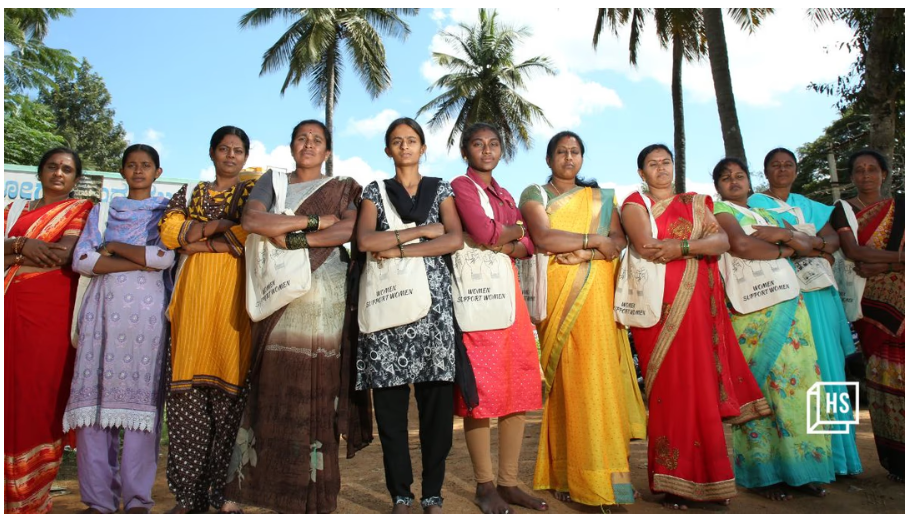
Karnataka’s Menstrual Leave Policy: Women Empowerment or Unintended Bias? Karnataka’s Menstrual Leave Policy: Women Empowerment or Unintended Bias? Prayaga Venkata Rama Vinayak November 14, 2025 Child Development, Cultural Economics, Public Policy, State Economies, Women Empowerment In a welcome move, the Government of Karnataka recently approved Menstrual Leave Policy, 2025, allowing female employees throughout the State to avail one day paid leave every month, in addition to other paid leaves sanctioned by their organisation. This policy applies to all women employees both in the public and private sectors across the State. Further, this leave does not require any pre-approvals from employers, but only prior intimation by the employees to their respective authorities. This move is worthy of emulation, as the State Government’s intention is to create a work environment that enhances women’s participation in the workforce. States such as Bihar, Kerala, and Odisha have implemented similar policies in the past. However, Karnataka’s policy explicitly covers both government and private sector employees, unlike those of the other States. Nevertheless, the initiative also warrants an analysis of its effectiveness in achieving the intended objective of women’s empowerment. One of the shortcomings of the policy is that it appears to apply only to employees in the organised sector, as no government currently has adequate mechanisms to implement such a policy in the unorganised sector, which employs a larger workforce. As of October 2025, Karnataka has approximately 10.96 million (1,09,61,042) unorganised sector workers registered on the e-Shram portal, of whom 58.1 percent (about 6.36 million) are women. However, many more women workers remain unregistered on the portal. Consequently, a majority of women employees in the State are unlikely to benefit from the policy. For micro, small, and medium enterprises (MSMEs), granting 12 additional paid leaves may lead to more absenteeism and payroll costs. From the women labour force point of view, the new leave policy may worsen the hiring bias, especially in micro and small firms that operate on very rigid workforce margins. Moreover, the state government has not proposed any reimbursement or tax offset to encourage small employers to implement the policy. The private sector may view women as costlier or less reliable employees due to additional leave entitlements like maternity, childcare and now menstrual leave. The “Voice of Women” Survey Report (2024) by Aon sheds light on how women employees view workplace equity and flexibility, which is pertinent while evaluating policies like menstrual leave. The survey mentions that findings reinforce years of research showing that women face microaggressions at work in the form of subtle and seemingly innocuous comments based on stereotypes. Nearly 42 percent women reported that they face judgmental comments or expressions on leaving work early or working remotely. Furthermore, one in three mothers reported facing career setbacks after returning from maternity leave — for 75 percent of them, the impact lasted up to two years, while 25 percent experienced setbacks lasting more than three years. We can understand from the above-mentioned survey that women are already going through lot of unavoidable discrimination in their workplace irrespective of many DEI (Diversity, Equity and inclusion) friendly policies. These kinds of policies will even amplify the ongoing discrimination to next level and, it’s worth noting that without awareness among the people in the work environment about female menstrual health and it’s impacts this kind of policies just pay a lip service to the concept of women empowerment. The periodic Labour Force Survey Report (2023-24) reveals that Karnataka’s Labour Force Participation Rate (LFPR), which indicates how many people are either working or looking to work out of the total population, is 49.9 percent for rural women, lower than the nation’s average of 51.2 percent. For urban women it is 33.5 percent, slightly above the nation’s average of 31.2 percent. The consolidated LFPR of women in Karnataka is 43.6 percent lower than the nation’s average of 45.2 percent. Further, Karnataka’s Worker Population Ratio (WPR), which indicates the proportion of working population, is 49.5 percent for rural women, a tad below the nation’s average of 50 percent. For urban women, it is 32 percent, considerably above than nation’s average of 28.8 percent. The consolidated WPR of women in Karnataka is 42.7 percent, slightly lower than the nation’s average of 43.7 percent. If the state government policy is implemented without addressing the recruitment bias faced by women in the private sector, especially in small firms, the already existing gap between the Karnataka’s LFPR and WPR of rural women will be widen, weakening the State’s efforts towards women empowerment. The policy may be modified to make it easier to implement. Instead of mandating complete paid leave, the governments can incentives organisations to grant remote work facilities for at least 3-4 consecutive days, wherever feasible. This will allow women to take proper care of their menstrual health. Also, the state government may consider this an opportune time to strictly enforce menstrual-friendly infrastructure in all workplaces with adequate hygienic and sanitation facilities across the public and private sectors. It would be commendable if the State Government could find convergence between schemes such as Koosina Mane, which empower local bodies and promote decentralization, and the implementation of new policies related to women’s menstrual health. Such an integrated approach would be mutually beneficial to both employees and employers. Further, it is essential to consult as many stakeholders as possible, including women, before implementation of the policy. The Karnataka State Menstrual leave policy is a welcome move, but it also brings some real concerns that may be overlooked. The matter requires a holistic understanding. It should aim to incentivise organisations instead of making them more hesitant to hire women, especially in smaller companies. The State Government should make sure the new policy supports both women and workplaces, without benefitting one at the cost of the other. Real inclusion means creating equal opportunities, not in offering special provisions that may inadvertently widen the very gap the policy seeks to close. The Author is Public Policy Fellow at AgaPuram Policy Research Centre, Erode The

Karnataka’s Menstrual Leave Policy: Women Empowerment or Unintended Bias? Read More »

Tamil Nadu Lacks Institutional Mechanisms to Promote Holistic Tourism

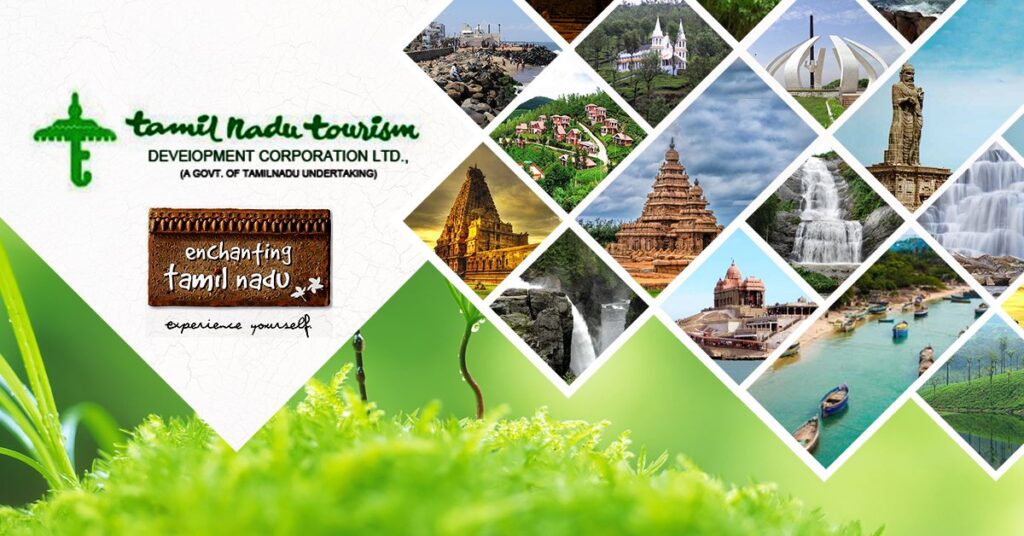
Tamil Nadu Lacks Institutional Mechanisms to Promote Holistic Tourism B Chandrasekaran Tamil Nadu Lacks Institutional Mechanisms to Promote Holistic Tourism B Chandrasekaran Chandrasekaran Balakrishnan June 5, 2025 Cultural Economics, Public Policy, Tamilnadu Economy Tourism plays a crucial role in the economy, contributing 6.23% to the national GDP and providing 8.78% of total employment. For Tamil Nadu, 8% of its GDP comes from the tourism sector and the State aims to increase it to 12% by 2030. In 2019, Tamil Nadu had 49.5 crore domestic tourist arrivals and 0.69 crore foreign tourist arrivals. Between 2013 and 2019, Tamil Nadu was the most visited State by domestic tourists garnering 22.1% of total domestic tourists in India. However, this trend declined significantly in 2020 and 2021 due to the pandemic and continues with the trend. The overall experiences experience of any tourist to the State is a disappointing given the kind of state’s industrialisation and urbanisation achievements. Despite several new steps taken in recent times to promote the tourism sector by the government, the state’s tourism infrastructure continues to be substandard with a lack of integrated mobility; lack of basic civic facilities like water, hygiene and sanitation; lack of adequate safety and security facilities etc. This reflects lapses in holistically developing the sector. In 2003, the Union Ministry of Tourism and Culture released a study titled “20 Years Perspective Tourism Plan for the State of Tamil Nadu” to promote holistic tourism in Tamil Nadu. The study stated that “Tamil Nadu is a magical blend of timeless traditions and colourful festivals – a seat of cultural heritage.” It also stated, “Tamil Nadu, with its picturesque hills, beaches, waterfalls, wildlife sanctuaries, temples, ancient monuments, places of worship for all faiths and centres of art and culture has a lot to offer to the domestic and international tourists”. The following findings were highlighted in the study, which are still relevant as far as the challenges faced by the tourism sector of the State are concerned: Inadequate infrastructure like roads, water, electricity, and transport at some tourist destinations, and increasing pollution arising out of tourism. The bottlenecks at the state level have been identified as lack of accommodation (51%), water supply and sanitation (46%), poor connectivity (43%), power supply (37%), lack of life garbage disposal (30%), lack of travel booking (16%), and insecurity (8.3%). Hence, the average spending by a foreign and domestic tourist is less in Tamil Nadu as compared to some other northern states. There is an absence of heritage hotels, paying guest accommodations, and dormitories at pilgrim destinations. It is estimated that 1.2 international tourist visits provide employment to one person, whereas 17 domestic tourists generate employment for one person. Hence, the employment multiplier is 1.358”. It is estimated that Rs.10.00 lakh invested in tourism created 47.5 jobs against 44.7 in agriculture and 12.6 in manufacturing… In respect of the hotel industry, an investment of Rs.10.00 lakh will give direct employment for 12 persons and five rooms in a five-star hotel at an average gives direct employment to eight persons.”  The study recommended the following measures to develop holistic tourism in Tamil Nadu: Tamil Nadu has a long sea coast (ECR) which can be used to connect places on the East coast and provide added attraction for tourists. Possibilities of inland cruise service on the river/ canals are also suggested to be explored. Tourism plays an important role in the socio-economic development of any country. It is one of the major sources earning foreign exchange. Tourism promotion also generates employment in urban as well as rural areas that may arrest the large scale migration of rural mass to urban centres and in turn help avoid formation of more slums. Tourism can yield positive results provided it satisfies the requirements of sustainable eco-development and is managed scientifically and gainfully. Local people should be made to participate in planning and development of tourism so that they can bring new ideas, support and influence the decisions, and in turn be a part of it. Develop training content and capability to strengthen passenger services at transport interchanges (bus, railway, ferry, ship and air plane terminals); Promote the application of universal design principles to improve the accessibility of tourism sites, especially cultural, heritage and pilgrimage sites. To develop in tandem with allied departments like HR and CE, Transport, Rural Development, Municipal Administration, Water Supply, Department of Art and Culture, NGOs involved in tourism and cultural activities;” Tamil Nadu has just 2 cruises at present, despite having 13% of India’s total coastline. Tourism is highly labour-intensive, but the employment generation has decline in tourism sector in the state recently. Some reasons for the failure are: The statutory powers and other delivery systems to support tourism development (infrastructure development), are vested with various government departments/ agencies which operate in silos with hardly any coordination. Tamil Nadu Tourism Development Corporation (TTDC), incorporated in 1971, has not developed adequate institutional facilities and services for the tourism sector to cater to the demands of inbound domestic and foreign tourists. It has 51 hotels with 852 rooms, which is not adequate. The Institute of Hotel Management, Catering Technology & Applied Nutrition in Chennai and The State Institute of Hotel Management & Catering Technology in Tiruchirappalli are still not adequately equipped with state-of-the-art infrastructure facilities for training skilled manpower for the tourism sector of the state, resulting in failure to produce enough semi-skilled or skilled tourist guides with proficiency in different regions of India and international languages. As the State aims to achieve a one trillion-dollar economy in 2030, tourism presents a significant opportunity for growth. The State’s Tourism Policy 2023 aims to attract new investments of Rs. 20,000 crores and achieve employment generation of 25 lakhs by 2028. It also aims to achieve a tourism sector contribution of 12% of the GSDP share in the state economy. It envisions to develop all the tourism destinations through Tamil Nadu Integrated Tourism Promotion Project (TNITPP). It also announced Focus Tourism Destinations (FTDs) and Focus Tourism Corridors

Tamil Nadu Lacks Institutional Mechanisms to Promote Holistic Tourism Read More »

Another Caste Count for…? 

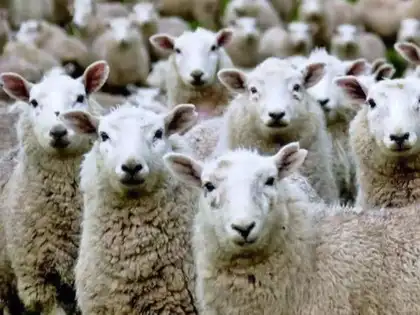
Another Caste Count for…? Another Caste Count for…? Ghanshyam Sharma May 19, 2025 Cultural Economics, Indian Economy, Public Policy                                                                                        Herd instinct If the primary purpose of conducting the caste census is to justify higher reservations for SCs/STs/OBCs, then this information already exists. The National Family Health Survey (NFHS) suggests that the share of SC/ST/OBC sections in the country’s population exceeds 50%. The NFHS are nationally representative periodic surveys that provide information on the caste composition of the population. This data can be used to estimate the caste composition at the district and state level. NFHS estimates are based on scientific sampling methods that help to infer information about the population based on a sample of households. NFHS provides reliable estimates often used in scientific research, government reports, and the industry. The reported results from the Telangana Caste Census are remarkably similar to the NFHS estimates. For example, according to NFHS, 27.8% of the Telangana population identifies as SC/ST, 54.1% as OBC, and 17.4% as general category. Telangana Caste Census reports that 27.8% of the population identify as SC/ST, 56.7% as OBC, and 16% as general category. The NFHS data is available for all other states. For example, NFHS indicates that in UP, the share of SC/ST/OBC population in the total population is 78.9%. In Gujarat, this share is 74.7%. In the states of Maharashtra and Karnataka, this share is 56.3% and 85.7% respectively. Since NFHS also asks people the religion they most identify with, this caste data can be seen across religions as well. Besides, the NSS / NFHS surveys also collect rich information on various social and economic indicators such as wealth, education, employment, health, alcohol use, tobacco use, condition of women, etc. Since these surveys have been conducted over time, they have been used to check for convergence in the economic and social status across caste groups. Several prominent studies like K Munshi (2019) and Hnatkovska & Lahiri (2012) have documented that while gaps in economic status between caste groups exist, there has been a remarkable convergence over time. In other words, the SC, the ST, the OBC, and the General category groups have become more equal. The socially marginalized sections of the population are catching up. It is unrealistic that the proposed Caste Census would collect such diverse data on socio-economic indicators for the entire country. Even if the caste census collects such information, it will be available every ten years. NFHS / NSS can be done every 3-4 years. Moreover, NFHS / NSS / India Human Development Survey data is already used in public policy-making. In that case, what does the proposed caste census intend to achieve? Will the caste census collect data on the population size and socioeconomic indicators for every sub-caste (which NSS/NFHS doesn’t do)? What will this information be used for? If the purpose of the caste census is to unbundle the castes within the SC, the ST, and the OBC groups, this can stir a hornet’s nest. The caste census will likely rattle the SC, ST, and OBC groups which receive caste based benefits, rather than the general castes. It may pit social groups within the broader ST, SC, and OBC communities against each other. The caste census can be used to strip a caste or a sub-caste of its reservation privileges if its social and economic indicators are comparable to the general category. Caste census can provide information to fix the quantum of reservation based on the population size or economic status of each caste and sub-caste within the reserved categories. This will be a deviation from the current policy where all the castes categorized as ST have equal claims at 7.5% reservation. Even if this is not the intended objective of the caste census, it will motivate demands from caste groups for higher reservations within the reserved seats. Census data can selectively target specific social groups within the broader Scheduled Caste and Scheduled Tribe categories. For example, the Pre-Matric Scholarship Scheme for ST Students be replaced with the Pre-Matric Scholarship Scheme for only Meena students leaving out other ST caste groups. Despite its promise of superior targeting of specific social groups based on social exclusion, it is also impossible for a caste census to realistically capture social stratification. This is because caste isn’t the only factor that socially stratifies India. Caste intricacies intersect with class, language, and gotra differences. There are hundreds or even thousands of sub-castes within Brahmins. Saraswat Brahmins in Tamil Nadu may be similar to other Tamil Brahmins as compared to Saraswat Brahmins from Uttar Pradesh. There seem to be no substantive reasons for conducting the census. The Government of India hasn’t specified the objectives of conducting the Caste Census. Most purposes of conducting a caste census are speculative. The UPA and NDA governments have not disseminated the 2011 caste census data. Bihar and Telangana have recently conducted caste censuses. But neither have they disseminated census data, nor framed policies based on it. Therefore, it is worthwhile to ponder over the usefulness of conducting a caste census.  The author is currently an Associate Professor of Economics at RV University, Bengaluru.  The Author is a Research Fellow at AgaPuram Policy Research Centre.  Views expressed by the author are personal and need not reflect or represent the views of the AgaPuram Policy Research Centre. This article was originally first published by The Economic Times at https://economictimes.indiatimes.com/opinion/et-commentary/another-caste-count-for-/articleshow/120906704.cms

Another Caste Count for…?  Read More »

India’s Cultural and Creative Aspirations for Vikist Bharath

India’s Cultural and Creative Aspirations for Vikist Bharath India’s Cultural and Creative Aspirations for Vikist Bharath Dushyant Meher May 2, 2025 Cultural Economics, Indian Economy, Public Policy Cultural and Creative Economy is an emerging economic field that offers not only well meaning to creative pursuits but also wealth and soft power. It is like invoking goddesses—Saraswati, Laxmi, and Durga. Culture and creativity are akin to the collective psyche of our nation, which can be seen in every nook and corner of the country as a civilisation, including in grand form during events such as Republic Day or the G20 Summit. The United Nations Conference on Trade and Development (UNCTAD) defines creative industries as creation, production, and distribution cycles that leverage creativity and intellectual capital. These industries encompass knowledge-based activities focusing on culture and heritage, including tangible and intangible creative products with economic value. The creative economy is an evolving concept that drives economic growth, supports job creation, and fosters social inclusion and cultural diversity. It emphasises integrating economic, political, cultural, and social aspects with technology and intellectual property. The latest edition of Creative Economy Outlook 2024 by UNCTAD observes that the creative economy is rapidly growing, especially in developing countries, and that it contributes significantly to economic development and job creation. The creative industry in India is a self-organizing sector. Indian government fully recognizes the importance of the sector including the culture and cultural industries as sources of socio-economic development, livelihood generation, and wealth creation as well as the well-being of individuals. The creative sector overarches over two dozen or more departments, ministries, and national institutions. By engaging with business organizations, institutions, and experts, the scope and viability of the sector are being explored. However, given the nature of complexities- defining and mapping the creative sector for evidence-based policymaking poses a formidable challenge. Nevertheless, the sentiment of prioritising the sector echoes in the address of the Prime Minister while inaugurating the World Heritage Committee meeting in New Delhi last year and this year Waves Summit 2025 at Mumbai. He highlighted the vision of linking heritage with growth and development, the Orange Economy. He asserts that the cultural and creative industry would be an important factor in global growth. Eventually, industry bodies and associations have been voicing collective actions towards a policy for the creative sector. As reported by Creative Economy Outlook 2024; some of India’s advantageous positions include – India tops in film producer position, contributing 29% of the global volume in 2022 and record box office revenues reaching around US$ 1.4 billion in 2023. Among developing economies, India is at 3rd after China, and Hongkong (SAR) in exporting creative goods in 2022. India exported 21 billion USD which is a 2.9% share of world export of creative goods. It is 4.6% of the total exports of our country. India is in 4th position in the world (both developed and developing countries) after the USA, Germany, and Japan in the publishing industry. India is on top amongst developing countries both in terms of revenue and number of ISBN registrations (281 091) in 2022. India’s growth in the video games segment is projected to grow at 18.3%. It is one of the top ten creative goods importers in 2022 with an import record of 5.6 billion USD which is a 0.9% share of world imports of creative goods and a 2.2% share of creative goods from the country’s total imports. Some of the concerns are also being raised by some of the multilateral institutions with regard to India. According to ILO data in Arts, entertainment, and recreation, the average share of women in the creative industries fluctuates from 80.5% in the Dominican Republic to 6.5% in India, alongside a global average of around 38% (ILO, 2024). A study conducted by ADB about India’s economy finds that the concentration of creative jobs is significantly higher in urban areas, with a substantial 67.1% of all creative workers residing there. In contrast, rural areas have a much lower proportion of creative workers at only 29.6%. Moreover, while the creative workforce makes up 8% of India’s overall employment, it constitutes approximately 17% of total urban employment but just 4.1% of total rural employment (Asian Development Bank, 2022b). The UNCTD reports that several economies, especially developing economies including India do not have adequate services trade data to calculate creative services exports. However, this does not mean India doesn’t export creative services. Lack of robust regulation and enforcement, the Indian entertainment sector experiences an annual revenue loss of approximately US $2.8 billion due to digital piracy. Culture unites all and is a tool for track-II diplomacy. Given the size and quality of our diaspora; it continues to enable India as a soft power. It is becoming quite foundational in India with the implementation of the New Education Policy that guarantees equal access to creative and cultural experiences to innovate through traditional, conventional as well as in new technological mediums like AI. For expansion of these creative experiences beyond socio-cultural towards the viable market; component-wise dissection of the creative sector is required to plan for multidimensional interventions. This is possible or viable even in the absence of a clear definition. Innovations and acceleration of activities with market regulations and effective enforcement can help make it a robust sector. A new report by the Boston Consulting Group (BCG), titled “From Content to Commerce: Mapping India’s Creator Economy”, set to be launched tomorrow (3rd May 2025) at WAVES 2025 in Mumbai, will reveal that India’s creators currently influence over $350 billion in consumer spending annually — a figure expected to surpass $1 trillion by 2030. The report highlights that India is home to 2 to 2.5 million active digital creators, defined as individuals with over 1,000 followers. The creator ecosystem’s direct revenues, estimated at $20–25 billion today, are projected to reach $100–125 billion by the end of the decade. Creators influence more than 30% of consumer decisions, shaping $350–400 billion in spending today. Moreover, policymaking may be a long and lengthy process

India’s Cultural and Creative Aspirations for Vikist Bharath Read More »

The Kumbhanomics 2025

The Kumbhanomics 2025 The Kumbhanomics 2025 Dr S Narayanan March 6, 2025 Cultural Economics, latest, State Economies Economic Pulse of the World’s Largest Gathering For India, a nation with one of the oldest civilizations, the Kumbh Mela is more than just a religious festival—it is a cultural, social, and economic spectacle that has endured for millennia. Held at the Triveni Sangam in Prayagraj, Uttar Pradesh, this grand event exemplifies the deep connection between culture and economic activity. It happened during a certain celestial alignment of the Sun, Moon, Jupiter and Saturn – a rare event occurring once every 144 years. The Maha Kumbh Mela 2025, spanning 45 days from January 13 to February 26, is estimated to have drawn a humungous 66.30 crore pilgrims across India and around the world, making it one of the largest religious congregations. It is also estimated that nearly 47% of India’s population of 140 crores visited this holy site. Prayagraj, also referred to as the “TIRTHRAJ”, has been a centre of spiritual and cultural significance for centuries. The Chinese Traveller Xuanzang, in 644 CE described Prayagraj as a region of immense natural beauty, prosperity and cultural depth attracting over 5 lakh people including the rulers and wealthy merchants. The over 2000 years old rituals of taking a holy dip in the Maha Kumbh Mela is believed to elevate spiritual thoughts. The confluence of Ganga, Yamuna and Saraswathi rivers at the Triveni Sangam adds to the sanctity of this unique location. Besides being a cultural and spiritual happening, the festival also creates immense economic activities for the region and the state, which is the crux of this piece. Mahakumbh Nagar: A Temporary City with World-Class Facilities To accommodate the massive influx of pilgrims, a temporary city with state-of-the-art facilities, Mahakumbh Nagar, was set up. Key infrastructure developments include: The renovation of 92 roads and beautification of 17 major roads, construction of 30 pontoons bridges using 3308 pontoons, erection of 800 plus multi-language signages (Hindi, English, and regional languages), Installation of 233 Water ATMs to provide pure drinking water 24/7, construction of 1.5 lakh mobile toilets, implementation of AI-powered crowd density monitoring system with over 350 experts at key locations, installation of 3000 plus CCTV cameras and drones, adoption of facial recognition technology, installation of water towers for fire safety, Employment of underwater drones capable of diving up to 100 meters to provide round the clock surveillance, usage of a dedicated app for real-time updates on crowd density, employment of 56 cyber warriors, availability of state-of-the-art Multi Disaster Response Vehicle for safety and disaster readiness, construction of temporary hospitals equipped with surgical and diagnostic facilities, and setting up of 3 temporary sewage treatment plants for river protection etc. Logistics and Infrastructure Managing a crowd of this magnitude involves strategic planning for transportation, accommodation, basic amenities like water, sanitation, food, and healthcare. The Swachh Bharat Mission has played a crucial role in ensuring cleanliness. The government welcomed the domestic institutions / think tanks / policy makers to make the next time bigger and better. Many research institutions, including over 20 global institutions like Harvard, Standford, London School of Economics, Gates foundation, Kyoto University, AIIMS, IIM Ahmedabad, IIM Bangalore, IIT Kanpur, IIT Madras, JNU were invited to cover the event, right from planning to execution. The Union Ministry of Housing and Urban Affairs has tied up with institutions of international repute to study waste management through Harvard Business School – Food and Beverage Management, operations of the event, inter-city connectivity, Multimodal transport Hubs and public transport system.  Standford University – Solid Waste Management, efficiency and waste disposal.  IIM – Indore – Internationals related to behaviour change, sanitation.  IFC – Gates foundation – -economic impact in six districts.   The event highlighted India’s prowess in efficiently and innovatively organizing the world’s largest human gathering. The state government also achieved a Guinness World Record in Ganga Cleaning Drive and Mass Cleaning Initiative which set new benchmarks in mass sanitation and environmental efforts. Economic Impact &Technological Innovations The governments have always recognized the economic potential of the Kumbh Mela. In 2019, the state government spent around Rs.3,700 crore, attracting 25 crore visitors. This year, the allocation was doubled to Rs.7,500 crore. Advanced technologies such as artificial intelligence, robotics, and expert consultations have been employed to ensure smooth execution. The government’s investment of Rs.7,500 crore is expected to generate revenue of around Rs.3 lakh crore.  Key innovations include: Accommodation options ranged from Rs.2,000/- to Rs.2,00,000/- catering to diverse visitors, including the President, Prime Minister, ministers, VIPs, and international guests. The event has also boosted tourism in nearby religious sites such as Ayodhya and the Kashi Vishwanath Temple, further stimulating local economies. The Union Ministry of AYUSH provided quality healthcare services to over 2.5 devotees at the site of the event. Over 15,953 metric tonnes of waste were removed from the Mela area to keep it clean and plastic-free. It is estimated that the state witnessed a GST growth rate of 11% and 14% growth in the months of January and February, respectively, during Mahakumbh, generating over ₹1,000 crore increase in GST collections over the corresponding period last year. Further, the Chief Minister has stated in the Assembly that the Mela has rewarded the state economically too. He stated that a boatman family earned Rs 30 crore in 45 days with 130 boats, at Rs 23 lakh per boat & approximately Rs 52,000 a day. A definitive estimate may be expected when the official growth figures are published. Faith to Finance Projections suggest this surge in religious and spiritual tourism would have generated over Rs. 3.5 lakh crore in revenue (more than USD 360 Million), significantly uplifting the state’s economic landscape, benefiting everyone from small-scale vendors like cycle-borne tea sellers, bike-pool operators, boatmen, pilgrimage guides, casual laborers to local traders and corporate stakeholders. The beneficiary sectors include food and beverages, religious offerings (such as lamps, idols, Ganga water, and incense sticks), pilgrimage guides, travel packages, ayurvedic products, and promotional merchandise. This multifaceted

The Kumbhanomics 2025 Read More »