Public Policy

Karnataka’s Menstrual Leave Policy: Women Empowerment or Unintended Bias?

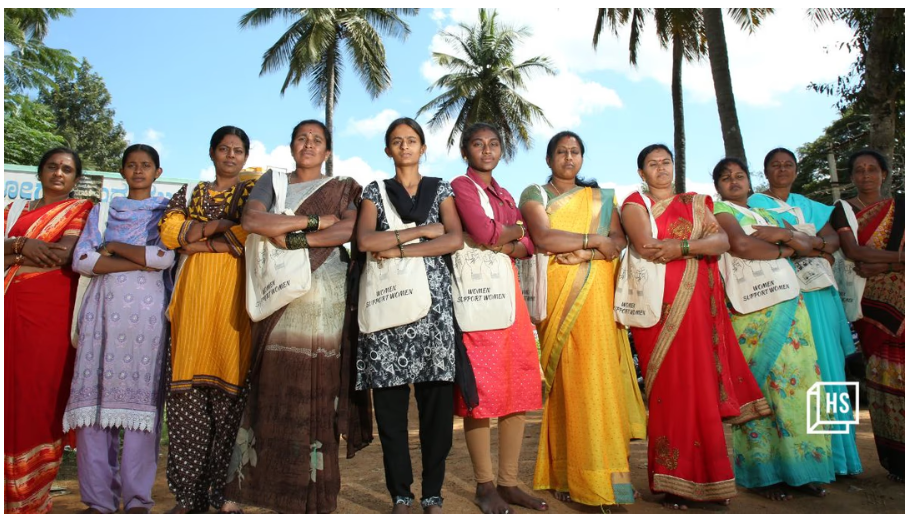
Karnataka’s Menstrual Leave Policy: Women Empowerment or Unintended Bias? Karnataka’s Menstrual Leave Policy: Women Empowerment or Unintended Bias? Prayaga Venkata Rama Vinayak November 14, 2025 Child Development, Cultural Economics, Public Policy, State Economies, Women Empowerment In a welcome move, the Government of Karnataka recently approved Menstrual Leave Policy, 2025, allowing female employees throughout the State to avail one day paid leave every month, in addition to other paid leaves sanctioned by their organisation. This policy applies to all women employees both in the public and private sectors across the State. Further, this leave does not require any pre-approvals from employers, but only prior intimation by the employees to their respective authorities. This move is worthy of emulation, as the State Government’s intention is to create a work environment that enhances women’s participation in the workforce. States such as Bihar, Kerala, and Odisha have implemented similar policies in the past. However, Karnataka’s policy explicitly covers both government and private sector employees, unlike those of the other States. Nevertheless, the initiative also warrants an analysis of its effectiveness in achieving the intended objective of women’s empowerment. One of the shortcomings of the policy is that it appears to apply only to employees in the organised sector, as no government currently has adequate mechanisms to implement such a policy in the unorganised sector, which employs a larger workforce. As of October 2025, Karnataka has approximately 10.96 million (1,09,61,042) unorganised sector workers registered on the e-Shram portal, of whom 58.1 percent (about 6.36 million) are women. However, many more women workers remain unregistered on the portal. Consequently, a majority of women employees in the State are unlikely to benefit from the policy. For micro, small, and medium enterprises (MSMEs), granting 12 additional paid leaves may lead to more absenteeism and payroll costs. From the women labour force point of view, the new leave policy may worsen the hiring bias, especially in micro and small firms that operate on very rigid workforce margins. Moreover, the state government has not proposed any reimbursement or tax offset to encourage small employers to implement the policy. The private sector may view women as costlier or less reliable employees due to additional leave entitlements like maternity, childcare and now menstrual leave. The “Voice of Women” Survey Report (2024) by Aon sheds light on how women employees view workplace equity and flexibility, which is pertinent while evaluating policies like menstrual leave. The survey mentions that findings reinforce years of research showing that women face microaggressions at work in the form of subtle and seemingly innocuous comments based on stereotypes. Nearly 42 percent women reported that they face judgmental comments or expressions on leaving work early or working remotely. Furthermore, one in three mothers reported facing career setbacks after returning from maternity leave — for 75 percent of them, the impact lasted up to two years, while 25 percent experienced setbacks lasting more than three years. We can understand from the above-mentioned survey that women are already going through lot of unavoidable discrimination in their workplace irrespective of many DEI (Diversity, Equity and inclusion) friendly policies. These kinds of policies will even amplify the ongoing discrimination to next level and, it’s worth noting that without awareness among the people in the work environment about female menstrual health and it’s impacts this kind of policies just pay a lip service to the concept of women empowerment. The periodic Labour Force Survey Report (2023-24) reveals that Karnataka’s Labour Force Participation Rate (LFPR), which indicates how many people are either working or looking to work out of the total population, is 49.9 percent for rural women, lower than the nation’s average of 51.2 percent. For urban women it is 33.5 percent, slightly above the nation’s average of 31.2 percent. The consolidated LFPR of women in Karnataka is 43.6 percent lower than the nation’s average of 45.2 percent. Further, Karnataka’s Worker Population Ratio (WPR), which indicates the proportion of working population, is 49.5 percent for rural women, a tad below the nation’s average of 50 percent. For urban women, it is 32 percent, considerably above than nation’s average of 28.8 percent. The consolidated WPR of women in Karnataka is 42.7 percent, slightly lower than the nation’s average of 43.7 percent. If the state government policy is implemented without addressing the recruitment bias faced by women in the private sector, especially in small firms, the already existing gap between the Karnataka’s LFPR and WPR of rural women will be widen, weakening the State’s efforts towards women empowerment. The policy may be modified to make it easier to implement. Instead of mandating complete paid leave, the governments can incentives organisations to grant remote work facilities for at least 3-4 consecutive days, wherever feasible. This will allow women to take proper care of their menstrual health. Also, the state government may consider this an opportune time to strictly enforce menstrual-friendly infrastructure in all workplaces with adequate hygienic and sanitation facilities across the public and private sectors. It would be commendable if the State Government could find convergence between schemes such as Koosina Mane, which empower local bodies and promote decentralization, and the implementation of new policies related to women’s menstrual health. Such an integrated approach would be mutually beneficial to both employees and employers. Further, it is essential to consult as many stakeholders as possible, including women, before implementation of the policy. The Karnataka State Menstrual leave policy is a welcome move, but it also brings some real concerns that may be overlooked. The matter requires a holistic understanding. It should aim to incentivise organisations instead of making them more hesitant to hire women, especially in smaller companies. The State Government should make sure the new policy supports both women and workplaces, without benefitting one at the cost of the other. Real inclusion means creating equal opportunities, not in offering special provisions that may inadvertently widen the very gap the policy seeks to close. The Author is Public Policy Fellow at AgaPuram Policy Research Centre, Erode The

Karnataka’s Menstrual Leave Policy: Women Empowerment or Unintended Bias? Read More »

Tamil Nadu’s bumpy road to $1-trillion economy

Tamil Nadu’s bumpy road to $1-trillion economy Tamil Nadu’s bumpy road to $1-trillion economy by Chandrasekaran Balakrishnan October 31, 2025 Public Policy, State Economies, Tamilnadu Economy Though Centre-state devolution gets public attention, little light is shed on intra-state devolution to rural and urban local bodies. If Tamil Nadu is to reach its goal of being a $1-trillion economy soon, the new State Finance Commission will have to address such issues The Tamil Nadu government accepted 259 out of 280 recommendations made by the sixth State Finance Commission without changing the ratio of devolution amount between rural and urban local bodies (Photo | Express) Updated on: 30 Oct 2025, 2:17 am 4 min read Tamil Nadu aspires to become a $1-trillion economy by 2030. However, it seems feasible only after 2031-32 given the amount of work needed on multiple fronts, ranging from effective decentralised governance and sectoral growth challenges to addressing intra-state regional disparities. While the state’s strength of being a global hub for manufacturing and its significant contribution to the services sector make the headlines, certain challenges remain under-discussed. Almost two years have passed since the release of a plan titled ‘Tamil Nadu Vision $1 trillion’, which aimed to “ensure that all districts and regions of the state emerge as growth centres, while driving prosperity for all sections of the society”. Yet, there has been a little visible change in implementing its key recommendations. In a dynamic federal country like India, state governments often tussle with the Centre seeking more regional autonomy. Ironically, some of the same states fare poorly in decentralisation of administrative power and financial autonomy within, despite a mandate for it under the 73rd and 74th constitutional amendments in 1992. The challenges faced by Tamil Nadu, especially its urban and rural local bodies, including its limited capacity to meet the aspirations of the people for better civic infrastructure facilities and services could be mostly attributed to inadequate institutional mechanisms. One of the biggest institutional and structural lacunae is that despite about 55 percent of people living in urban areas, the devolution of funds continues to be higher for rural local bodies (51 percent) as compared to urban local bodies (49 percent). Against this background, the state government has constituted its 7th State Finance Commission (SFC) under the chairmanship of K Allaudin, a retired IAS officer, to “review the financial position of various urban and rural local bodies and make appropriate recommendations on the distribution of funds to be provided by the state government” for a five-year period from April 1, 2027. This surpasses the target to become a $1-trillion economy by two years. The three-member commission has been asked to submit its report by August 31, 2026. Unlike states like Assam and Kerala, Tamil Nadu has not involved any subject experts on its SFC this time too, as has been the case since its inception in 1997. While the first, sixth and the recently-constituted seventh SFCs have been headed by retired IAS officers, others were headed by serving IAS officers. The key recommendations of the SFCs are mandated to be implemented within a year after the submission of action taken reports. However, there are no such publicly available reports on actual implementation until the next SFC is constituted. The state has accepted many of the past SFC proposals, ranging 80-96 percent of the recommendations. However, for the third SFC, the state government accepted only 240 out of the 308—or about 78 percent—of the recommendations. This gives a clue about how bound the state feels about acting on the proposals. The actions are important for the SFCs’ functions, which include a wider consultative process, examination of various data sets of rural and urban local bodies, and time taken to submit the report So it is instructive to look at the time taken by each SFC to make their final submissions. The state’s first SFC took 19 months, second 15 months, third 22 months, fourth 22 months, fifth 24 months, and the sixth took 24 months to submit the final report to the government. Most often, the reasons for delay are not mentioned. It is also important to note that public discourse has been largely silent on the SFCs’ functions, operations, effectiveness, quality, and implementation. With all this in the backdrop, here are five critical challenges before Tamil Nadu’s seventh SFC Decentralisation of real administrative and financial autonomy from the state capital to district administrations, city corporations, and town and village panchayats is still a distant reality. Though the administrative coverage of urban local bodies has expanded to 25 cities from 16, the availability and quality of basic civic infrastructure and services remain inadequate and substandard. 1.Decentralisation of real administrative and financial autonomy from the state capital to district administrations, city corporations, and town and village panchayats is still a distant reality. 2.Though the administrative coverage of urban local bodies has expanded to 25 cities from 16, the availability and quality of basic civic infrastructure and services remain inadequate and substandard. 3. Increased regional disparities within districts have become a major challenge. The average per capita incomes in the western and northern parts of the state are significantly higher than those in the eastern and southern parts. 4.Another major hurdle is the lack of coordination among key departments, insufficient public consultation, and ineffective programme design in crucial sectors such as sanitation, water supply, electricity, roads, transport, policing, waste management, and wastewater disposal. These gaps create avoidable hardships, especially for the young. 5. Although there is significant scope to enhance revenue streams for local bodies in urban or rural administrations, state-level centralisation continues to constrain their autonomy in decision-making and their ability to address local issues and challenges. While neighbouring states Karnataka and Kerala have made significant progress in addressing challenges related to devolution of administrative power, these aspects have often been given piecemeal attention by Tamil Nadu’s SFCs and no commission has taken a holistic view of the structural challenges faced by the local bodies. The prayer is that this time

Tamil Nadu’s bumpy road to $1-trillion economy Read More »

Reward Citizens to Bring a Paradigm Shift in Civic Behaviour

Reward Citizens to Bring a Paradigm Shift in Civic Behaviour Reward Citizens to Bring a Paradigm Shift in Civic Behaviour Prayaga Venkata Rama Vinayak October 13, 2025 Public Policy, Urban Development, Youth Entrepreneurship India is known for its rich cultural practices, family values, hospitality, and ethics. It was an economic superpower for over a millennium and is on the verge of regaining its rightful stature soon. One of the major bottlenecks in the development of our country is the lack of good civic sense among Indians. Despite improvements in literacy and enrollment in higher education, unfortunately, there has not been any perceptible improvement in the civic sense of the public. As per the latest Swachh Survekshan Report (2024-25), not even a single city from Kerala, one of the most literate states in India, is ranked among the top 50 cities. Mattanur, the top-ranked city in Kerala, is ranked 53rd nationally, followed by Alappuzha at the 80th position. Furthermore, organising awareness campaigns alone is hardly effective without decentralization and community-driven efforts at the local level. The NITI Aayog report on ‘Reforms in Urban Planning Capacity in India’, released in 2021, mentioned that during the period 2011–2036, urban growth would account for 73% of the total population increase. There is a saying my father often quotes: “We can wake up someone who is in a deep sleep, but we can never wake up someone who is pretending to be asleep.” The awareness campaigns are beneficial to someone who is unaware of their wrongdoing. These campaigns help them understand and rectify their mistakes, but in our country, that’s not the case. We can relate the above-mentioned findings to the recent Gross Domestic Behaviour Survey by India Today (2025). The Survey presented a few statements to the respondents from 21 states and 1 union territory, requesting them to either agree or disagree with the statements. Based on the responses, the States were ranked. The statements were broadly categorized in the following themes: “Civic Behaviour”, “Public safety”, “Gender attitudes” and “Diversity & discriminations”. Under the Civic Behaviour theme, Tamil Nadu secured 1st place followed by West Bengal, Odisha, Delhi and Kerala in 2nd, 3rd, 4th and 5th places respectively. In the remaining 3 themes, “Public safety”, “Gender attitudes” and “Diversity & discriminations” Kerala secured the 1st place. In overall rankings too, Kerala secured 1st Place in the Gross Domestic Behaviour survey. Under the Civic Behaviour theme, the survey asked the respondents to agree or disagree with the following statement: “It is ok to throw litter on the road/public place, if there is no public garbage bin available”.  Almost 99% of respondents in Kerala either strongly or somewhat disagreed with the statement, helping the state secure the first position for the statement. This clearly indicates that people are well aware that throwing litter on the road is wrong, which is actually a matter of common sense. Yet not even a single city in Kerala featured among the top 50 places in Swachh Survekshan, demonstrating that awareness alone does not guarantee responsible civic behaviour. While strict measures such as bans and prohibitions may be very effective in certain cases, they are not as sustainable as the efforts driven by voluntary participation. Hence, there is a need to promote and ensure the active involvement of citizens in civic matters. China is a case in point, having figured out that the antidote for irresponsible civic behaviour is decentralization and community participation. The country has achieved significant results through its community-based governance. At the neighbourhood committee levels, residents participate in committees that handle disputes, cleanliness and local events. It also employs other measures like Civilized City Rankings, social credit rewards, and public shaming for civic violations. Though Kerala is renowned for its decentralization, it lacks behavioural governance tools like China’s reward – punish civic systems that transform awareness into actions. It is high time we adopt a pragmatic citizen-reward mechanism to encourage better civic sense among our youth and the general public. For example, governments could introduce a “Good Citizen Card (GCC)”. This GCC could be awarded to individuals who pay loans, electricity bills, and property taxes on time; follow traffic rules properly; have no criminal records, especially against children, parents, women, or the elderly; refrain from creating public disturbances; and maintain public hygiene. Additionally, the GCC could include parameters related to education, health, environment, skill development, cultural values, and other aspects that promote responsible citizenship. An autonomous body could be tasked with implementing this citizen-reward initiative to ensure transparency and neutrality. Governments could incentivise the holders of GCC with various benefits, such as preferential allocation of seats in trains, priority or relaxation in cooking gas connection, electricity connection, property registration, or other services. The governments could also consider holding of GCC a prerequisite for government jobs at all levels. It is pertinent to note the similar initiative of the Indian Railway—Lucky Yatri Yojana—a privately sponsored initiative that turned every valid train ticket into a lottery entry, offering daily cash prizes of Rs. 10,000 and a weekly jackpot of Rs. 50,000 to incentivize commuters to travel with a ticket and curb fare evasion. Though the scheme did not take off as intended, the takeaway from the scheme is that incentives encourage people positively. Governments can formulate a robust rewarding mechanism to improve civic sense of our citizens, in addition to the existing stringent laws. The Union Government, in its Budget for 2025-26 has announced the setting up of “Urban Challenge Fund”, wherein “the Government will set up an Urban Challenge Fund of Rs.1 lakh crore to implement the proposals for ‘Cities as Growth Hubs’, ‘Creative Redevelopment of Cities’ and ‘Water and Sanitation’.” For the current year, the Union Government allocated Rs. 10,000 crore under the proposed Fund. The government could implement a citizen-reward initiatives, such as GCC, under this Fund and encourage responsible civic behaviour from its citizens. The Author is Public Policy Fellow at AgaPuram Policy Research Centre, Erode The views expressed by the author are personal and does

Reward Citizens to Bring a Paradigm Shift in Civic Behaviour Read More »

Interest Rate Cuts – A Sinker to a Plunging Dollar

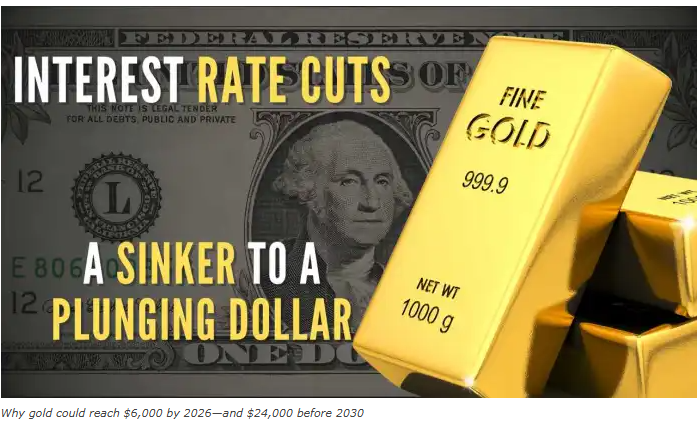
Interest Rate Cuts – A Sinker to a Plunging Dollar Interest Rate Cuts – A Sinker to a Plunging Dollar Chandrasekaran Balakrishnan September 26, 2025 Indian Economy, Public Policy, World Economy The US Dollar has been in a rapid decline since 2022, and the series of hikes initiated by Powell has merely stemmed the rate of decline rather than reversing the trend. This pattern has accelerated since Trump assumed office at the start of the year. It is in this context that we should view the 25bps cut effected by Powell with a promise of two more similar cuts to be made in the remainder of this year. Gold prices have more than doubled since January 2022 (from $1,800/oz to $3,700/oz) while DXY has declined by nearly 15% (112 to 97) in the same period. This indicates that the US Dollar is not only losing purchasing power against the market standard of gold, but also against the currencies of its trading partners. In this environment, what a rate cut(s) would do is to accelerate the decline of the Dollar – most certainly against gold but even vis-à-vis other currencies. What the cut signifies to the markets is the greater preference of the US Fed for its employment mandate over price stability (which was, incidentally, the only mandate of the US Fed when it was formed in 1913). As an aside, I should point out that in the book “RIP USD: 1971-202X …and the Way Forward”, it was explained why gold prices will touch $24,000/oz by the end of this decade. So, though the rate cuts pave the way for higher gold prices, these are merely proximate reasons within the larger context of the world reverting to some form of a gold monetary system over the next few years. Do Rate Cuts Always Lead to a Lower Dollar? On the contrary, the converse is true more often than not. Apart from the 4-year period between 2007 and 2011, interest rate movements and gold price changes are positively correlated; that is, when interest rates rise, gold prices tend to increase and vice versa. The reasons are manifold. At the outset, explaining gold prices with a single factor such as interest rates is academically a flawed proposition. We will have to consider at least 3 factors – interest rates, price inflation and Cantillon effects to explain the movements in gold prices. Without delving into a detailed discussion of the factors mentioned above, the prevailing high price inflation rates today lead to a situation where a reduction in interest rates results in increasing gold prices. So, while we are in an environment where gold prices are structurally positioned to go multiples higher from the current levels, the Fed action of cutting interest rates would be the equivalent of throwing gasoline on an inferno. What should the Fed do? Whether Bernanke acknowledges it or not, the US is in a stagflationary economic situation. The growth and employment numbers are below par, while the price inflation numbers are admittedly much higher than their targets. This is despite accepting the government numbers at face value, and we have repeatedly seen the systemic reporting bias in painting a rosier picture than is actually the case. What did the Fed do when it was previously in such a situation, i.e., a stagflation? We will have to go back to the 1970s, and as one can observe in the table above, the Fed hiked rates substantially to 20%. That begs the question – What is different in the environment back then that warranted hiking rates, while under a similar environment today, the Fed is embarking on a path of lower rates? Between the two issues – the stability of the dollar (price inflation or stable prices) and employment, the former must take precedence. There is no historical record of any country achieving prosperity by devaluing its currency. This was precisely the hard choice in the 1970s as well, and the US Fed under Paul Volcker raised interest rates high enough to quell the monetary as well as price inflationary forces and bring stability to the US Dollar. For context, the US annual price inflation has been above 2% since 2020. So why is the exact opposite monetary path being attempted today? The elephant in the room is obviously the $37 trillion National debt that is bankrupting the US Federal Government. Despite previous claims that the US Fed managed the impossible (i.e., raised interest rates without affecting employment), recent trends have exposed the flawed data basis on which the Fed had made the claims. It is only a matter of time before the GDP is also revised downwards in line with the employment data. The Economic Forecast – What does all this indicate? The only question now is “how long and how deep will the stagflation be?” Given the massive imbalances in the US Economy (multi-trillion-dollar budget deficits, trillion-dollar trade deficits, and debt-to-GDP above 125%), we should not be surprised by an economic playbook that is much worse than the 1970s. That is the best-case scenario, and in my opinion, it is not a very high-probability event. The most probable forecast would have to be a high-inflationary depression, with a possibility of hyperinflation depending on how the Fed / Trump choose to respond to the emerging situation. If they continue to prioritize temporary economic stimulus over price stability, then hyperinflation would become a probable scenario. For 2026, we should not be surprised to see gold prices in the $5,000 – $6,000 range. This is assuming none of the asset bubbles burst (the AI bubble, Housing Bubble 2.0, and the US Bond Bubble). It is pretty unlikely that the Fed can postpone the bursting of these asset bubbles, and in that case, we should witness even higher gold prices depending on the size of the QE in store. About the Author: Shanmuganathan N (aka Shan) is an Austrian/Libertarian Economist based in Chennai, India. He is the author of the recently published

Interest Rate Cuts – A Sinker to a Plunging Dollar Read More »

Is the Fed Setting Up Trump to be the Scapegoat?

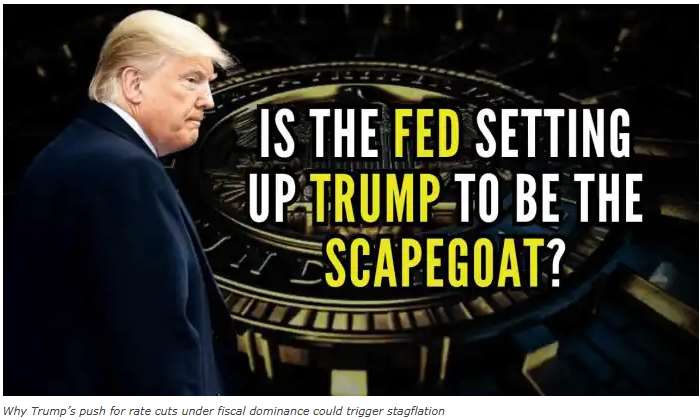
Is the Fed Setting Up Trump to be the Scapegoat? Is the Fed Setting Up Trump to be the Scapegoat? by Shanmuganathan N September 4, 2025 Indian Liberals, Public Policy, World Economy In Greek mythology, Scylla and Charybdis are two mythical sea monsters guarding a narrow strait. Navigating the sail successfully would require not getting too close to one monster while trying to avoid the other. The job of the Federal Reserve has often been compared to (mistakenly, though) the above, wherein they have to navigate the economy on its dual mandate of maximum employment and price stability. The Phillips Curve is the most standard model that depicts this supposed inverse relationship between unemployment and price inflation. Neo-Keynesian economics has broadened the interpretation of the Phillips curve from unemployment to include economic growth. So, the narrative is that if the economy is operating below potential in terms of GDP growth rate or employment, then the Federal Reserve would reduce the Fed Funds rate to stimulate the economy. If price inflation exceeds the 2% mandate, the Federal Reserve would raise the Fed Funds rate to dampen the price inflationary forces. But what happens if the growth is below par or unemployment numbers are high, AND concurrently, price inflation numbers are high? Technically, the economic scenario is called “Stagflation”. Just a year back, when Powell was quizzed about the possibilities, he quipped, “I don’t see the stag or the -flation, actually.” A short twelve months later, that is precisely the situation in front of Powell. How do the Keynesians explain “Stagflation”? They don’t; they hope that it doesn’t occur during their tenures. Paul Volcker was the last Fed Chairman who had to handle a similar situation, and even he would not want to step into the shoes of Powell today. The condition is much worse on a logarithmic scale. The solution though remains the same: dramatically hike interest rates. However, it cannot be implemented today, as it would collapse the system due to the substantial debt. But let us step back a bit and examine the entire hypothesis of this employment-price inflation tradeoff. At the outset, followers of Austrian Economics would know that this Phillips Curve and what it represents is almost as mythical as the sea monsters. It is the combination of Cantillon effects and the misrepresentation of price inflation that creates this illusion of trade-offs between employment and price stability. Examining the US price Index from the year 1800 to 1913 reveals a period of continuously falling prices. The price index was down by more than 40% by 1913, as compared to the starting year 1800. By some estimates, this fall in prices was even higher as the product basket was continuously becoming better and not even strictly comparable. Most major innovations we can think of – telephones, automobiles, airplanes, computers, mass production, modern medicine, military hardware, etc – happened during this period. The transition of the US from an erstwhile colony of the British Empire to the dominant superpower also occurred in this period. If falling prices had caused the Great Depression of 1929 to 1946, as is popularly believed, or as the Phillips curve implies, the entire 19th century (1801-1900) should have been an extended depression. Instead, what we actually witnessed was a boom of unparalleled proportions in modern history, except for what has happened in China starting in 1990 to date. How does one reconcile the Phillips Curve, and indeed, Keynesian Economics, with the above? One simply cannot. So, what does all this have to do with today? A note on the current stage, i.e., “The Oncoming Inflationary Bust,” would be in order before proceeding. The US Government has incurred unprecedented debt and liabilities since the 2008 GFC. The National debt is at $37 trillion and growing at $3+ trillion per year, while the unfunded liabilities are an additional $200+ trillion. If the Federal government were to pay its entire income towards servicing this debt (ignoring the interest part), it would take nearly 50 years to extinguish this debt. A sovereign credit rating of anything other than JUNK would be outright disregard for the fundamentals. The only way this debt is going to be resolved would be through a hyperinflationary meltdown of the economy. Barring a Milei-style presidency, that is the most probable outcome.  However, the mainstream media narrative even today is that Trump wants to lower interest rates to achieve even higher growth rates, from already what is the “best performing economy ever”. On the other hand, Powell intends to hold the rates steady to protect the purchasing power of the US Dollar. The economic truth is that both narratives are flawed. Even a 0% rate today cannot prevent a bust of the financial systems that is floating on a sea of asset bubbles – an AI bubble that dwarfs the NASDAQ 2000 bubble; a housing bubble that is far bigger than the 2008 housing bubble; and a US bond bubble that is bigger than these two bubbles combined. The bust at this point is inevitable and imminent – the timeframes would be a few months and not a few years. The current rate of 4.25% to 4.5% is way too low to contain price inflation meaningfully. The National debt is increasing at an even higher pace than before, and monetary inflation is a natural outcome, indicating that the rates are very accommodative. Why Rate Cuts are Imminent Whether Trump is aware of the above is debatable, but unquestionably, Powell understands the deep crisis the US Economy and the US Dollar face in the months ahead. The Fed even telegraphed the oncoming crisis in one of its own publications. For more than 50 months in a row, the core inflation rate – the Fed’s preferred measure – has been above the target 2%. The June 2025 number was 2.82% and under normal conditions, the US Fed would have aggressively hiked the rates. The only reason why they do not do so is “Fiscal Dominance”. What

Is the Fed Setting Up Trump to be the Scapegoat? Read More »

The Euphoria of Tamil Nadu GSDP Growth Rate!!

The Euphoria of Tamil Nadu GSDP Growth Rate!! The Euphoria of Tamil Nadu GSDP Growth Rate!! Chandrasekaran Balakrishnan September 4, 2025 Indian Economy, Public Policy, Tamilnadu Economy The regional economies in India are still largely evolving and have their own pace of sectoral growth trends. The evolution of the state economy is dependent on the pattern of institutional governance, services, and facilities deliveries, which plays a vital role for achieving the national dream of Viksit Bharath@2047. The degree of economic freedom between and within States varies across India, indicating disparity. The Gross State Domestic Product (GSDP) is an aggregate of all sectors, broadly consisting of agriculture and allied activities considered as the primary sector; manufacturing, including construction, etc., as the secondary sector; and financial services, transports, hotels, etc., as the services sector. Each sub sector has its own significance for achieving a balanced regional growth as well as intra-regional growth within a State and contributing to the national growth rate. When politicians or policymakers become passionate about achieving a year’s GSDP growth rate as the biggest achievement, leaving the growth trends and other inferences, it becomes detrimental for economic development, which accounts for a sustained and overall improvement in welfare. Further, at the regional level, some of the sub-sectors’ growth trends are undermined while focusing only on the overall GSDP growth rates, which leads to not only misinterpretations but wrong conclusions for short term political gains. It is pertinent to note that Ludwig Von Mises, a prominent figure in the Austrian School of Economic Thought, saw statistics as descriptive rather than explanatory, and he cautioned against interpreting statistical regularities for political milage. He argued that statistics deal with past events and historical facts, lacking the ability to predict future outcomes or reveal causal relationships in the realm of human action. In April, 2025 when the Union Ministry of Statistics and Programme Implementation (MoSPI) had released the state-wise GSDP data, there was a huge celebration among a section with the claim that the one-year growth rate of Tamil Nadu state (9.69% for 2024-25) was an extraordinary achievement. The truth is that one year growth rate data cannot give a true picture for a trend analysis- short run, medium run, and long run. The macroeconomic growth rate discourse in the State missed an important point that Tamil Nadu’s agriculture and allied sector witnessed in negative growth of -0.15% in 2024-25 (provisional). As per the provisional data, the average GSDP Growth rate of Tamil Nadu in the last four years (2021-22 to 2024-25) was 8.48%, which was way below the growth rates of States like Odisha (9.80%) and Maharashtra (8.99), and Karnataka (8.73%). Moreover, more than a dozen States’ provisional GSDP data were not even released for the year 2024-25 in April, 2025. Similarly, the MoSPI released the revised State-wise GSDP data on 1st August, 2025, for the financial year 2024-25. One-year GDP data is important, but it is the trend which is more important. There is another dubious claim of a 14-year break of the Tamil Nadu State GSDP! Let’s look at what the actual average trend data reveals. In the current regime of DMK rule in Tamil Nadu, the average growth rate of State GSDP for last four years (2021-22 to 2024-25) is 8.63% which is lower than states like Assam (9.05%), Bihar (9.59%), Karnataka (8.73%), Maharashtra (8.99%), Meghalaya (9.54%), and Uttara Pradesh (9.15%). It is also interesting to look at the data of the first four years’ average state GSDP growth rate of the previous DMK regime. Tamil Nadu’s economy performed far better than comparatively. The average state GDP growth rate for the first four years was 9.41% (2006-7 to 2009-10). Further, even then, States like Bihar (10.41%), Chhattisgarh (9.76%), Haryana (9.89%), etc. outperformed Tamil Nadu. It is pertinent to note that Tamil Nadu’s share of GDP at all India level over the last 7 decades increased only by 0.2% from 8.7 % in 1960-61 to 8.9% 2023-24. Maharashtra’s economic performance has remained relatively steady throughout the period (from 12.5% to 13.3%). According to recent NCAER Analysis (2025), the state of public finance of Tamil Nadu is worrisome. Debt Sustainability Analysis, a method used to assess whether a state (or country) can meet its debt obligations without resorting to excessive borrowing or facing financial instability, expects an upward and increasing trajectory, during the period from 2022-23 to 2026-27. In recent years, what Tamil Nadu missed is the following key drivers of economic growth and creation of employments opportunities, which is at par with States of Karnataka and Maharashtra. Attracting FDI: Analysis of major states’ attractions of Foreign Direct Investments (FDI) Trends of the last decade (2015-16 to 2024–25) shows Gujarat’s share increased from 6% to 11%, while Tamil Nadu’s share declined from 11% to 7%. Tamil Nadu is still lacking what Karnataka and Maharashtra have nurtured for decades, including improved infrastructure policy stability and mature industrial ecosystems across the departments and across the region/districts within the State. The latest FDI data analysis for 2024-25 reveals that among the top ten states, Maharashtra accounts for 39%, followed by Karnataka (13%) and Delhi (12%). Tamil Nadu ranks 5th with FDI inflow of Rs. 31,103 crores. Under-utilised Coastal economy: The strategic geo-economic coastal advantage of Tamil Nadu has not yet been harnessed. Mobility: In the area of mobility as a key driver of the economy, Tamil Nadu has done some concrete efforts in terms of policy for the attraction of new investments for the production of Electric Vehicles, but it has been lacking consistently over the years in terms of adoption of EVs in public transportations across the state. Sub-par urban civic amenities: Urban Population in Tamil Nadu has consistently exceeded the national estimates, and the gap between the two has widened, particularly over the past three decades. Now, Tamil Nadu has 54% of its urban population, but basic urban civic facilities are very poor across the state, without decentralisation Diversification: Tamil Nadu predominantly concentrates on some services sectors, agriculture, forestry, and

The Euphoria of Tamil Nadu GSDP Growth Rate!! Read More »

India Ranks 15th in FDI -UNCTAD Report 2025

India Ranks 15th in FDI -UNCTAD Report 2025 India Ranks 15th in FDI -UNCTAD Report 2025 Madhusudhanan S July 30, 2025 Economic Reforms, Indian Economy, Public Policy, World Economy On June 19, 2025, the World Investment Report for 2025 was released by the United Nations Conference on Trade and Development (UNCTAD), highlighting a negative outlook due to trade tensions, geopolitical issues, and economic volatility. This has led to a decline in Foreign Direct Investment (FDI) prospects, impacting GDP growth, capital formation, trade flows, financial stability, and investor confidence. Global Investment Trends The World Investment Report 2025, launched by Secretary-General Rebeca Grynspan, highlights a concerning trend where foreign direct investment (FDI) is decreasing in countries and sectors that need it the most. Productive FDI declined by 11% in 2024, marking the second year of decline. This decline is not just a temporary setback but a consistent pattern, according to Ms. Grynspan. The report revealed a significant drop in productive FDI by 11% in 2024, marking a concerning trend. The US remains a top source and destination for FDI, with Asian economies also prominent in FDI outflows.                                          Foreign Direct Investment  – Top 10 Destination Economies Rank Economies/ Countries Billions in Dollars 1 United States 279 2 Singapore 143 3 Hong Kong SAR, China 126 4 China 116 5 Luxembourg 106 6 Canada 64 7 Brazil 59 8 Australia 53 9 Egypt 47 10 United Arab Emirates 46 Source: UN Trade based  on Information from The Financial Times, fDI markets – Authour converted image to Table Key sectors like renewable energy, water, sanitation, and agrifood systems have seen declines, hindering development efforts. Investment in key sectors like renewable energy has dropped by 31%, water and sanitation by 30%, and agrifood systems by 19%. Health investment has increased by nearly 20%, but the global total is still below $15 billion. These shortfalls are hindering progress in critical areas, highlighting the need for urgent action to ensure sustainable development for all. Developing Asia attracted $605 billion in FDI in 2024 but faces challenges like declining infrastructure investment and policy uncertainty. India’s Possition in Foreign Direct Investment India ranked 15th  globally for FDI inflows in 2024, with $27.6 billion, and 4th in Greenfield project announcements with 1,080 projects unveild in 2024. The country also saw growth in international project finance deals and outward investments. India’s 97 international project finance deals placed it among the top five global economies. With $24 billion in outward foreign investment, the country climbed to 18th place globally in FDI outflows.  There was an improvement in the rankings for both India and Saudi Arabia. The US and India led in greenfield activities in sectors like semiconductors and automobiles, with new battery and electric vehicle projects announced globally. The report ends with recommendations for channeling capital to areas in need by implementing reforms in global financial systems, expanding the use of blended finance, and adopting investment regulations that promote digital and clean transitions. Conclusion The Government of India’s policies have played a key role in making the economy one of the fastest-growing in the world and a top destination for foreign direct investment (FDI). Despite global economic challenges and changing supply chains, India’s stability and investment potential remain robust. India’s consistent implementation of policies and clear vision have attracted significant FDI over the past decade, showcasing confidence in the country’s institutions, skilled workforce, and future prospects. The Author is a Research Fellow at AgaPuram Policy Research Centre.  Views expressed by the author are personal and need not reflect or represent the views of the AgaPuram Policy Research Centre. https://thebangaloremonitor.com/india-ranks-15-in-global-fdi-attraction-unctad-report-2025/

India Ranks 15th in FDI -UNCTAD Report 2025 Read More »

Moody’s Meaningless Downgrade of USA

Moody’s Meaningless Downgrade of USA Moody’s Meaningless Downgrade of USA by Shanmuganathan N June 5, 2025 Democracy and Institutions, Public Policy, World Economy Moody’s downgraded the US Government’s credit rating on May 16th from AAA to AA1, citing the uncontrolled increase in government debt over the years. Moody’s also forecasted the debt-to-GDP to rise to 134% (98% in 2024) and the annual deficits to widen to 9% (from 6.4% in 2024) by 2035 as the rationale for the downgrades. The specific numbers are not very important at this stage, and in any case, Moody’s estimates are massive underestimates even from a 2030 perspective, let alone 2035. But more importantly, the agencies are missing the “Forest For The Trees” in their analysis. If one understands the actual state of US Government finances, anything more than a JUNK rating would be an overvaluation. The only significance of the recent downgrade is that this is the first time in more than 100 years that all the major rating agencies have downgraded the top-tier credit status the US Government had hitherto enjoyed. Before the numbers, readers must understand the unique position of the US Government. It is the ONLY government in the world where the external debt can be denominated in the currency it can create out of thin air. No other government has this privilege. That said, this was essentially an “earned” privilege due to the record budget and trade surplus that the US was running under the Gold Standard for more than a century and a half before the formal Bretton Woods agreement in 1944. The US Dollar also maintained its purchasing power over the period: viewed in terms of gold prices, the US Dollar had declined in value from 1/20th an ounce of gold during 1800 to 1/35th an ounce of gold by 1971. That is about a 75% decline in purchasing power over 180 years – almost a steady-state condition in the context of what has happened after 1971. Now for some numbers used by Moody’s: The number almost always used in the context of debt is the National Debt and that is nearing $37 trillion. The US GDP in 2024 was about $29 trillion and so the debt-to-GDP is already at 127%. It is unclear why Moody’s is reporting a lower debt-to-GDP at 98%, but this is probably because of excluding specific categories of debt. It could also be the case that they are using nominal GDP and not real GDP. But as I said in the beginning the specific numbers are not relevant in the context of the US. Let us assume the debt-to-GDP is 200%. Will the US Government default under those conditions? Not in the traditional sense of the word “default” i.e. non-repayment of the US Dollars owed. The US government can always print; even if the debt-to-GDP is 1000%, it does not need to default. Greenspan summarized this best when he said “The United States can pay any debt it has because we can always print money to do that. So there is zero probability of default” So, the debt-to-GDP condition reaching 134% or even 200% does not imply a default as it would for almost any other country. Now comes the critical question – if the probability of default by the US Government is ZERO under any debt condition, and it indeed appears to be the case, as Greenspan stated, then what are these rating agencies even measuring? – It is the default mechanism available to governments in general and, more specifically, to the government that owns the world’s reserve currency, “Default Through Monetary Inflation (DMI).” DMI is a mechanism in which lenders lose not the absolute amount of the currency they lent but the vastly decreased purchasing power of the currency they receive from the borrower. For example, if the borrower had been promised $100 at the end of 5 years during a time of stable prices (i.e., price inflation is zero or close to it) and if the government ran an annualized price inflation of 20% over the subsequent 5 years, then the lender would have lost almost 60% in terms of today’s purchasing power of the currency. The readers need to understand that the mechanism of DMI is an option specifically available only to governments and not to private borrowers. In practical terms, receiving the promised quantum currency that has lost 60% of its purchasing power is the equivalent of taking a 60% hair-cut on the debt with the currency retaining its purchasing power. The latter is indeed an honest default and a preferable option. Therefore, the PRIMARY RISK rating agencies have to measure the US Government against is DMI, not the normal default mechanism that they do for other countries/companies. From the perspective of DMI, the probability of losing substantive purchasing power of US Dollars over the next few years is 100%—maybe even near 100% of the purchasing power, i.e., hyperinflation, and that is increasingly looking like a probable scenario. The Numbers – Deep Dive Though Moody’s focussed on debt-to-GDP as well as deficit %, the latter is not a very meaningful indicator and can display wide fluctuations on an annual basis. The debt-to-GDP on the other hand, is a summary of the historical deficits to date and hence reflects the pattern of US Government spending over decades. Think of debt-to-GDP as the Balance Sheet and the deficit % as the Profit and Loss statement – it will be clear why we should focus on the former from a rating perspective. As one can observe, debt-to-GDP has been on an upward trajectory since 2000, and it has gone up from 55% to over 120% today. This has happened in the context of what is seen as spectacular prosperity – booming stock markets (Dow has gone from 11,000 to 42,000 in the last 25 years) and relatively stable prices (CRB Index has gone from 150 to 360 for a CAGR of 3.5%). This 120+% continues to increase as the annual

Moody’s Meaningless Downgrade of USA Read More »

Missing Markets for Managing Stubble Burning in Punjab and Haryana

Missing Markets for Managing Stubble Burning in Punjab and Haryana Missing Markets for Managing Stubble Burning in Punjab and Haryana Naimitya Sharma June 5, 2025 Indian Economy, Public Policy, State Economies India’s quest for food security led to the development and consolidation of the rice and wheat cropping cycle in states like Punjab and Haryana. The Union government intervened in the agriculture sector to incentivise farmers with the help of Minimum Support Price (MSP) to ensure the adoption of the rice and wheat cropping cycle. Technological advancements in the form of a better variety of seeds ensured India, was able to feed its burgeoning population. Any intervention by the Government comes with associated costs over and above the direct fiscal costs. The specialisation in rice and wheat cropping pattern has led to huge environmental impacts.   In Punjab, there is an acceleration of groundwater depletion due to its greater utilisation for irrigating rice crops sown in the summer months. The government intervened again with a law forcing farmers to delay the sowing of rice. As a result, the gap between rice and wheat crop was reduced significantly. With a short window available and with increased use of combine harvesters for harvesting rice, the amount of stubble or crop residue increased and the time available to manage it reduced. The past few years have witnessed a consistent presence of air pollution in the Punjab and Haryana regions because of this stubble burning. To think about this important problem, we may utilise economic ideas of negative and positive externality. Air pollution created by stubble burning is an example of a negative externality. Economic theory predicts that there will be overproduction of activities leading to negative externality since all the costs involved are not accruing to the producers. Instead, some costs are being borne by society in the form of air pollution. As economic costs do not incorporate all social costs, stubble burning continues unabated. Conversely, Stubble management is an example of a positive externality. Economic theory predicts that there will be underproduction of activities generating positive externalities. The benefits of stopping a farm fire accrue to not just the farmer concerned but also to everyone around the farm. There are external positive benefits enjoyed by society, but these are not part of the demand for the management of stubble, therefore the overall demand is less and in effect, the production of the management of stubble is less than the ideal amount. The challenge for policymakers thus, is to balance the generation of negative externality, i.e., air pollution emerging from stubble burning, and the production of positive externality, i.e., management of crop residue to ensure governance of this market failure. To reduce the production of stubble, the Government is attempting various initiatives ranging from an outright ban on burning, to incentivise farmers to produce other crops or adopt shorter-duration seeds. To promote the management of crop residue, the government is providing subsidies on equipment to manage crop residue along with promoting productive usage of crop residue by creating supply chains and demand for upcycled products. At the end of the day, we can look at the problem of overproduction of stubble and underproduction of the management of stubble as a problem of missing markets. Intervention by the Government needs to focus on finding and nurturing these missing markets through carefully designed policies. How to find the missing markets? To find these missing markets, the first step is to identify key players and processes. These include innovators, scientists, environmentalists, entrepreneurs, concerned citizens, farmers, and communities trying to find productive uses for stubble. To understand how key players are productively using stubble we need to identify, collate, and replicate successful case studies of converting stubble into productive usage. This exercise can lead to capacity building, thereby generating and nurturing the missing markets. To demonstrate this strategy, we may observe one example of productive usage of stubble. Two young people, Arpit Dhupar and Anand Bodha of Dharaksha Eco-solutions have found an interesting use for stubble. They are using bio-fabrication to convert stubble into packaging material with the help of mushrooms. Observing this process of finding productive use of stubble reveals that there are layers of phenomenon, interplaying with each other to generate this productive usage. The social phenomenon of Arpit observing his nephew painting the sky grey, Arpit’s own lived experience of surviving in Delhi, along with traveling across North India and interacting with the farming community plays an important role in this success. The second ingredient of this process is the observation of the ecological or physical phenomenon by Arpit and his team where they identify the bio-fabrication carried out by root-like structures of Mushrooms on Stubble thereby converting stubble into a sturdier product. The interplay between these two phenomena, social need and ecological possibility generates a potentially sustainable solution for the management of stubble. When the founders of Dharaksha Eco-solutions reach a famous startup pitch competition, the repeated questioning by one of the investors leads to a further interplay, this time between economic reality and ecological possibilities. After facing questions about the monetary potential of his idea, Arpit responds by suggesting that it is possible not just to make packaging material but also alternatives of timber with the help of this bio-fabrication. This interplay led to the establishment of a more financially sustainable future pathway for Dharaksha Eco-solutions. The learning from Arpit’s journey suggests that one critical ingredient of finding the missing markets is finding opportunities for upcycling stubble by identifying productive usage. Concerned individuals will become key players if they have had meaningful social exposure to these problems, along with an understanding of ecological processes that might generate solutions. Additionally, scaling and financial sustainability require interplay with economic reality and ideas. We can focus on these observations to generate more key players and processes in the system by empowering individuals with travel and research grants to develop a deep understanding of such problems. Exposing concerned individuals to ecological and environmental education to

Missing Markets for Managing Stubble Burning in Punjab and Haryana Read More »

Tamil Nadu Lacks Institutional Mechanisms to Promote Holistic Tourism

Tamil Nadu Lacks Institutional Mechanisms to Promote Holistic Tourism B Chandrasekaran Tamil Nadu Lacks Institutional Mechanisms to Promote Holistic Tourism B Chandrasekaran Chandrasekaran Balakrishnan June 5, 2025 Cultural Economics, Public Policy, Tamilnadu Economy Tourism plays a crucial role in the economy, contributing 6.23% to the national GDP and providing 8.78% of total employment. For Tamil Nadu, 8% of its GDP comes from the tourism sector and the State aims to increase it to 12% by 2030. In 2019, Tamil Nadu had 49.5 crore domestic tourist arrivals and 0.69 crore foreign tourist arrivals. Between 2013 and 2019, Tamil Nadu was the most visited State by domestic tourists garnering 22.1% of total domestic tourists in India. However, this trend declined significantly in 2020 and 2021 due to the pandemic and continues with the trend. The overall experiences experience of any tourist to the State is a disappointing given the kind of state’s industrialisation and urbanisation achievements. Despite several new steps taken in recent times to promote the tourism sector by the government, the state’s tourism infrastructure continues to be substandard with a lack of integrated mobility; lack of basic civic facilities like water, hygiene and sanitation; lack of adequate safety and security facilities etc. This reflects lapses in holistically developing the sector. In 2003, the Union Ministry of Tourism and Culture released a study titled “20 Years Perspective Tourism Plan for the State of Tamil Nadu” to promote holistic tourism in Tamil Nadu. The study stated that “Tamil Nadu is a magical blend of timeless traditions and colourful festivals – a seat of cultural heritage.” It also stated, “Tamil Nadu, with its picturesque hills, beaches, waterfalls, wildlife sanctuaries, temples, ancient monuments, places of worship for all faiths and centres of art and culture has a lot to offer to the domestic and international tourists”. The following findings were highlighted in the study, which are still relevant as far as the challenges faced by the tourism sector of the State are concerned: Inadequate infrastructure like roads, water, electricity, and transport at some tourist destinations, and increasing pollution arising out of tourism. The bottlenecks at the state level have been identified as lack of accommodation (51%), water supply and sanitation (46%), poor connectivity (43%), power supply (37%), lack of life garbage disposal (30%), lack of travel booking (16%), and insecurity (8.3%). Hence, the average spending by a foreign and domestic tourist is less in Tamil Nadu as compared to some other northern states. There is an absence of heritage hotels, paying guest accommodations, and dormitories at pilgrim destinations. It is estimated that 1.2 international tourist visits provide employment to one person, whereas 17 domestic tourists generate employment for one person. Hence, the employment multiplier is 1.358”. It is estimated that Rs.10.00 lakh invested in tourism created 47.5 jobs against 44.7 in agriculture and 12.6 in manufacturing… In respect of the hotel industry, an investment of Rs.10.00 lakh will give direct employment for 12 persons and five rooms in a five-star hotel at an average gives direct employment to eight persons.”  The study recommended the following measures to develop holistic tourism in Tamil Nadu: Tamil Nadu has a long sea coast (ECR) which can be used to connect places on the East coast and provide added attraction for tourists. Possibilities of inland cruise service on the river/ canals are also suggested to be explored. Tourism plays an important role in the socio-economic development of any country. It is one of the major sources earning foreign exchange. Tourism promotion also generates employment in urban as well as rural areas that may arrest the large scale migration of rural mass to urban centres and in turn help avoid formation of more slums. Tourism can yield positive results provided it satisfies the requirements of sustainable eco-development and is managed scientifically and gainfully. Local people should be made to participate in planning and development of tourism so that they can bring new ideas, support and influence the decisions, and in turn be a part of it. Develop training content and capability to strengthen passenger services at transport interchanges (bus, railway, ferry, ship and air plane terminals); Promote the application of universal design principles to improve the accessibility of tourism sites, especially cultural, heritage and pilgrimage sites. To develop in tandem with allied departments like HR and CE, Transport, Rural Development, Municipal Administration, Water Supply, Department of Art and Culture, NGOs involved in tourism and cultural activities;” Tamil Nadu has just 2 cruises at present, despite having 13% of India’s total coastline. Tourism is highly labour-intensive, but the employment generation has decline in tourism sector in the state recently. Some reasons for the failure are: The statutory powers and other delivery systems to support tourism development (infrastructure development), are vested with various government departments/ agencies which operate in silos with hardly any coordination. Tamil Nadu Tourism Development Corporation (TTDC), incorporated in 1971, has not developed adequate institutional facilities and services for the tourism sector to cater to the demands of inbound domestic and foreign tourists. It has 51 hotels with 852 rooms, which is not adequate. The Institute of Hotel Management, Catering Technology & Applied Nutrition in Chennai and The State Institute of Hotel Management & Catering Technology in Tiruchirappalli are still not adequately equipped with state-of-the-art infrastructure facilities for training skilled manpower for the tourism sector of the state, resulting in failure to produce enough semi-skilled or skilled tourist guides with proficiency in different regions of India and international languages. As the State aims to achieve a one trillion-dollar economy in 2030, tourism presents a significant opportunity for growth. The State’s Tourism Policy 2023 aims to attract new investments of Rs. 20,000 crores and achieve employment generation of 25 lakhs by 2028. It also aims to achieve a tourism sector contribution of 12% of the GSDP share in the state economy. It envisions to develop all the tourism destinations through Tamil Nadu Integrated Tourism Promotion Project (TNITPP). It also announced Focus Tourism Destinations (FTDs) and Focus Tourism Corridors

Tamil Nadu Lacks Institutional Mechanisms to Promote Holistic Tourism Read More »